Nothando Zondo, [email protected]
VILLAGERS in Luvuna, Umzingwane District are beginning to reap the benefits of improved access to water from the Mtshabezi pipeline, with the establishment of six Village Business Units (VBUs) helping to transform household agriculture and livelihoods.
For more than two decades, the Mtshabezi-Bulawayo pipeline passed through communities such as Luvuna, Bezha, Ntshene and Mlomoliwoto without some of the villages along its route directly benefiting from the water.
The situation prompted a petition in June 2024 by Ward 6 Coordinator Mr Gift Dube to Umzingwane legislator and Deputy Minister of Defence, Brigadier-General (Retired) Levi Mayihlome, calling for communities along the pipeline to be allowed access to the resource.
The intervention has since contributed to the establishment of Luvuna VBU, complementing existing units at Bezha Gobeni and Bezha Nyololo in Ward 12, as well as Ntshene and Mlomoliwoto in Ward 6.
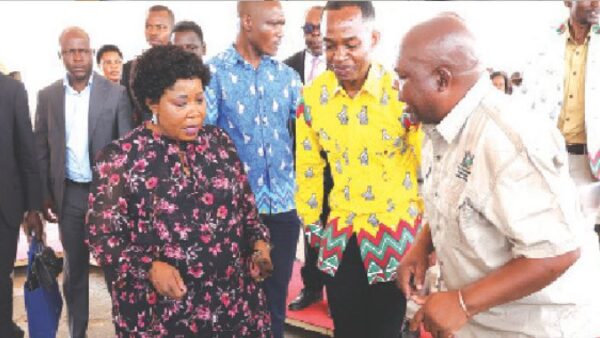
The impact of the initiative was showcased during the inaugural Luvuna Presidential VBU Field Day held at the Luvuna Nutritional Garden at the end of October, where farmers exhibited tomatoes, onions and cabbages grown using water from the pipeline.
The development is part of broader efforts to strengthen food security, improve nutrition and create income-generating opportunities in rural communities, particularly in drought-prone areas of Matabeleland South.
A typical VBU comprises a solar-powered borehole, a 10 000-litre water tank, four community gardens, a fish pond and a livestock drinking trough. The model is designed to support diversified agricultural activities while enabling communities to produce food and generate income throughout the year.
Across districts such as Umzingwane, Beitbridge, Gwanda and Insiza, the units are providing opportunities for villagers, particularly women and young people, to engage in horticulture and livestock production.
Farmers can consume part of their produce while selling the surplus to generate income for household needs, including school fees.
A 68-year-old Luvuna villager, Gogo MaNdlovu, said access to water had brought relief to a community that had watched the pipeline pass through its area for years without directly benefiting.
“For more than 20 years we watched water go to Bulawayo. We would wave at the pipes. Today my grandchildren eat from that same water. We are grateful that our community can finally benefit,” she said.
Mr Dube said the development demonstrated the importance of community engagement in ensuring that local people benefited from infrastructure passing through their areas.
“This is not my achievement. This is the fulfilment of Government policy to ensure no one and no place is left behind. The water was always ours, we just needed the intervention to open the valve,” he said.
Villagers have called for the expansion of the initiative to other communities along the pipeline, saying the model could help address persistent water challenges, food insecurity and rural poverty.
The Presidential VBU programme is part of Government’s broader drive to strengthen rural livelihoods through sustainable agricultural production and entrepreneurship.
In recent years, Government and its partners have mobilised resources to cushion communities against the effects of drought, particularly in semi-arid areas such as Beitbridge, where changing rainfall patterns have affected rain-fed agriculture.
The VBU model seeks to move rural households beyond subsistence production by supporting them to grow produce for consumption and commercial markets.