dyton mupawaenda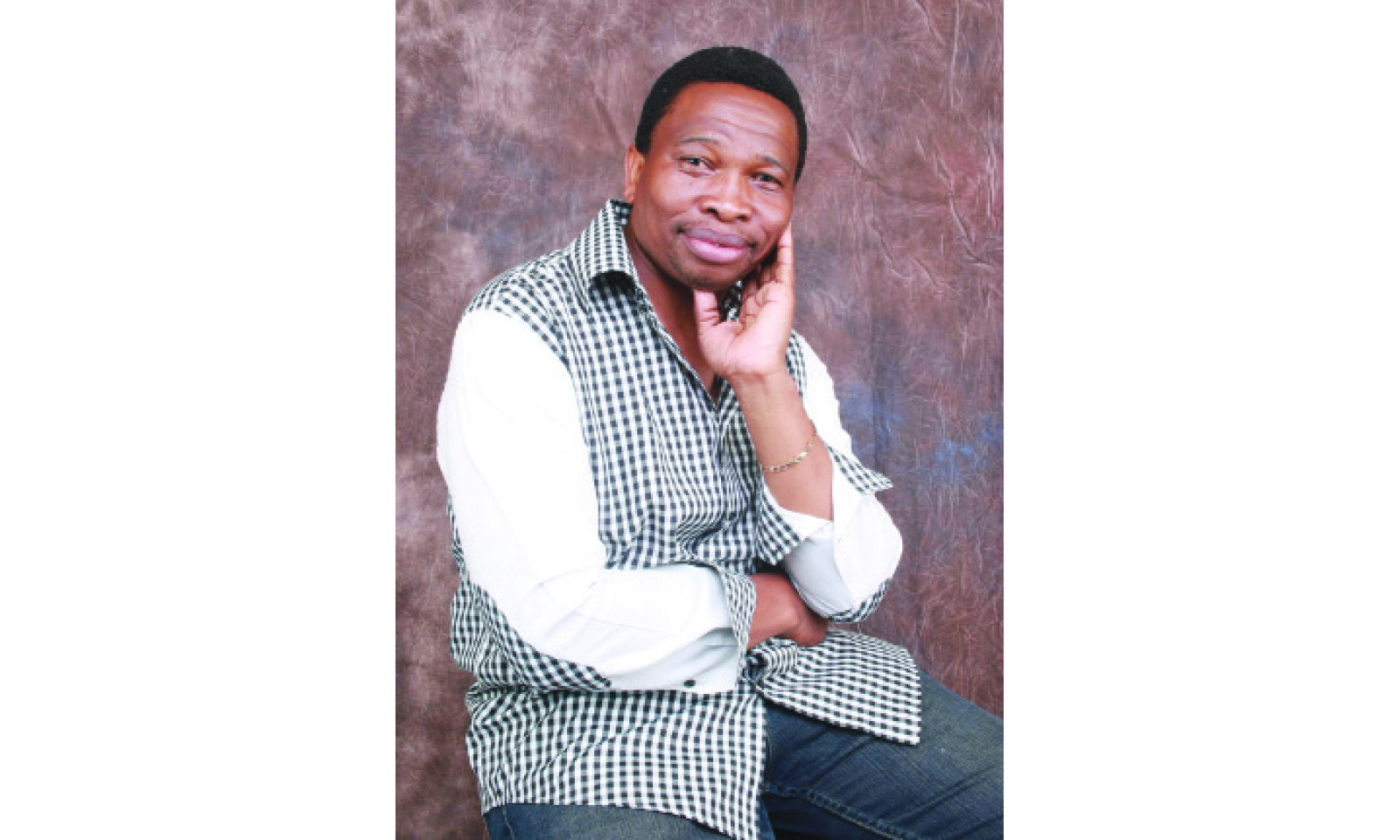
Trust Khosa-Zimpapers Arts and Entertainment Hub
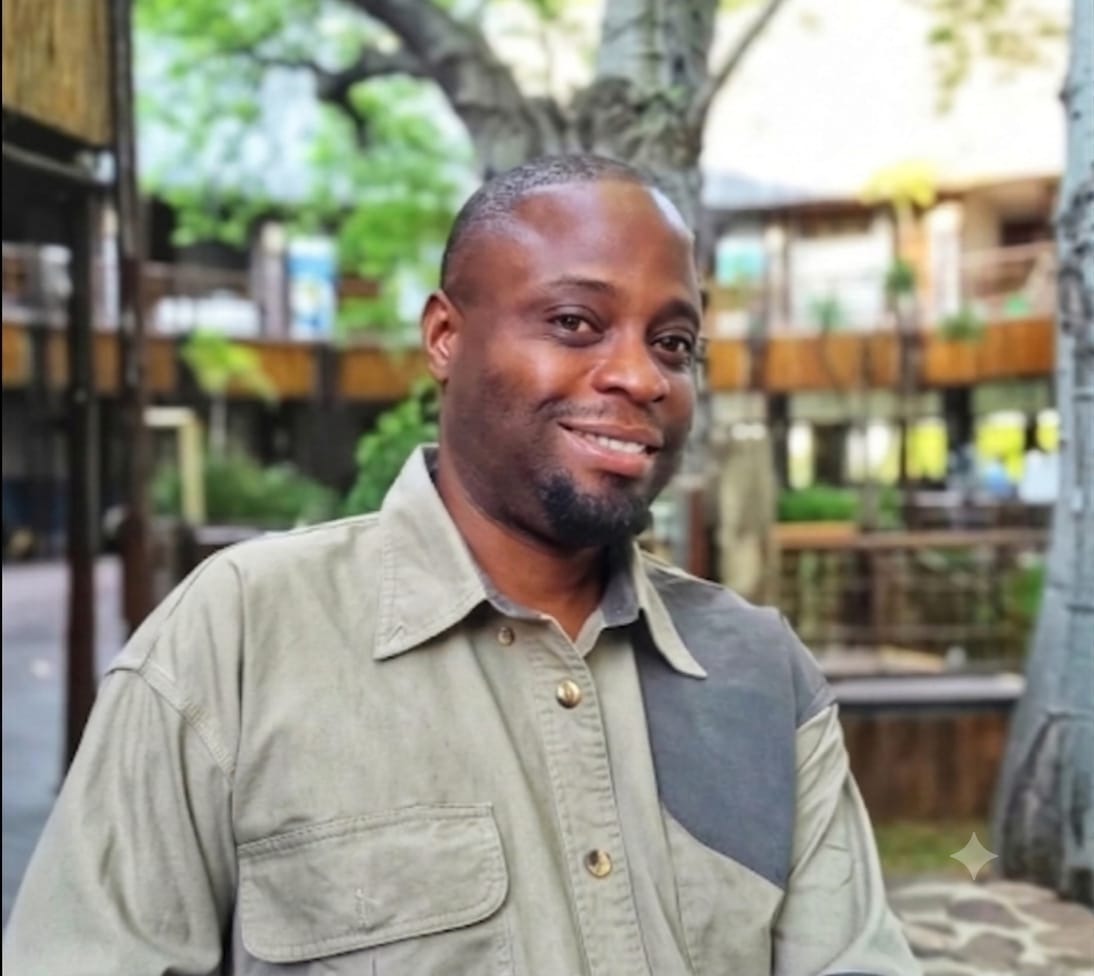
MBAQANGA and Afro-jazz exponent Lwazi Tshabangu has expressed gratitude for the opportunity he got to work with US-based living legend Lovemore “Majaivana” Tshuma during the final months of his musical career.
The 54-year-old crooner, dancer and pianist emphasised that he drew invaluable lessons in humility and discipline from his former mentor.
However, Tshabangu reflected on the unfortunate turn of events following Majaivana’s departure overseas; he quit music shortly thereafter.
As Zimbabwe prepares to celebrate its 45th anniversary of independence, Tshabangu insists he was fortunate to have such a legendary figure as his boss, particularly the iconic “Isono Sami ” hit-maker. “Growing up in Bulawayo, Majaivana was every child’s role model, and we all recognised his contributions to the industry,” Tshabangu noted.
“I had the privilege of working with him in his last years before he left Zimbabwe to settle abroad. It was a bitter-sweet experience because I was collaborating with the best at a formative stage in my career.
“I had no choice but to move on and forge my own path, but he is the one who truly ‘ordained’ me,” he shared.
Narrating how he met Majaivana, Tshabangu revealed it was by God’s grace and favour. “I met him before he left Zimbabwe when he was looking for a backing vocalist through Albert Nyathi. We performed for some months, and that stint changed my understanding of music.
‘He never carried the legendary status with him but always made us feel at home, and he earned our respect,” stressed Tshabangu.
The only “disappointment” he had after his short stint with Majaivana was failing to record with him.
“I would have loved to record one of the songs with him before he left us, but it was too late. The man simply left for the US and seemed to have lost interest in music, which meant that we had to try other avenues.
“It was as if I had lost a big brother because I used to look up to him for advice and everything,” he stressed.
When asked if he is still in touch with the living legend, he explained, “I have never heard from him, and we last spoke when he left over 20 years ago.
“He might be away, but he still remains my hero, and such heroes should be cherished for shaping the Zimbabwean music landscape.”
Tshabangu, who has been playing some of Majaivana’s cover songs that include “Isono Sami,” “Umoya,” “Angila Mali,” and “Emagumeni” during live shows with finesse, feels close to his mentor each time he belts out such tracks. “He used to sing powerful music, and we are also performing his covers with the protection of collection societies that receive payments from venue owners.
“I also have my own music, which my real fans like and enjoy each time we play them. I have been doing a lot in the music sector as an instrumentalist, producer, and events manager, including curating national musical galas in the early 2000s,” he explained.
On his personal development and life after Majaivana, he expressed confidence, stating, “Like I said earlier, I have since moved on, and I have a couple of recordings even though I don’t have numerous albums.
“ My genre is a bit special, and I am convinced that the two albums I have are okay.”
“I first recorded my album named ‘Kumnyama’ in 2001 and my second project ‘Ithuba Lami’ – ‘It’s My Time’ in 2005, which was nominated for ZIMA awards. I have a couple of recordings that I am doing, and I am confident that they will be embraced by many people out there,” he explained.
As one of the seasoned musicians on the Mbaqanga scene, Tshabangu has been holding a series of hotel gigs and private functions with his group.
“I have been performing two Fridays of each month at Cresta Jameson in Harare, and I am hoping to make it my home ground with more slots.
“I still work with the team that has been backing me for years, which shows they understand my vision. As a musician, I play drums and keyboards, while on lead guitar, I have Thomas Chibwe, who joined me in 2005, making him the longest-serving member. On the bass guitar, I have Evans Fifteen, who joined in 2006, while Calton plays keyboard since 2023. My drummer is Tapiwa Chisvo, who I met in 2005 as a session musician, but for the past five years, we’ve been together, and he’s working on his solo project,” stressed Tshabangu.
The father of two also paid tribute to loyal Mbaqanga and jazz fans who frequent his shows. He also saluted those who request Majaivana’s songs during his live shows for respecting the legend.
“It’s always encouraging when people attend your shows and leave satisfied. As for those requesting most of Majaivana’s songs and other tracks from yesteryear stars, it all shows…”
Born and bred in Bulawayo, Tshabangu took inspiration from Majaivana, who started his career in the City of Kings and struck gold in Harare.
The only difference is that Majaivana has relocated to the US, while Tshabangu is still in Harare, which has become his favourite hunting ground.
The former Milton High School student in Bulawayo is one of the seasoned stars who learned from the best.
With Zimbabwe set to mark its 45th Uhuru celebrations, people of Tshabangu’s calibre can provide insights into some of the yesteryear legends.
Majaivana was in the same elite league as Thomas Mapfumo, the late Oliver Mtukudzi, Marshall Munhumumwe, Bhundu Boys, and many others who shaped the local showbiz landscape since 1980.



 Online Reporter