Online Reporter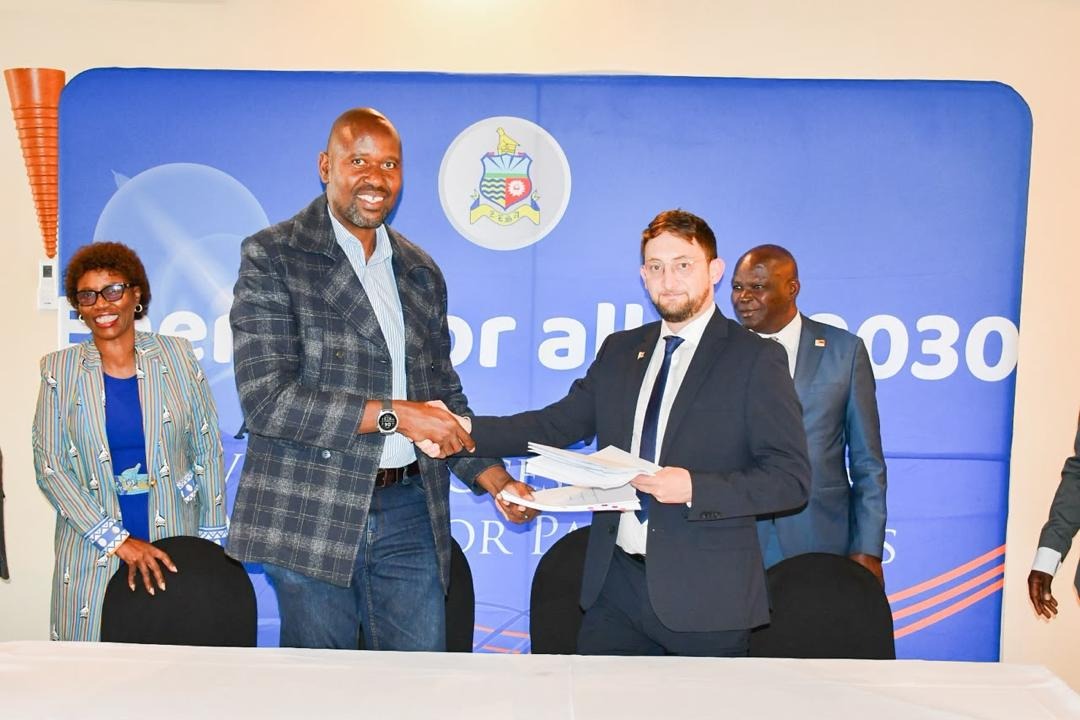
Judith Phiri [email protected]
IN a major milestone for Zimbabwe’s renewable energy transition, the Zimbabwe Electricity Transmission and Distribution Company (ZETDC) has signed an Escrow and Security Agreement with Munyati Evergreen Energy.
The strategic agreement, signed on the sidelines of the recent 8th Meeting of the International Solar Alliance (ISA) Regional Committee in Victoria Falls, securitises and ring-fences project revenues to guarantee ZETDC’s off-take obligations for the upcoming 100-megawatt (MW) Munyati Solar Power Plant.
Once operational, the facility will become the largest solar power generation project in the country to date.
The high-level ceremony was witnessed by key Government officials and energy sector leadership, including the Minister of Energy and Power Development, July Moyo, the Permanent Secretary in the Ministry, Dr Gloria Magombo, along with leadership from the Zimbabwe Energy Regulatory Authority (ZERA), ZESA Holdings.
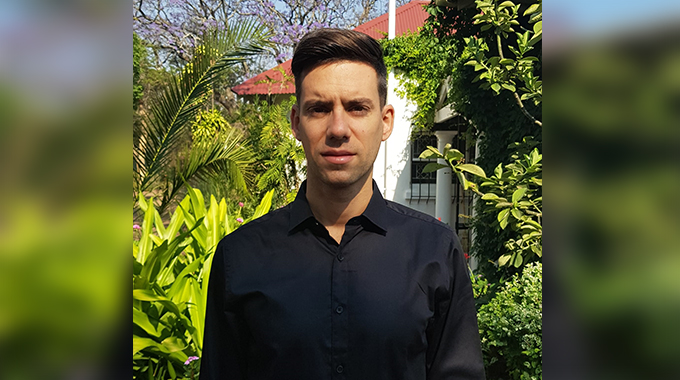
Speaking during the ceremony, Munyati Evergreen Energy chief executive officer, Jordan Maze, expressed gratitude to the Ministry of Energy and Power Development and key Government stakeholders, commending their collective dedication to reaching this financial and operational landmark.
ZETDC Acting Managing Director, Engineer Howard Choga, emphasised the strategic importance of the project, highlighting that the utility looks forward to swift implementation as Zimbabwe embarks on its largest solar undertaking yet.
By securing revenue streams and establishing robust financial ring-fencing, the agreement bridges critical bankability gaps for large-scale utility infrastructure.
The project underscores a shared commitment between the public and private sectors to bolster
Zimbabwe’s national grid, enhance energy security, and accelerate the transition toward clean, sustainable energy.
Meanwhile, responding to the media during a Press briefing at the same event, Minister Moyo said rural electrification in the country was also gaining momentum.
“Our population is around 16 million and if you say our average household is about 4,5 people per household, that should give you a rural population or households of around 3 million plus or minus,” he said.
“What President Mnangagwa did say in his speech is that we have a Presidential Solarisation Scheme, where we want to solarise 1,2 million households using the Presidential Scheme, which is funded through fiscal and other sources of revenue. We have a rural electrification fund, which is assisting our rural electrification agents.”
The minister said this gets six percent of every commercial usable electricity in the country and when calculated, the six percent of what is being used in terms of electricity goes for rural electrification.
Minister Moyo said there was another programme where they were working with United Nations (UN) agencies targeting schools and clinics, among others, extending the grid or the off-grid solarisation taking place in the rural areas.
“So, our target in our energy compact is that by 2030 we want to have universal access.
“We have invited the private sector to say they can become the mini-sensor in communities or in clusters, both urban and rural, and this is taking place, and we have put these special instruments that will support that,” he added.
“So, the enabling environment through our rural electrification agency and our regulatory authority, where we have come up with seven special instruments that invite the private sector, as well as allowing individuals to solarise is taking place.”