

 Online Reporter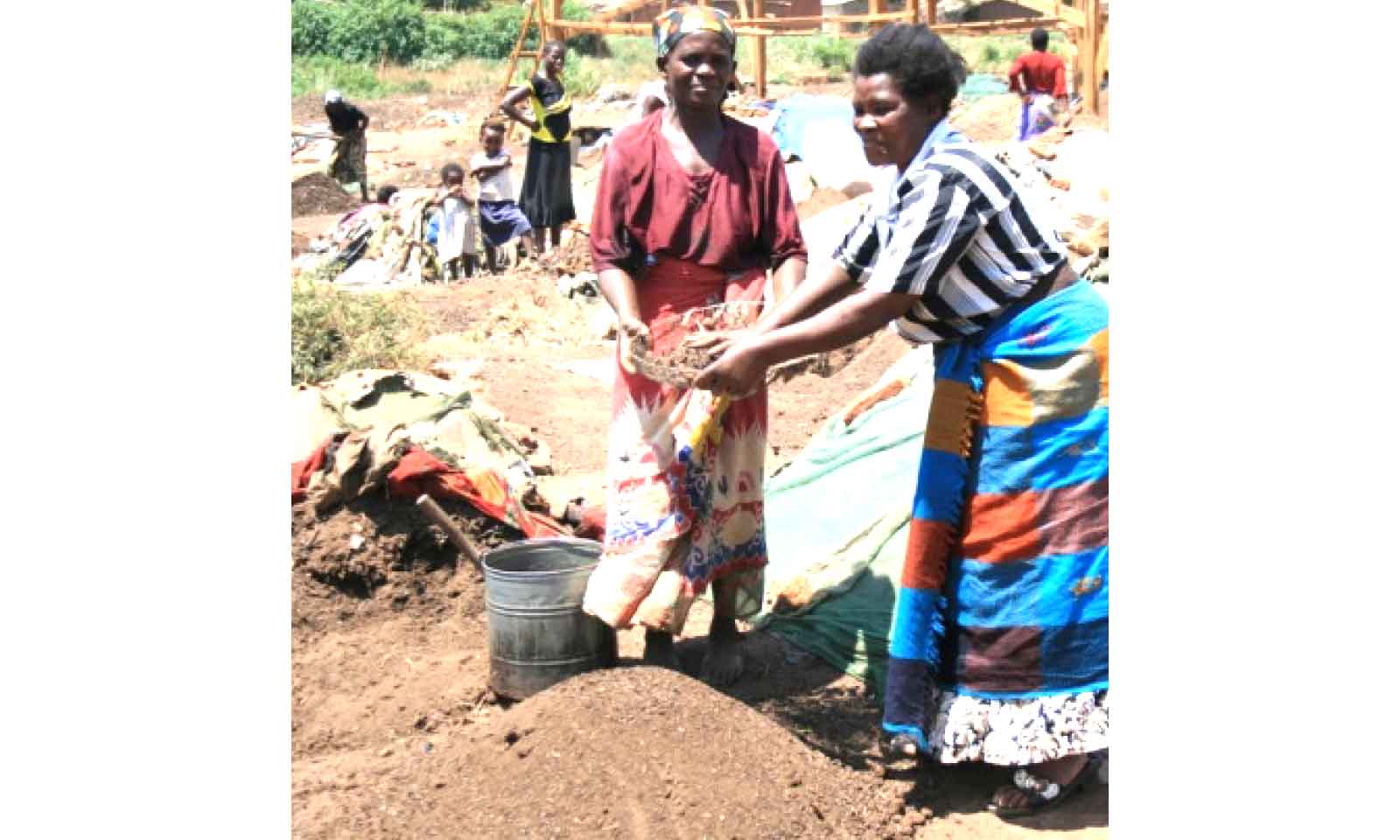
A project is helping slum-dwellers in Malawi’s capital turn trash into cash. “From Pollutants to Cash: Urban Poor Women Turning Waste into Wealth” trains people to become rubbish entrepreneurs, transforming waste into wealth through composting. The initiative reduces pollution in poor communities while providing new opportunities for people from disadvantaged backgrounds.
Fast facts:
263 waste entrepreneurs trained
20 000 households benefitted
20 tonnes of waste processed per settlement
The problem
Local government in Malawi’s capital Lilongwe hasn’t established adequate waste collection for informal settlements. Households in poor neighbourhoods dispose of garbage in drains and streams, or burn it along the roadside. This has created a growing rubbish problem, which is polluting nearby water sources. As unmanaged organic waste rots, it emits large amounts of greenhouse gases like methane.
The solution
“Pollutants to Cash” trains women to make compost that they can then sell. These “waste entrepreneurs” collect garbage from Lilongwe’s slums, sorting it and processing organic material into compost. These small business people are connected to a landscaping company, which buys the waste that has been recycled into fertile soil. Those processing the trash are largely uneducated or widows, or older people caring for their grandchildren after their children died of AIDS.
Helping the planet
The programme has reduced trash in Lilongwe’s slums, creating a cleaner urban environment and helping preserve the city’s water sources. Greenhouse gases such as methane are prevented due to better handling of solid waste, and compost deposits from landscaping improves the earth.
Helping people
Turning trash to cash enables poor slum-dwellers to make a living. And a decent one at that – each person involved in the project is able to produce about 3 tonnes of compost per month that sells for $80 to $90, an above-average income for Malawi. This is money they can use to improve their homes or help their children get an education. Residents of informal communities are also able to enjoy a cleaner, more pleasant urban environment.
Spillover effect
Plans are already in place to scale the project up, mainly by adding value to the compost product. One of the weaknesses identified was a lack of markets for the compost–an option for adding value would be for the women to sprout tree seedlings in tubes holding compost, which they can then sell. Another possible approach is for women to start vegetable gardens with the compost, then sell 100 per cent organic produce in their communities and at supermarkets.
Women from a neighbouring district travelled nearly 300 kilometres to learn about the project and possibly embark on their own after having read a newspaper story about it. Such spontaneous growth reflects the project’s potential. — UNfcc



