Online Reporter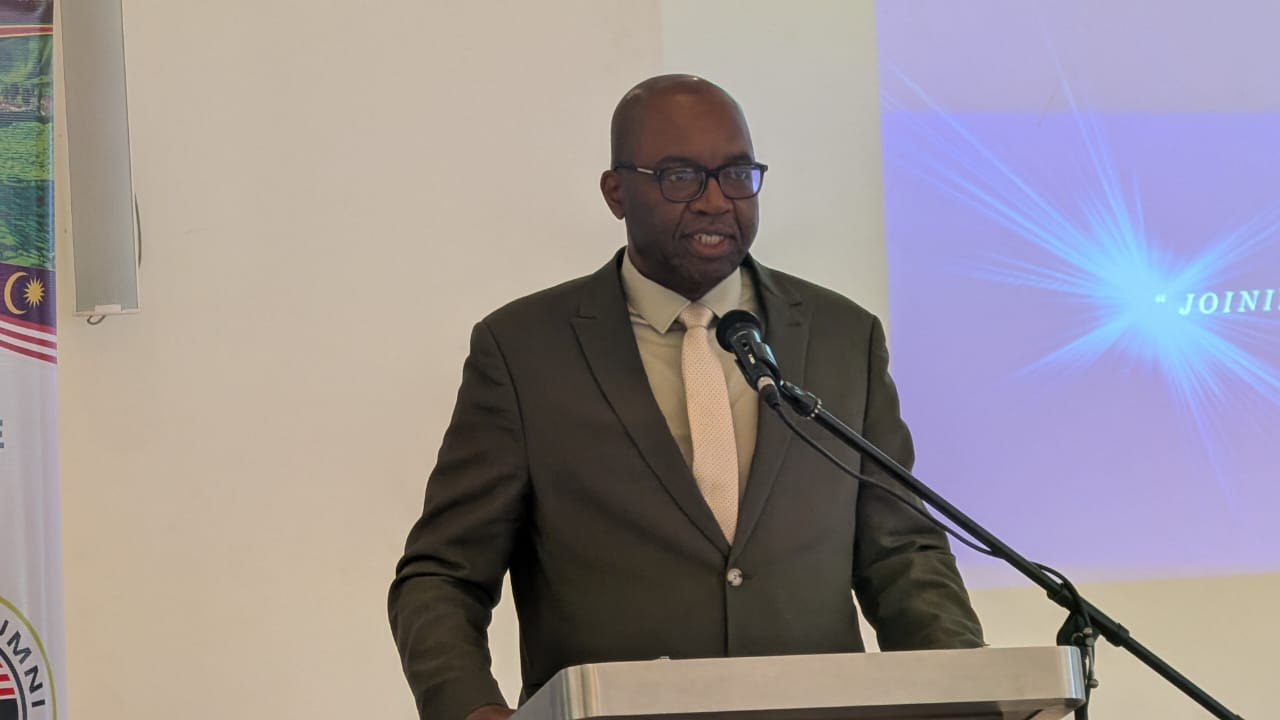
Ivan Zhakata
Herald Correspondent
ZIMBABWE has hailed the Malaysian Technical Cooperation Programme (MTCP) for strengthening human capital development and deepening bilateral relations between Harare and Kuala Lumpur, with over 400 Zimbabweans having benefited from specialised training under the initiative.
Speaking at the recent MTCP alumni reception in Harare, the Director responsible for Africa, Asia and the Pacific in the Ministry of Foreign Affairs and International Trade, Mr Spencer Dube, said the programme has played a critical role in equipping Zimbabwean professionals with skills necessary to drive national development.
Mr Dube expressed appreciation to the Government of Malaysia for its continued support towards capacity building and human resource development in Zimbabwe and other developing nations.
“We sincerely appreciate the Government of Malaysia for its unwavering commitment to capacity building and human resource development among developing nations and Zimbabwe in particular,” he said.
Mr Dube said Zimbabwe valued its long-standing relations with Malaysia, which continue to flourish under successive administrations from former Malaysian Prime Minister Mahathir Mohamad to current Prime Minister Anwar Ibrahim.
He said relations between the two countries have expanded across various sectors, including trade, diplomacy, agriculture, finance, investment, education, mining and tourism.
Mr Dube said the MTCP aligns with Zimbabwe’s national development agenda and the Ministry of Foreign Affairs and International Trade’s strategic plan, which prioritises cooperation in education, science, technology and innovation.
“The MTCP initiative has continuously empowered professionals across Africa, including Zimbabwe, by equipping them with critical skills, knowledge and exposure necessary to drive national development,” he said.
Mr Dube said alumni from institutions such as the Zimbabwe Investment and Development Agency (ZIDA) and the Zimbabwe Revenue Authority (Zimra) were already making meaningful contributions in their respective sectors after undergoing training in Malaysia.
He described the programme as a shining example of South-South cooperation and said Malaysia has successfully transformed its economy from an agriculture-based system into a competitive manufacturing and services hub.
“To date, some 400 Zimbabweans from both the public and private sectors have been trained under this programme,” said Mr Dube.
The beneficiaries, he added, have received training in areas including public governance, civil aviation, defence, education, banking and finance.
Mr Dube said Zimbabwe was now firmly focused on attaining Vision 2030 and transforming into an upper-middle-income economy through industrialisation, innovation and modernisation.
He said there was need for increased cooperation in skills development in sectors such as engineering, renewable energy, agricultural technology, artificial intelligence and data science.
“We believe there is scope for more of our people to train in skills-related subjects linked to engineering, renewable energy, agri-tech, data science and other emerging fields critical for our industrial future,” Mr Dube said.
He also highlighted Zimbabwe’s Heritage-Based Education 5.0 philosophy, which seeks to harness science, technology and innovation to solve local challenges while promoting national heritage and competitiveness.