Online Reporter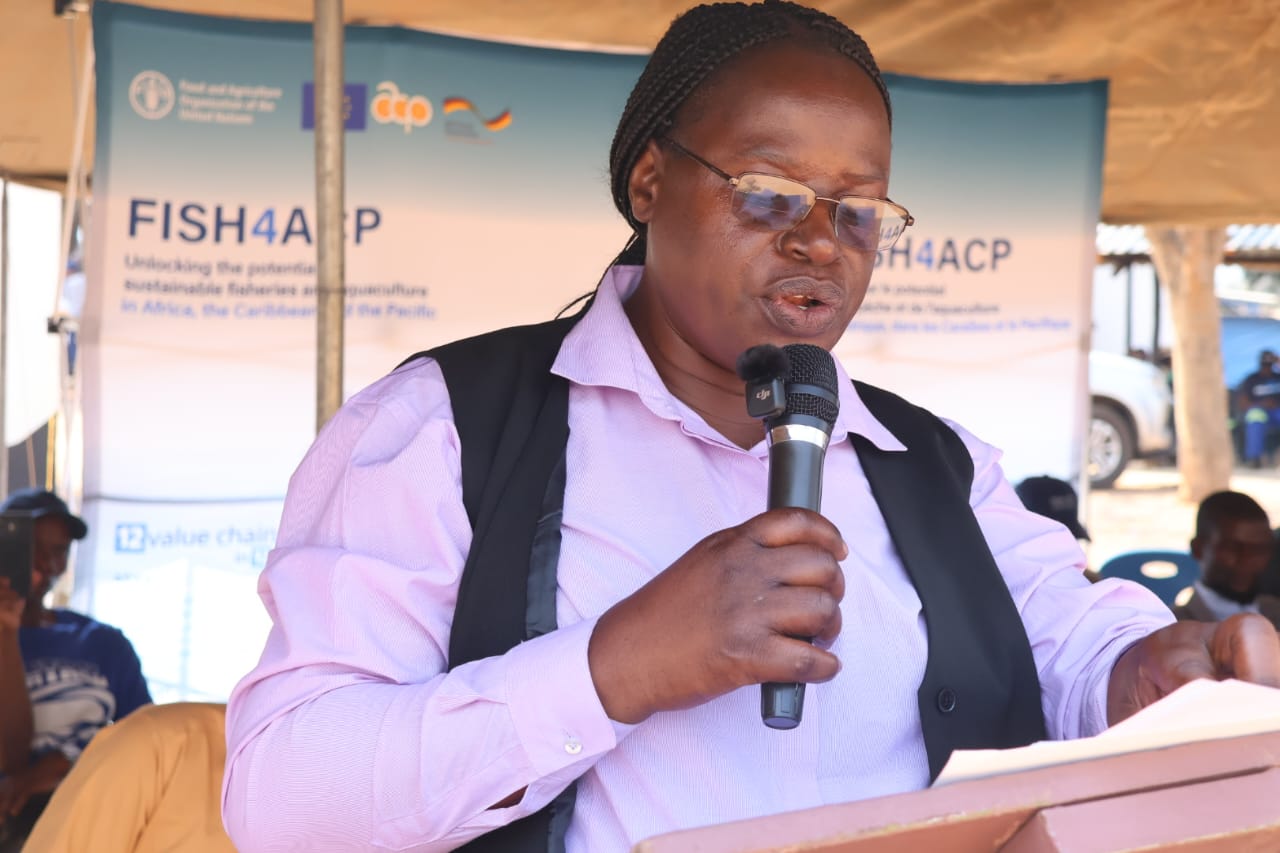
Theseus Mauruki Shambare in MASVINGO
MASVINGO Province is turning to fisheries and aquaculture as key pillars of agricultural development as recurring El Niño-induced droughts threaten traditional rain-fed agriculture, provincial authorities have said.
Representing Masvingo Provincial Affairs and Devolution Minister Ezra Chadzamira, Acting Permanent Secretary Rosemary Chingwe said aquaculture was becoming critical to food and nutrition security while providing rural households with alternative sources of income.
“With recurring El Niño predictions threatening traditional rain-fed agriculture, fisheries and aquaculture have become critical pillars in our agricultural systems,” she said.
“They offer a reliable shield against climate shocks, ensuring food and nutrition security while substantially enhancing household-level incomes.”
Chingwe was speaking during a project implementation assessment tour by the European union delegation to provinces where the FISH4ACP programme was rolled out.
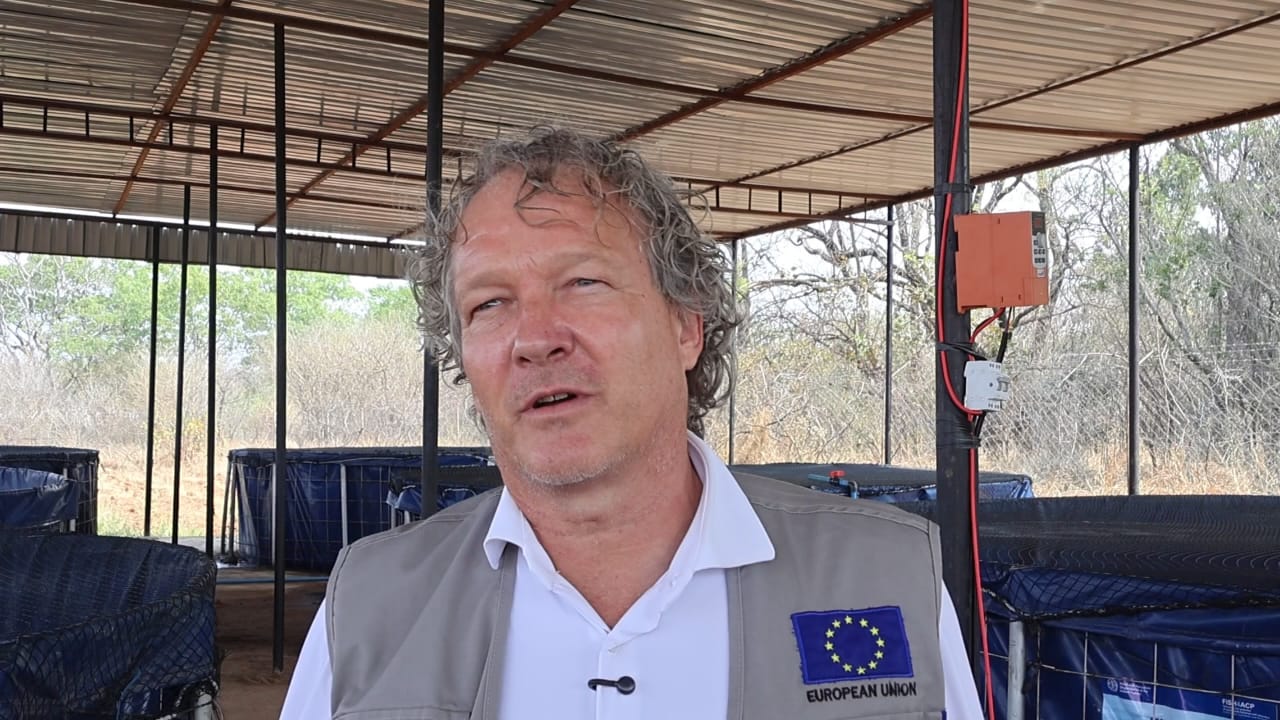
The tour included a visit to the Maponga Fish Hub in Masvingo, where provincial authorities highlighted the growth of aquaculture, with 3 854 active farmers, 6184 functional fish ponds and 51 aquaculture clusters.
Fourteen dams have also been stocked to boost communal fisheries, while 21 cooperatives have been established to promote collective bargaining and value addition.
Since the programme’s inception, 315 624 fingerlings have been stocked across the province.
Chingwe said the developments were part of efforts to support Masvingo’s ambition of achieving a US$8 billion economy by 2030, with agriculture expected to anchor agro-processing and broader economic growth.
Representing FAO Sub-Regional Coordinator for Southern Africa and Country Representative in Zimbabwe Dr Patrice Talla Takoukam, Assistant Representative-Programmes Tendai Munyokoveri said aquaculture was providing an important livelihood diversification opportunity as climate shocks intensified.
“Aquaculture provides households with an alternative source of income when crop production is affected by drought and changing climatic conditions,” she said.
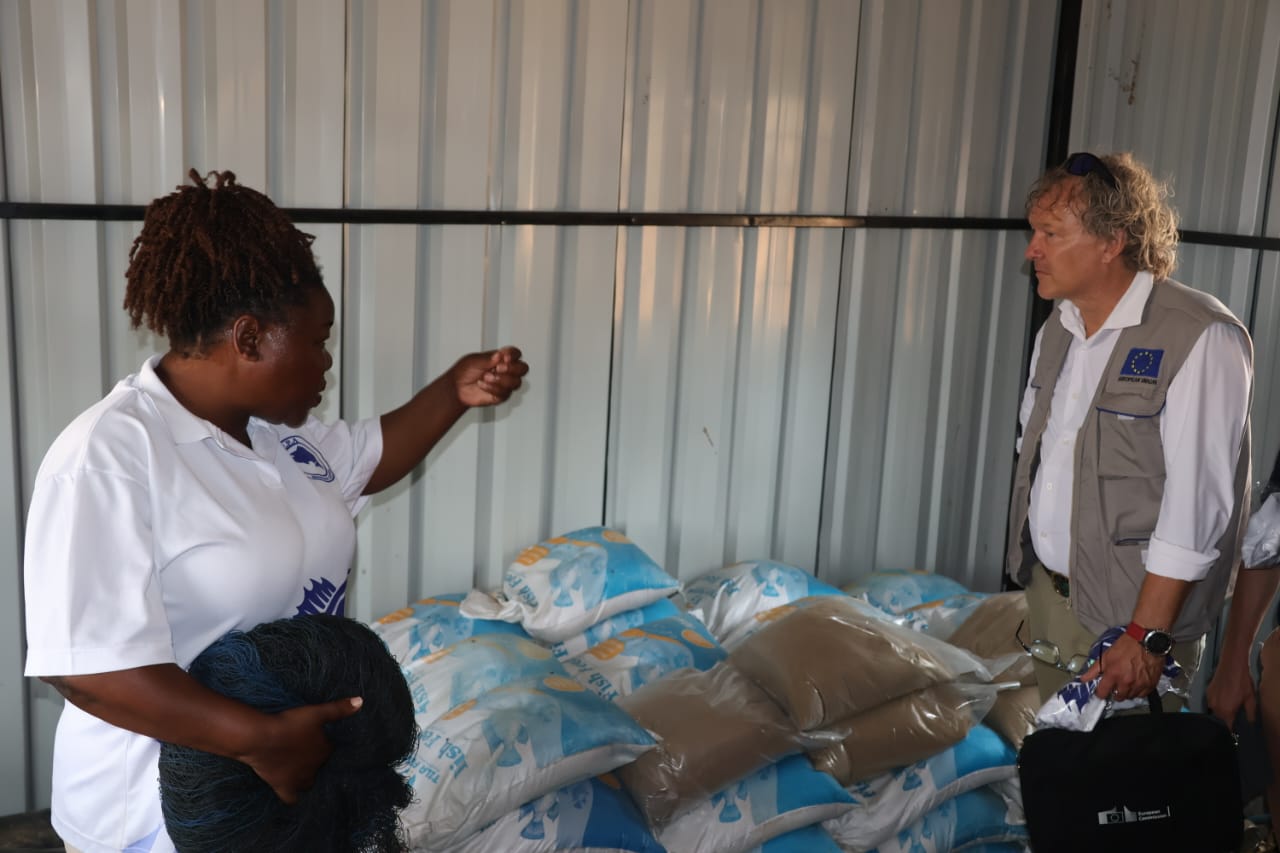
Munyokoveri said the Maponga Fingerling Hub was helping address one of the major constraints to aquaculture growth — access to quality fingerlings.
“By increasing the availability of quality fingerlings, this hub is helping farmers expand production, improve profitability, and build sustainable enterprises that can support their families for years to come,” she said.
Representing EU Head of Cooperation Anna Cichocka, Agriculture, Environment, Private Sector and Trade Engineer Martin Andersen said the investment was demonstrating the practical impact of development funding.
“It is quite impressive to see how some of the investment coming from FISH4ACP has actually transformed, in the last couple of years, into this kind of hatchery,” Andersen said.
He said the facility was bringing critical inputs closer to farmers, reducing the costs associated with travelling long distances to obtain fingerlings and other aquaculture inputs.
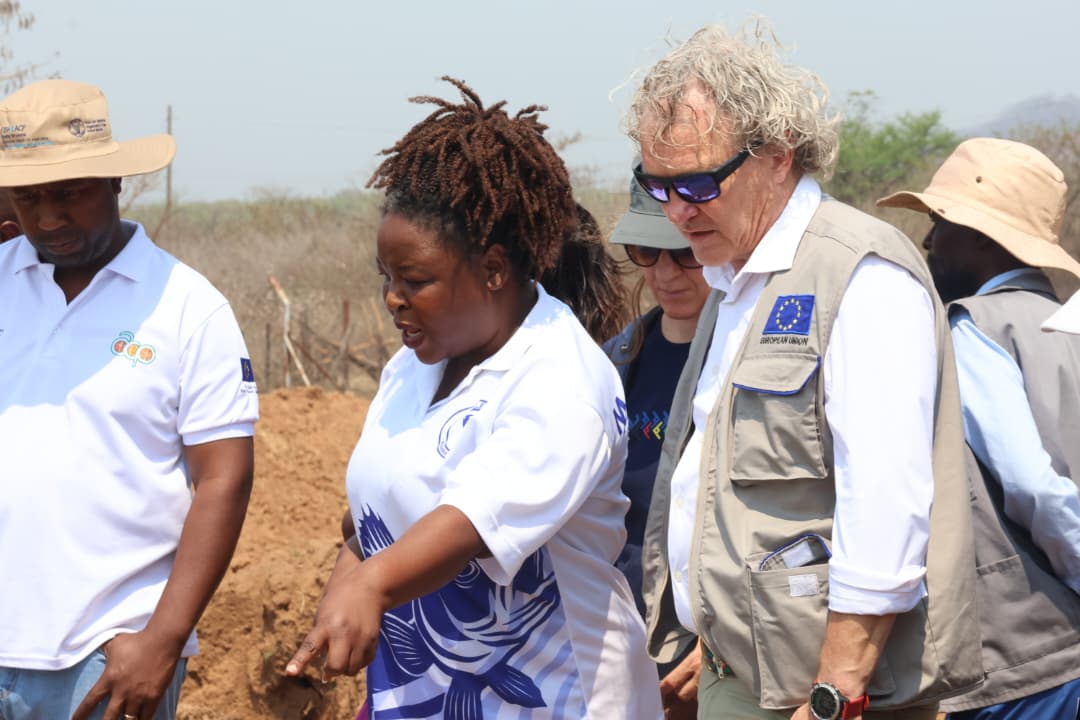
“Farmers can access quality and abundant fingerlings here, they can access feed, equipment and other services without having to travel long distances,” he said.
Munyokoveri said FAO, through the FISH4ACP programme, had supported technical training, improved production practices, market access and business development as part of efforts to build a more resilient aquaculture sector.
Chingwe said Government was also working with the Agricultural Marketing Authority to strengthen market access following the launch of the Farmed Tilapia Strategy, while standards adoption would help farmers access wider domestic, regional and continental markets.