Doris Mpala
Agriculture Correspondent
ZIMBABWEAN farmers are demonstrating resilience against forecasts of possible El Niño-induced drought conditions, with Mbare Market receiving substantial deliveries of agricultural produce from different parts of the country.
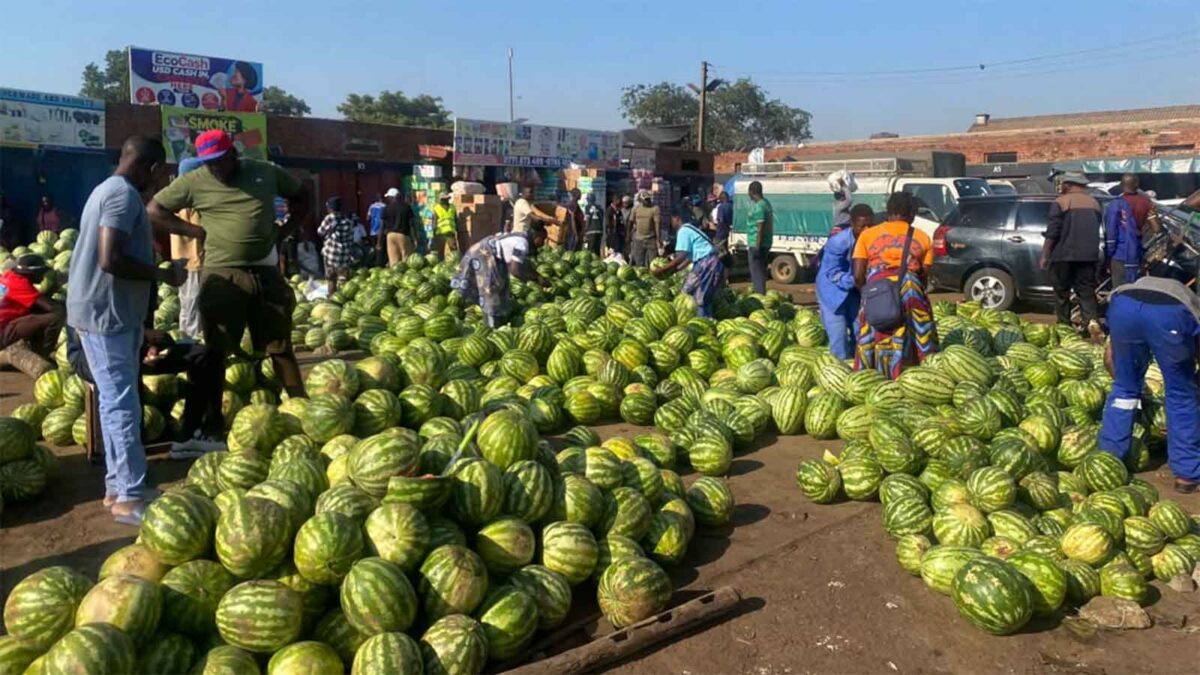
In a market update on Friday, Fresh Produce Market expert Dr Charles Dhewa said Mbare Market received 75 tonnes of green mealies from Birchenough, Chiredzi and Nyanga, while more than 200 tonnes of watermelons came from Chiredzi, Mwenezi and Featherstone.
He said the deliveries highlighted the contribution of farmers across different agricultural regions in sustaining food supplies despite concerns over the country’s rainfall outlook.
The market also recorded an oversupply of potatoes, with deliveries reaching 1 450 tonnes, resulting in a decline in prices as supply exceeded demand.
“In the fruit section, peaches, nectarines and bull mangoes are facing stiff competition from mazhanje, reflecting the availability of different seasonal products,” he said.
Tomato producers have also started supplying the market and indicated that they expect to continue harvesting until February 2027.
Dr Dhewa said the volumes reaching Mbare Market demonstrated the determination of farmers to sustain food production despite warnings of a possible severe El Niño.
“While other prophets of doom are spreading fear, what support can be given to many farmers who are quietly declaring war against the Super El-Niño to feed the nation?” he said.
He called for greater attention to agricultural microclimates, arguing that areas capable of sustaining production should receive targeted support before the country resorts to importing food that can potentially be produced locally.
“An important missing conversation is which microclimates can be supported before we rush to import all kinds of food, some of which can easily be produced locally?” Dr Dhewa said.
He also urged relevant authorities to leverage real-time information from mass markets when making agricultural and food security decisions.
The latest market developments highlight the importance of supporting farmers, strengthening local production systems and identifying productive areas that can help Zimbabwe maintain food supplies during periods of unfavourable weather.