Trust Freddy
Business Correspondent
ZIMBABWE’S mining industry will channel US$1.2 billion — more than 63 percent of its projected US$1.9 billion capital expenditure — into local mineral beneficiation next year as the Government enforces a broad-based, commodity-by-commodity value-addition strategy.
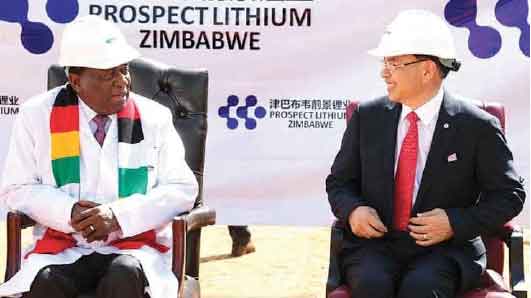
President Mnangagwa has been unequivocal that the era of exporting raw minerals is over, declaring that “the days where consignments leave our borders, declared simply as ‘ore’ or ‘concentrates’, meanwhile containing valuable and rare earth minerals are over”.
Under his administration, the Government has enforced beneficiation across all sub-sectors, maintaining a ban on raw lithium exports and setting a January 2027 deadline for exporting only lithium sulphate.
The President has also challenged stakeholders to “quickly adapt and ensure that our strategic minerals are value-added and beneficiated for win-win benefits”.
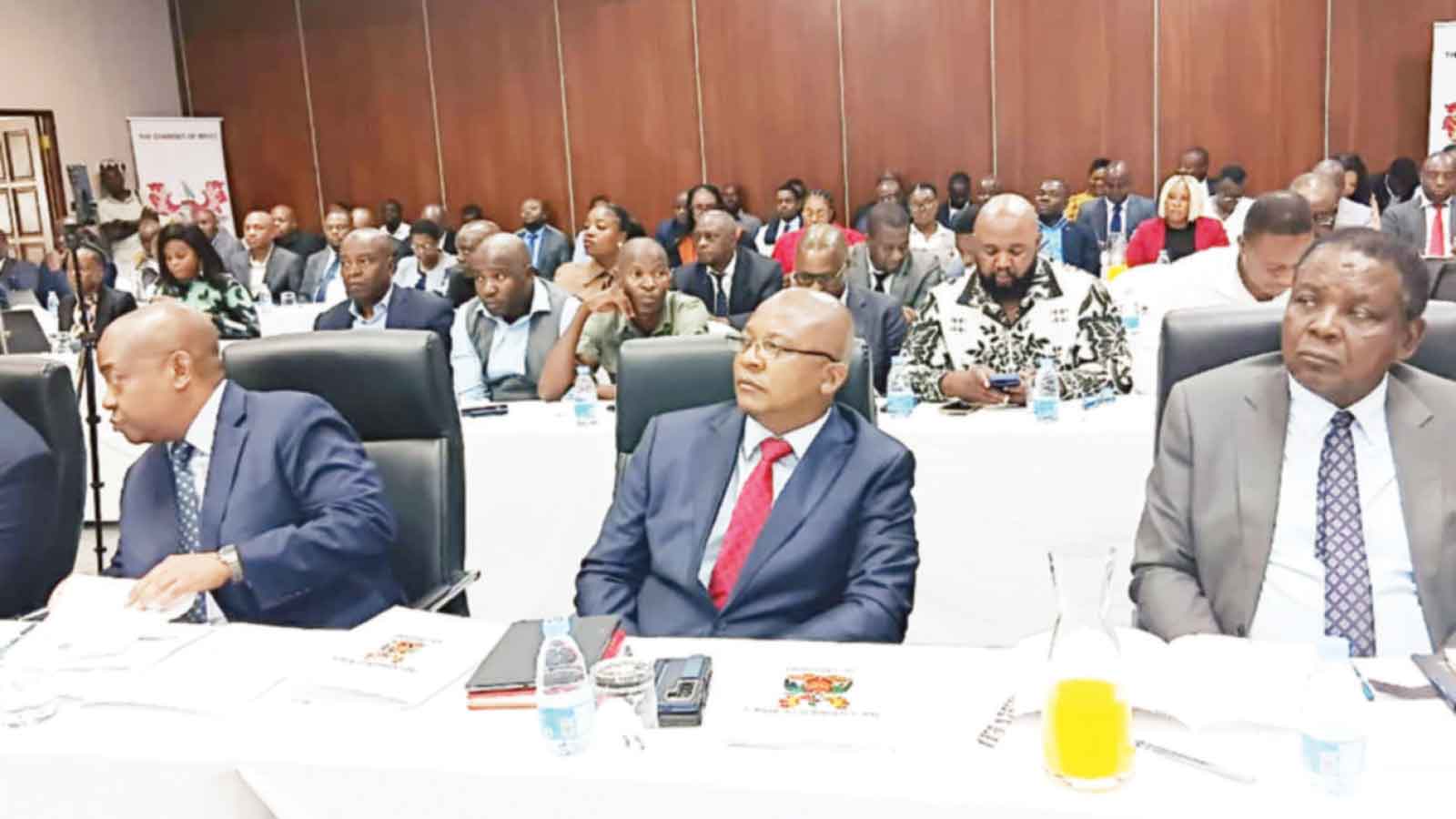
Findings from the Chamber of Mines of Zimbabwe’s annual State of the Mining Industry Report, unveiled at a seminar in Harare yesterday, indicate that US$1.2 billion of next year’s capital outlay will fund beneficiation infrastructure.
This investment appetite mirrors a sharp rebound in sentiment, with the Mining Business Confidence Index tripling from last year’s levels. Most surveyed companies reported undertaking capital projects, either expanding existing operations or building beneficiation plants in line with agreed Government roadmaps.
“Analysis of capital requirements data shows that the mining industry requires more than US$1.9 billion to implement their projects in 2027, with the bulk of it earmarked for lithium beneficiation projects,” reads part of the report.
Roughly three-quarters of surveyed operators plan to scale up output in 2027. Large-scale gold producers lead this expansion, having budgeted US$400 million to lift national bullion production from 55 tonnes to 59 tonnes.
Planned beneficiation spending covers crushing, screening, modular and lithium processing plants, alongside tin-tantalum recovery, oxygen plants, leach tanks, gravity circuits and plant optimisation. A further US$120 million is earmarked for energy projects, including thermal stations, solar installations and power stabilisation.
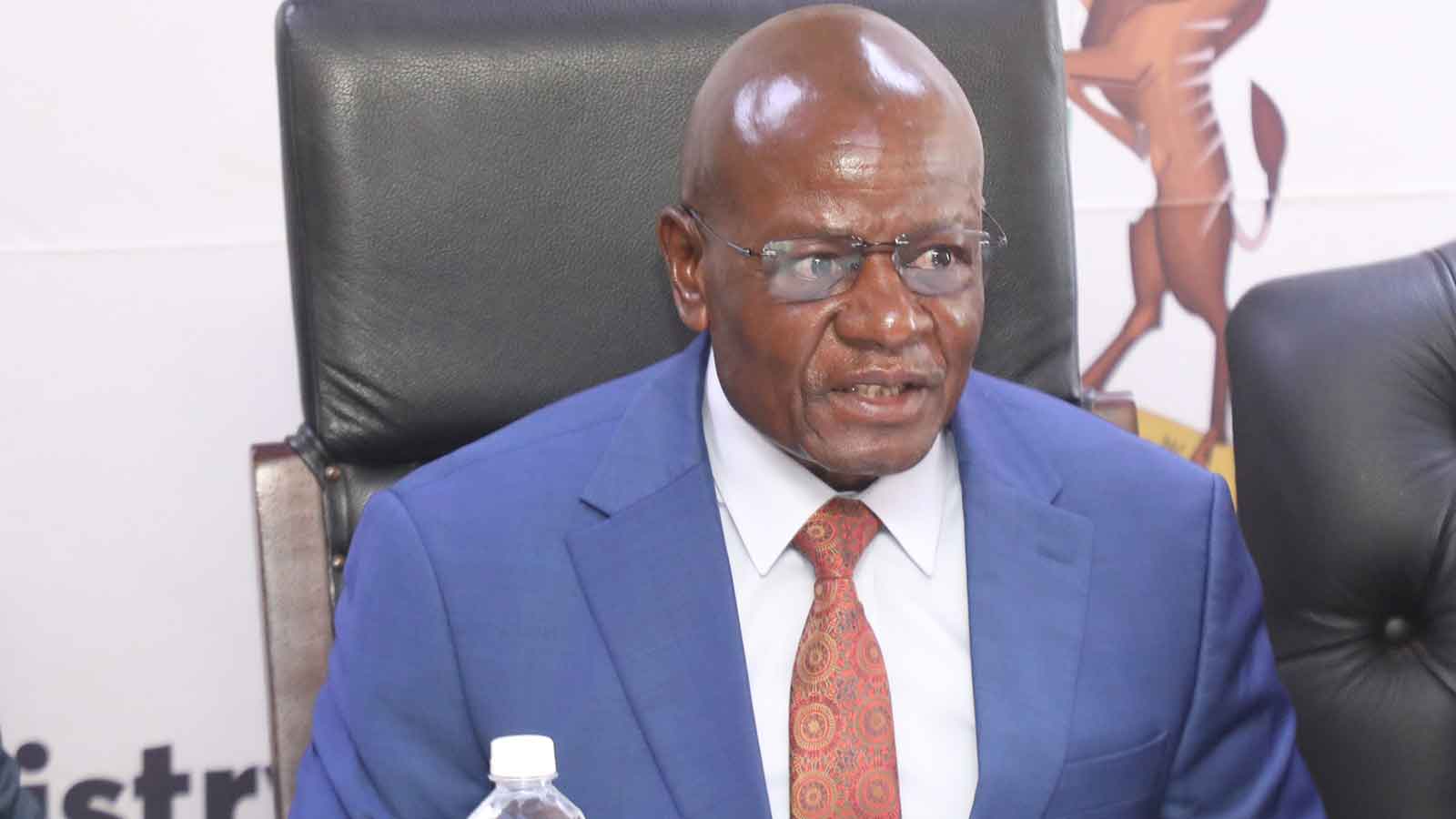
Addressing industry leaders, financiers and policymakers at the launch, Mines and Mining Development Minister Dr Polite Kambamura said the sector was firmly positioned for sustained expansion next year, underpinned by macroeconomic stability and rising employment.
“We are happy with the positive prospects for 2027. The year is going to be a good year for us, looking at the mining sector, the business confidence index, the level of stability, the appetite to invest from the industry, the employment numbers that are coming, and new projects that are currently at different stages of development,” Dr Kambamura said.
He added that mineral revenues breached historical averages this year on the back of deliberate value-addition policies, projecting even stronger foreign currency inflows in 2027.
“Beneficiation has also played a critical role in all this. I think you noted that our revenues for this year are historically high and above average. And going into 2027, that figure is going to go up again; those revenues are going to increase, anchored by firm beneficiation policies and strategies across all mineral sub-sectors,” he said.
Dispelling notions that the drive was confined to lithium, Dr Kambamura confirmed that authorities had rolled out a beneficiation framework across the entire mining spectrum.
“We are not looking at the lithium sub-sector only, as many may think, but we have developed a beneficiation strategy for all minerals, mineral by mineral. So come next year, we will see another flow of minerals that will be beneficiated to different levels, building up or construction of beneficiation facilities,” he said.
“To make sure that we beneficiate our minerals locally, we jealously guard our jobs, jealously guard our minerals, and we increase our export receipts through that local industry.”
Reserve Bank of Zimbabwe Governor Dr John Mushayavanhu underscored the sector’s central economic role, noting that mining remains the country’s primary foreign currency earner.
“The mining sector is very important in our economy; it is the major earner of foreign currency and, as you may be aware, we are building foreign currency reserves from the royalties we are getting from the mining sector,” he said.
“Currently, the country has no shortage of foreign currency at present because we are getting it from the mining sector.”
However, the survey warns that high operational costs continue to weigh on competitiveness. Electricity tariffs emerged as the single biggest threat to viability, with local miners paying USc14.21 per kilowatt-hour compared to a regional average of USc7.80.
Responding to fears of El Niño-induced power cuts, Zimbabwe Electricity Transmission and Distribution Company (ZETDC) senior manager Engineer John Diya said Hwange Units 7 and 8, currently undergoing servicing, were guaranteed to provide uninterrupted power in 2027.
“We will continue to lean on our neighbouring utilities to procure bridging gap imports as well as continue to support our clients, including the mining houses, as they self-import from the regional suppliers. We will avail our network as well as the balancing services that are necessary to do that, administrative services for scheduling and reconciliation,” Engineer Diya said.
Dr Kambamura maintained that supportive policies were steadily strengthening domestic confidence, noting that “the confidence being built locally is much impressive.”
First published in 2015, the State of the Mining Industry Survey evaluates sector performance, capital requirements and operational bottlenecks, serving as the primary empirical reference for Government policy and private sector planning.