
Daniel Chigunwe
Sunday Mail Correspondent
Long before the responsibilities of public office came calling, Minister Christopher Magomo had already developed a deep appreciation of the land, its potential and the dignity of agricultural production.
His earliest lessons in farming were not acquired in a university lecture room or through government policy documents, but in the fields of Chitauro Village in Guruve, where his parents cultivated the land and demonstrated the value of hard work, patience and self-reliance.
Growing up in a family where farming was part of everyday life, Minister Magomo developed an enduring connection with agriculture, one that has remained with him throughout his journey into public service.
Now the Minister of State for Provincial Affairs and Devolution for Mashonaland Central, that childhood inspiration is finding expression at Msitwe Farm in Guruve South, where Minister Magomo is demonstrating that leadership in agricultural transformation must also be accompanied by personal commitment to production.
With 60 hectares of tobacco under irrigation, Msitwe Farm is an expression of Minister Magomo’s belief in commercial agriculture, modern farming methods and the immense productive potential of Mashonaland Central.
For him, farming is more than an economic activity. It is a heritage, a livelihood and a critical pillar upon which Zimbabwe’s food security, industrialisation and economic prosperity must be built.
“My passion for farming started when I was growing up in Chitauro Village in Guruve,” said Minister Magomo during a recent inteview. “My parents were farmers, and I watched them work the land with determination.
“They taught me that the soil is an asset and that, with hard work and commitment, it can sustain families and transform communities.
“Those childhood experiences never left me. They shaped my understanding of agriculture and gave me a lasting appreciation of the farmer’s contribution to society. Even as I took on other responsibilities, I never lost that connection with the land.”
It is this grounding that gives his agricultural pursuits a distinctly personal dimension.
At Msitwe Farm, the story is no longer simply about childhood memories.
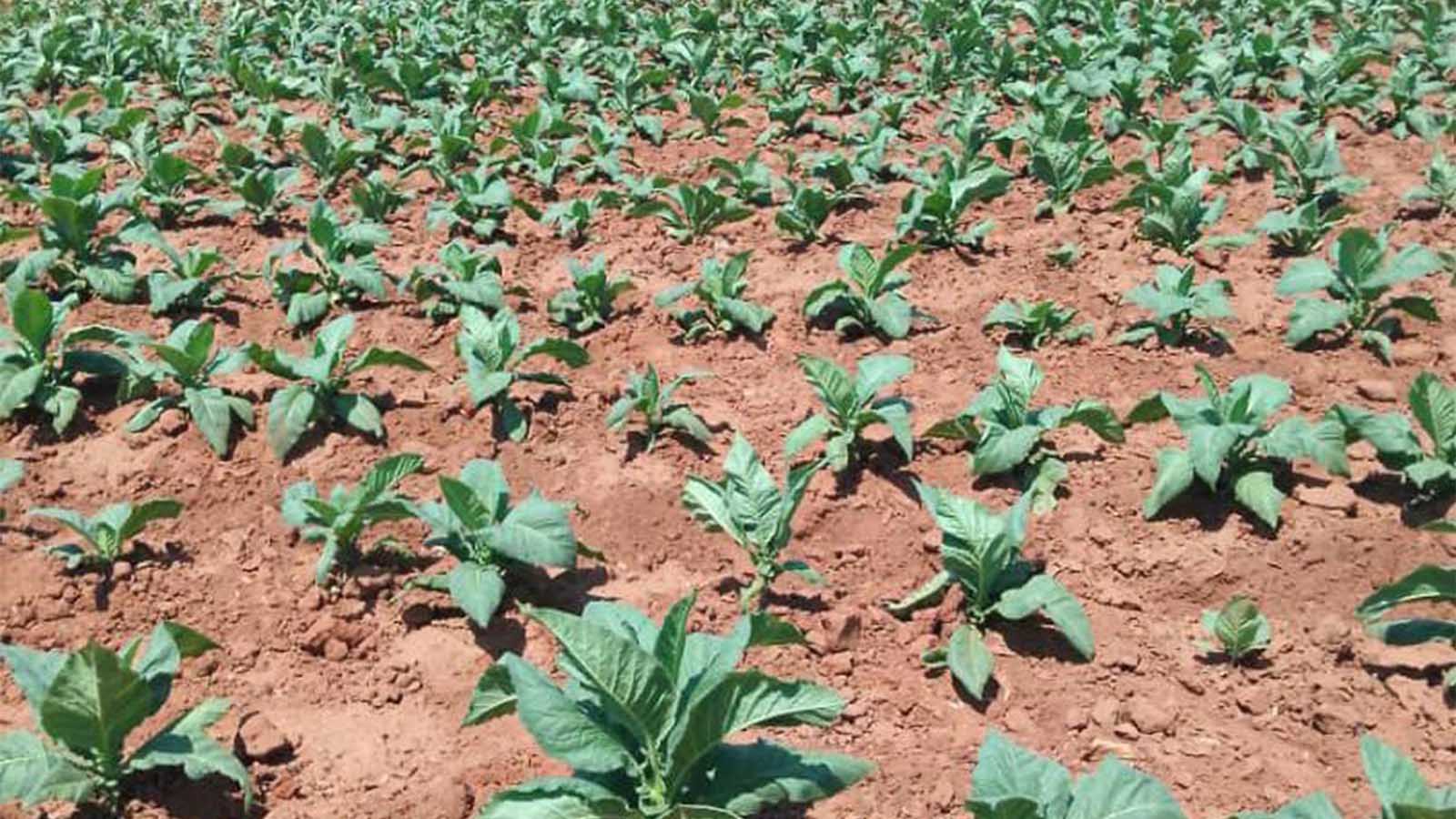
It is about translating a lifelong passion into productive investment, demonstrating the possibilities that emerge when agriculture is approached as a serious business supported by irrigation, planning and modern technology.
The 60 hectares of tobacco under irrigation reflect an appreciation of the importance of water security in commercial farming, particularly in an increasingly unpredictable climate.
Irrigation allows farmers to reduce their vulnerability to erratic rainfall, improve production planning and create greater opportunities for consistent yields.
Minister Magomo’s personal involvement in farming dovetails with a much broader ambition: repositioning Mashonaland Central as one of Zimbabwe’s leading agricultural production centres.
The province has historically been associated with tobacco, maize and other agricultural activities.
Its fertile soils, established farming communities and agricultural experience provide a strong foundation for expanding production and contributing more significantly to national economic growth.
Unlocking this potential requires deliberate investment, modernisation and a shift towards more productive and commercially oriented farming systems.
Minister Magomo believes the province must move beyond simply possessing agricultural potential to fully exploiting it through improved productivity, irrigation development, mechanisation and value addition.
“Our vision is to see Mashonaland Central reclaim and strengthen its position as one of the country’s major agricultural powerhouses,” he said.
“We have the land, the people and the agricultural experience. What we must continue building is the capacity to produce more, produce efficiently and add value to what we grow.
“We want to see farmers embracing modern farming technologies, expanding irrigation, improving their yields and treating agriculture as a viable business.
“The future of our province must be built on productive farms, thriving agricultural enterprises and communities that benefit directly from the wealth generated by their land.”
This vision resonates with the Second Republic’s broader agricultural transformation agenda and the national ambition of building an upper-middle-income economy by 2030.
While Msitwe Farm provides a practical expression of Minister Magomo’s passion for agriculture, his broader vision extends beyond individual farming enterprises.
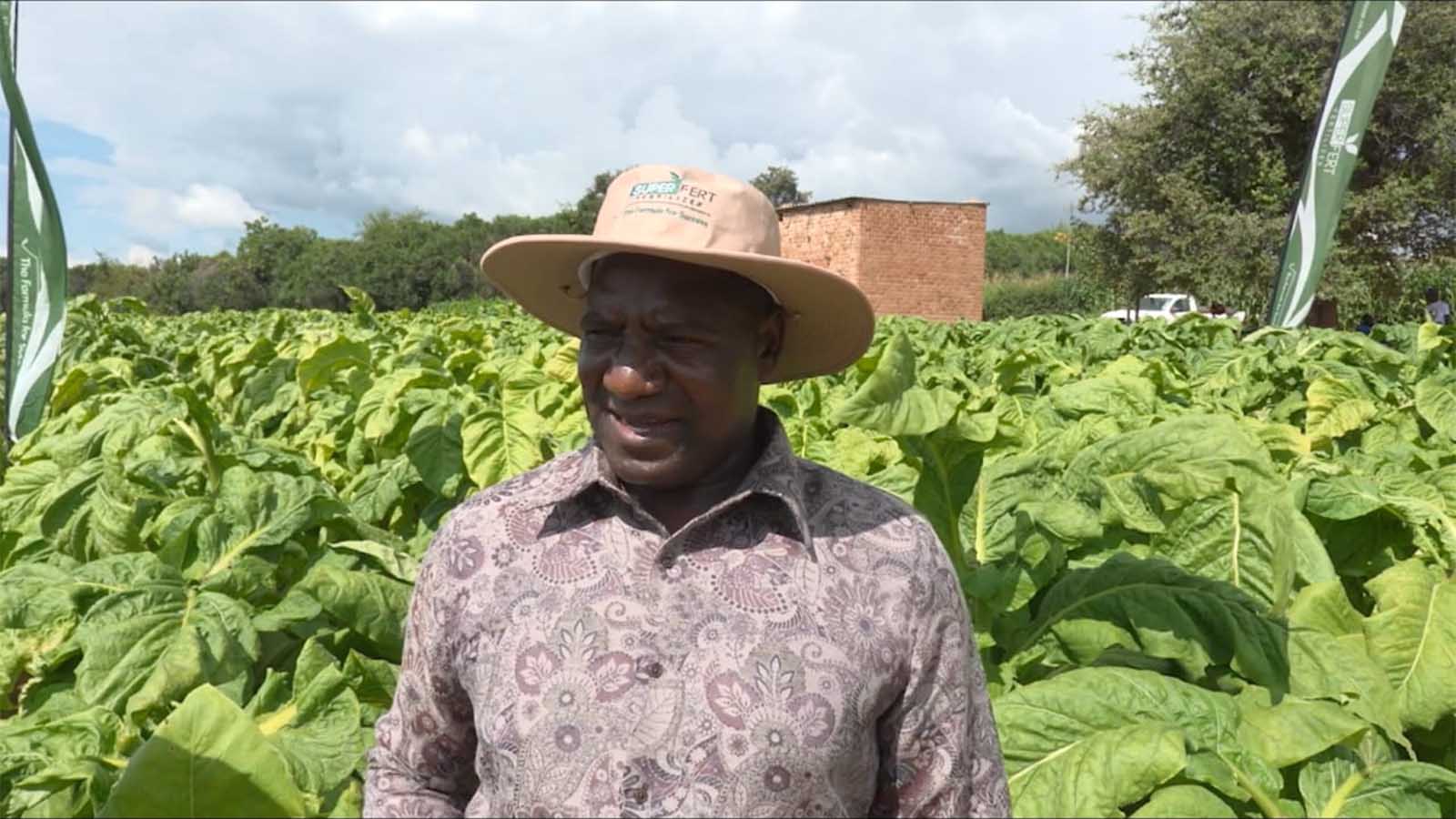
The transformation of Mashonaland Central’s agricultural sector requires a coordinated ecosystem in which commercial farmers, smallholder producers, agricultural institutions, financial organisations and government work towards shared development objectives.
Irrigation infrastructure remains an important priority as the country seeks to climate-proof agriculture and reduce dependence on seasonal rainfall.
Equally important is mechanisation, improved access to inputs, extension services, storage infrastructure and markets that reward farmers for increased production.
The province must also increasingly focus on value addition, ensuring that agricultural commodities do not simply leave farming communities in raw form but create further economic opportunities through processing and manufacturing.
The ultimate objective is to ensure that increased agricultural production translates into better livelihoods, employment opportunities, industrial growth and provincial economic development.
Minister Magomo believes Mashonaland Central must embrace this comprehensive approach if it is to fully realise its agricultural potential.
“Our ambition must go beyond producing crops,” he said. “We must build agricultural value chains that create wealth within our province.
“When farmers produce more, when commodities are processed locally and when businesses emerge around agriculture, the benefits spread across the entire economy.
“We must ensure that our agricultural development leaves no farmer and no community behind. From smallholder farmers to large-scale commercial producers, everyone has a role to play in building a stronger and more productive Mashonaland Central.”
At Msitwe Farm, his 60 hectares of irrigated tobacco represent more than an agricultural undertaking.
As Mashonaland Central positions itself for greater participation in Zimbabwe’s economic transformation, the challenge is to convert its agricultural heritage into a modern, competitive and diversified production economy.
For Minister Magomo, the inspiration remains rooted in the lessons of his childhood: the land rewards those who work it.
And from the family fields of Chitauro Village to the irrigated tobacco fields of Msitwe Farm, that lesson continues to shape his vision for an agriculturally prosperous Mashonaland Central.
The future of the province, in his view, must not merely be discussed in offices. It must also be cultivated in the fields.