Ivan Zhakata
Check Point Desk
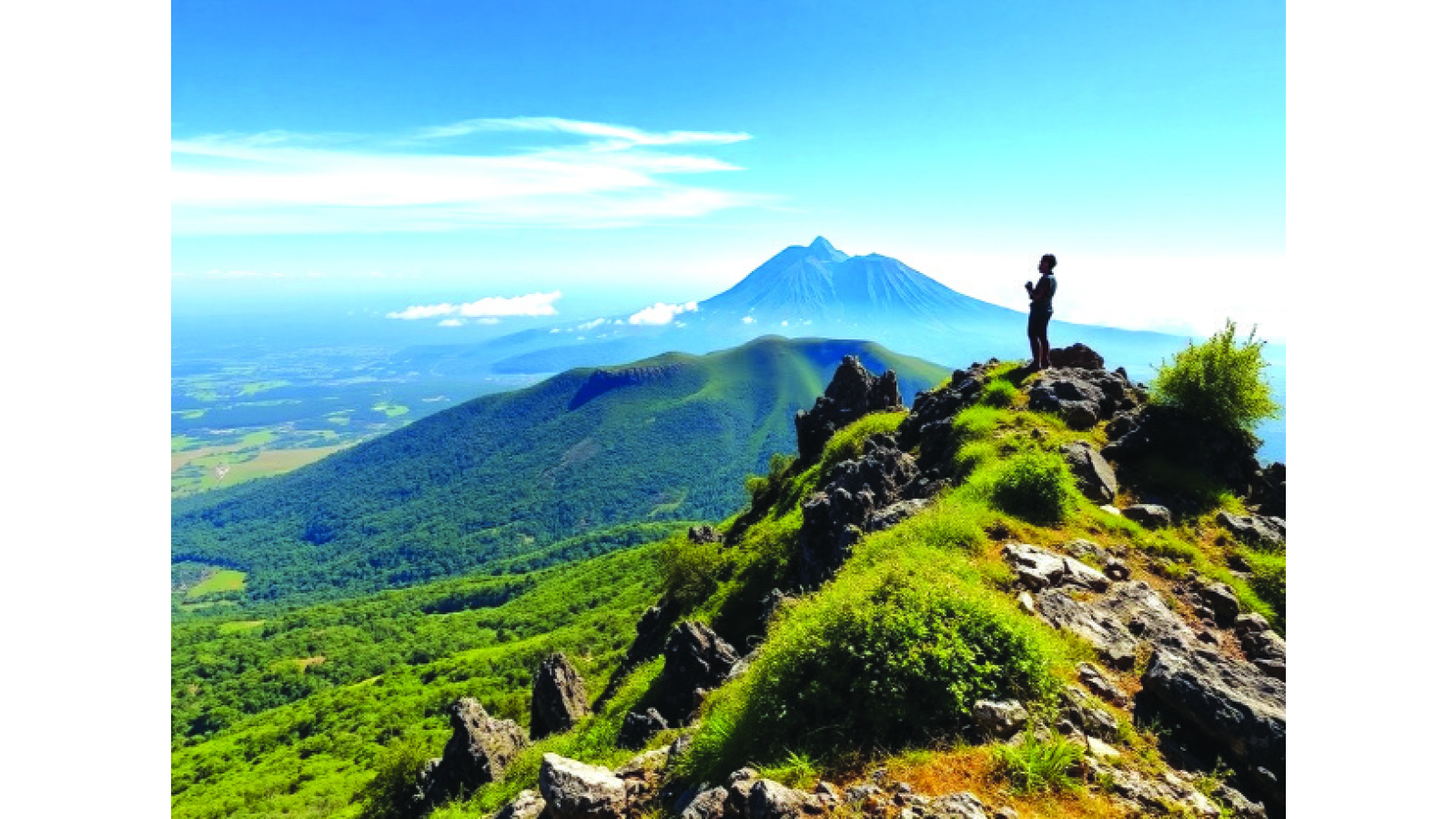
Standing majestically in Zimbabwe’s Eastern Highlands, Mount Nyangani is more than just the country’s highest mountain.
It is a breathtaking natural landmark wrapped in centuries-old folklore, spiritual beliefs and chilling tales of people who allegedly vanished without trace.
At 2 592 metres above sea level, Mount Nyangani, located in the Nyanga National Park in Manicaland Province, is Zimbabwe’s highest point.
Its spectacular scenery, mist-covered slopes and lush vegetation makes it one of the country’s most fascinating tourist attractions.
Yet, beneath its beauty lies a reputation that has earned it the nickname “the mountain that swallows people”.
A mountain of mystery
For generations, communities around Nyangani have regarded the mountain as sacred, believing it to be inhabited or protected by ancestral spirits.
Traditional beliefs caution visitors against disrespecting the mountain with stories suggesting that those who violate its spiritual boundaries may disappear mysteriously. Among the alleged taboos are insulting the mountain, making disrespectful remarks about unusual objects or animals encountered along the trails, and engaging in inappropriate behaviour.
Some local folklore also warns against wearing red clothing or drawing attention to strange things seen along the way.
One popular legend speaks of mysterious objects, including colourful snakes, strange trees and clay pots apparently burning without fire. According to folklore, visitors who encounter such phenomena should remain silent and continue walking rather than disturb the mountain’s spiritual guardians.
The disappearances that deepened the mystery
Mount Nyangani’s reputation has been reinforced by several unresolved disappearances. In December 1981, two teenage daughters of former Deputy Finance Minister Tichaendepi Masaya reportedly disappeared while hiking on the mountain. Despite extensive searches involving helicopters and ground teams, they were never found.
Another widely reported case involved Zayd Dada, a 31-year-old Harare man who disappeared on January 4, 2014, while hiking with his wife and another couple. Dada reportedly walked away from the group to explore the scenery but never returned. Extensive searches involving security personnel, trackers and volunteers failed to locate him.
In 1986, eight-year-old Robert Ackhurst also reportedly disappeared on the mountain, adding to the growing list of unexplained cases.
These incidents have fuelled speculation about supernatural forces, with some traditional leaders reportedly suggesting that spiritual ceremonies could help locate missing people.
Mystery versus reality
While folklore attributes the disappearances to ancestral spirits and supernatural forces, Mount Nyangani’s terrain presents genuine dangers. Rapid weather changes, thick fog, heavy rains, steep ravines and poor visibility can quickly disorient hikers making it easy to lose the designated trails.
Zimbabwe Parks and Wildlife Management Authority has identified Mount Nyangani as the country’s highest point and part of the spectacular Nyanga National Park landscape.
Ultimately, Mount Nyangani remains a remarkable blend of natural beauty, cultural heritage and enduring mystery — a mountain whose stories continue to intrigue Zimbabweans and visitors alike.
Sourcce: ZimParks – Nyanga National Park