Online Reporter
Andile Tshuma, Zimpapers writer
MORE than 2 600 nurses and midwives graduated at Mpilo Central Hospital in Bulawayo on Friday, with the institution being hailed as a model of healthcare innovation and professional training excellence in the southern region.
The graduation comes at a time when Zimbabwe continues to experience both a growing demand for skilled health workers and the effects of significant migration of medical professionals to overseas markets.
In recent years, the Government has rolled out several sector-wide reforms, which include hospital rehabilitation, the introduction of telemedicine and efforts to improve conditions of service, to retain skilled staff and strengthen healthcare delivery.
Mpilo Central Hospital has been at the centre of these reforms, positioning itself as a leading training and referral institution for the entire southern region.
This year, Mpilo’s School of Nursing and Midwifery achieved a gold-level performance in the latest national nursing examinations, reaffirming its position among the country’s leading training institutions. The achievement comes as the health sector demands highly skilled, ethical and adaptable practitioners to address emerging health challenges both locally and globally.
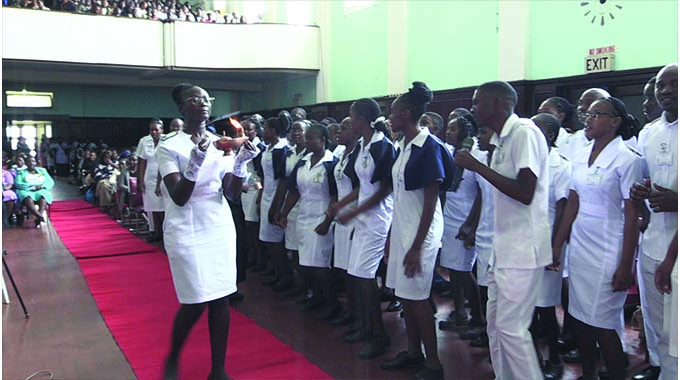
In his keynote address, Health and Child Care Deputy Minister Sleiman Kwidini, who was the guest of honour, said Mpilo Central Hospital’s achievements align with Vision 2030.
“As nurses, you are beacons of hope, comforters and pillars of strength for those you care for. Always remember the values of kindness, respect and professionalism that have been instilled in you,” he said.
Deputy Minister Kwidini implored the new graduates to embrace specialisation and lifelong learning, exploring fields such as paediatrics, oncology and critical care. He also urged them to pursue leadership roles and research opportunities that could shape health policy and advance patient care, saying they should “think internationally, but act locally.”
Deputy Minister Kwidini warned the graduates against substance abuse.
Turning to the digital transformation of the country’s healthcare, Deputy Minister Kwidini emphasised the importance of adapting to new technologies, including Artificial Intelligence (AI) and Electronic Health Records (EHRs).
“In this modern era of ICT and digitalisation, one cannot afford to lag behind. The Ministry of Health and Child Care has introduced electronic health record systems and telehealth programmes to enhance patient monitoring and mentorship,” he said. “Mpilo’s telemedicine initiative, pledged by His Excellency, President Dr. E.D. Mnangagwa on Independence Day, is a major step forward in that vision.”
Deputy Minister Kwidini reaffirmed the Government’s commitment to improving conditions of service for health workers by regularly reviewing salaries and offering non-monetary benefits. He said migration of health workers though impacting negatively on Zimbabwe’s health service delivery, demonstrated the country’s ability to produce globally competent professionals.
“While many of our professionals seek opportunities abroad, we continue to build a rewarding system here at home. We want our nurses and doctors to find fulfilment serving their nation,” said Deputy Minister Kwidini.
He also highlighted ongoing health sector reforms, including the forthcoming National Health Insurance (NHI), which he described as a key policy to safeguard vulnerable populations and strengthen health financing in pursuit of Universal Health Coverage.
“We have set an ambitious target to double our health workforce by 2030, hopefully achieving it as early as 2028. The Presidential Hospital Renovation Programme, starting with Parirenyatwa Group of Hospitals and now Mpilo, and the rollout of solar power to health centres are all part of building a stronger, more sustainable health system,” said Deputy Minister Kwidini.
He called on the graduates to uphold integrity, reject corruption and treat every patient with dignity.
“Nursing is more than a job. It is a vocation of skill and compassion for which you are accountable to both society and a higher purpose,” said Deputy Minister Kwidini.
“Be pioneers of excellence and ethical ambassadors. The future of Zimbabwean healthcare is yours to shape, go and make it brighter for everyone.”
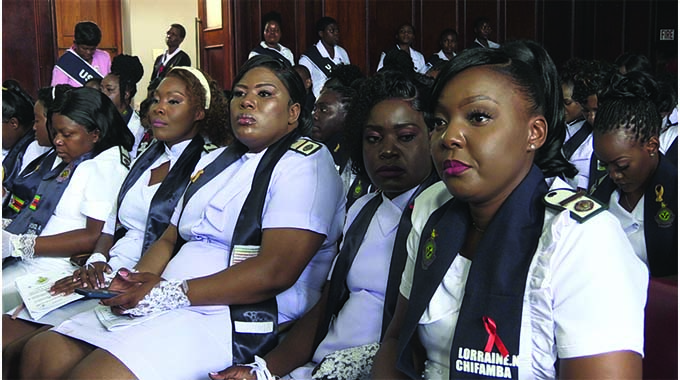
Acting head of the Mpilo Central Hospital School of Nursing, Ms Charity Nyandoro, said the school continues to produce professionals ready to serve diligently, commending the graduates for excelling despite various challenges.
“The school has increased student enrolment from 50 to over 80 students in response to the growing need for registered general nurses in public health institutions, giving a total of 510 students,” she said.
To date, there are 474 general nursing students, 20 advanced neonatal and paediatric nurses and 16 advanced accident and emergency nursing students.
Ms Nyandoro said the nursing school continues to collaborate with institutions like the United Bulawayo Hospitals (UBH) for ophthalmology, Bulawayo City Council’s fire and ambulance services for pre-hospital care, the provincial medical directorate for rural secondment and Ingutsheni Central Hospital for psychiatry attachments.
The head of the Mpilo School of Midwifery, Dr Kushupika Dube, said the school achieved a 100 percent pass rate this year.
“You must never stop learning and use the principle of treating all patients as your own close relatives. This principle safeguards against discrimination against our clients in line with this year’s theme for the International Day for Midwives ‘Midwives critical in every crisis,” she said.
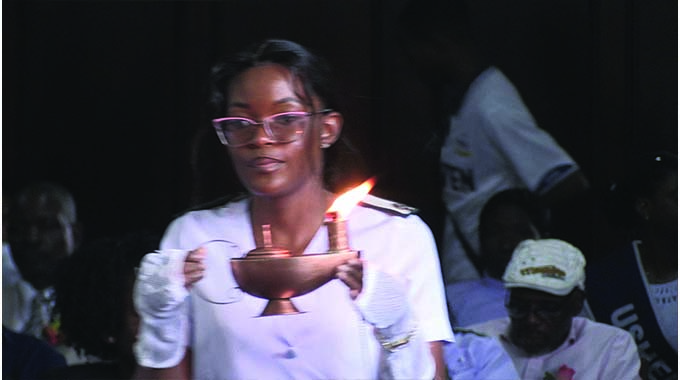
“As you graduate today, remember midwives are critical in offering continuity of care and safeguarding the life of mother and newborn during crisis. Let’s work together to save life.”
Mpilo Central Hospital’s Chief Medical Officer, Dr Narcisius Dzvanga, attributed the hospital’s success to an enduring culture of excellence, innovation and commitment to improvement.
“Mpilo is not just a hospital; it is a training ground for healthcare leaders. Our performance in national examinations reflects the high standards of instruction and mentorship that our staff maintain,” he said.
“We are building a workforce capable of shaping the future of healthcare in Zimbabwe and beyond.”
Dr Dzvanga said the hospital has expanded its training portfolio to include post-basic trauma programmes and continues to scale up telemedicine, linking specialists in Bulawayo with communities as far as Gokwe.
“Our trauma training programme equips healthcare workers with life-saving skills. It is part of our vision to create a system that can respond rapidly and effectively to emergencies, whether they stem from accidents, industrial incidents or natural disasters,” he said.
“Telemedicine is bridging gaps in access to care. It ensures that even the most remote communities benefit from specialist expertise without bearing the costs of travel.”
Dr Dzvanga said the hospital has also established an e-learning laboratory for midwives, enabling continuous professional development and ensuring that staff remain abreast of global health trends and standards.
Another standout innovation is the ministry’s Helidrive Air Ambulance initiative, which has positioned Mpilo as a regional hub for medical aviation with two medical aircraft stationed at the hospital.
Dr Dzvanga also highlighted persistent challenges, including staff accommodation shortages and inconsistent health financing, but expressed gratitude to the Government for addressing some of the challenges.