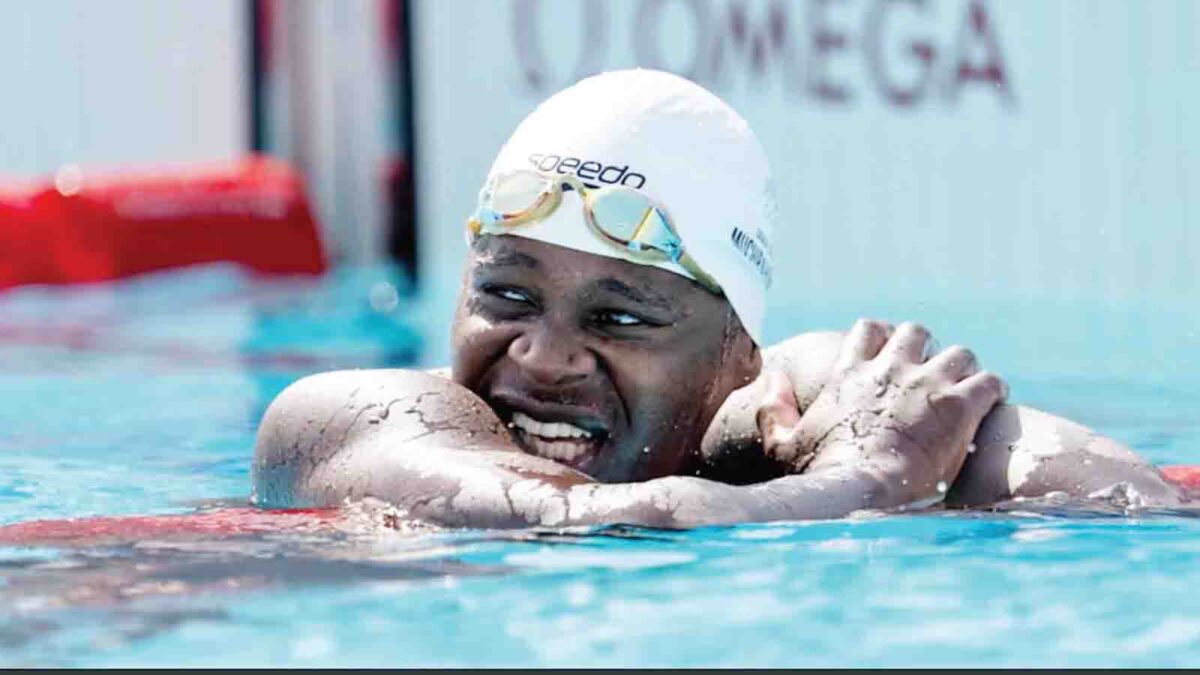
ARIEL Muchirahondo is getting used to standing on top of the podium at Dakar 2026.
Just two days after winning New Zealand’s first-ever swimming gold at the Youth Olympic Games, he claimed a second title with victory in the men’s 100m backstroke on Tuesday. While the 17-year-old grew up in Rotorua on New Zealand’s North Island, his family roots are in Zimbabwe.
As such, this first-ever Olympic event to take place on African soil holds special significance for the young athlete who is rapidly becoming one of the stars of the Games.
“Not everyone here is from Zimbabwe, but I think it’s great to do it on home soil,” Muchirahondo told Olympics.com after receiving his second gold medal. “And it brings me lots of pride to be able to come here and see just more people like me and be able to do them proud.” Not so long ago, Muchirahondo was training in freezing conditions in an outdoor pool at home in New Zealand.
Despite conditions being vastly different in Dakar, he has shown no signs of slowing down in the pool.
“It was a really close race. I think I’m relieved and prideful that I came out on top,” he said of the 200m backstroke final.
Before Dakar 2026, no New Zealand athlete had ever won swimming gold at the Youth Olympic Games. Now, the nation’s anthem has been heard twice in three days at the Dakar Aquatic Centre.
“I mean, New Zealand is not the biggest country, so I think it’s good to see us coming out on top and being able to hear that in front of all these nations,” he said.
After winning two golds from two events, Muchirahondo still has two more chances to add to his medal tally, with the 200m individual medley and 200m freestyle to come yesterday and tomorrow, respectively.
So how has he prepared for such a demanding schedule?
“I mean, just train as if I’m doing eight events instead of four,” he said. “I think that’s just the best way to do it because then I can get up and give it 100 per cent every time.”
Winning has also helped, as the teenager continues to build upon the confidence victory has instilled in him. “It gives you a unique advantage knowing that you’ve done it before instead of having to bring yourself up there and tell yourself you can get a gold,” he said. “You already know you’ve already done it and you just have to repeat it again.” – Olympics.com