
Nyore Madzianike, Senior Reporter
GOVERNMENT is set to boost the Zimbabwe United Passenger Company (ZUPCO) fleet with 500 new buses, with 185 scheduled for delivery before the end of the year, as part of a broader State enterprise revival drive led by the Mutapa Investment Fund.
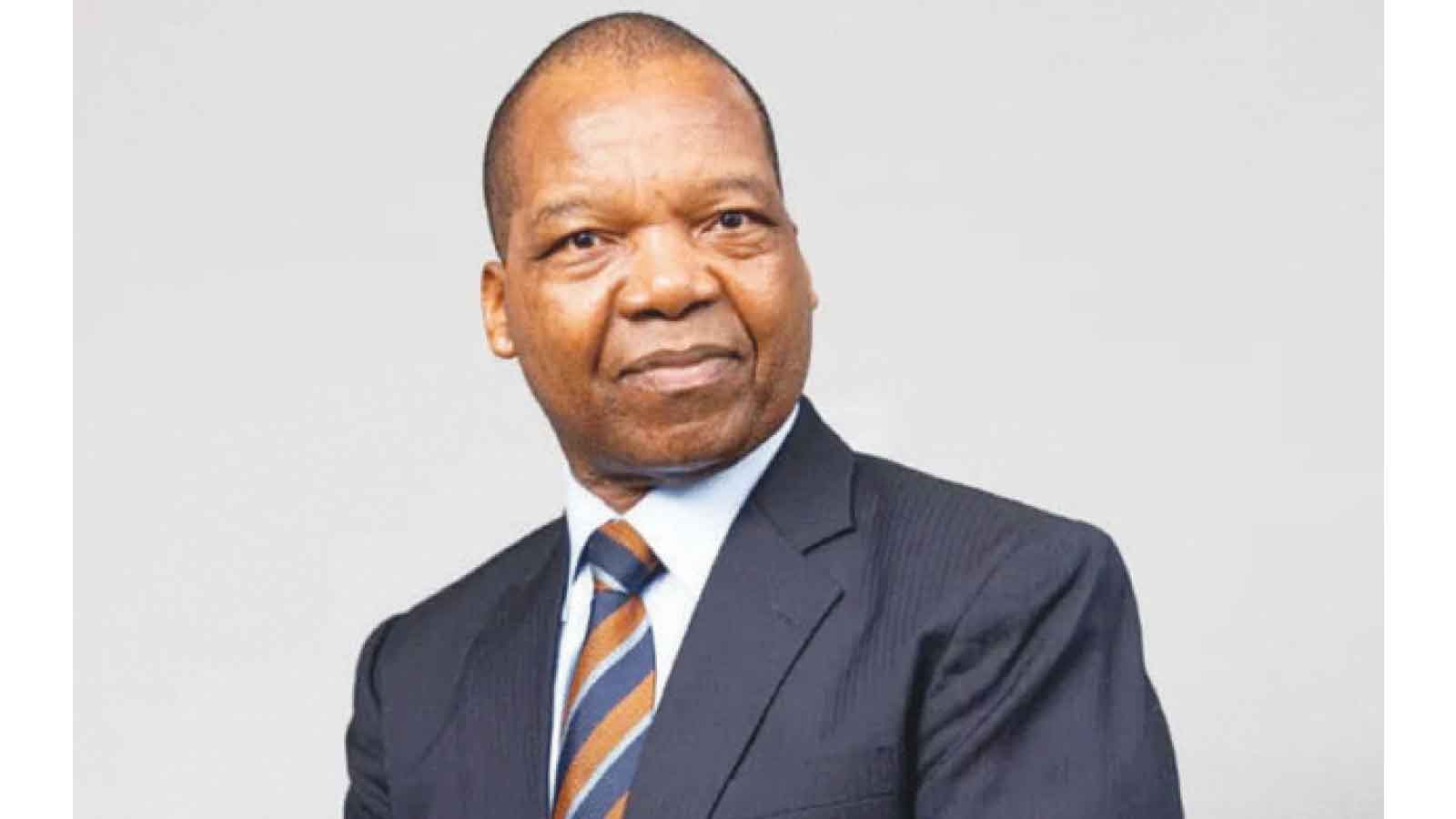
Speaking at the Zimbabwe National Defence University in Harare recently, Mutapa Investment Fund chief executive officer Dr John Mangudya said the procurement complemented ongoing investments in Air Zimbabwe and the National Railways of Zimbabwe (NRZ).
“The Fund supported Air Zimbabwe to have two aircraft back in service from the workshop, pay lease fees for an ATR42 Aircraft plying the domestic routes and an Airbus A330-300 plying the Harare-London route,” Dr Mangudya said.
“The Fund is considering procuring additional smaller aircraft to service the domestic and regional routes, among other ongoing interventions.
“The Fund is procuring 500 new buses to capacitate ZUPCO, of which 185 are expected to be delivered before year-end. This will add to the fleet of 267 servicing the country.”
Dr Mangudya said the Fund also mobilised US$10,46 million for short-term interventions at the NRZ under a three-phase turnaround plan.
“As of September 2026, 11 locomotives, 538 wagons and 32 coaches had been restored to service. Significant portions of the track were rehabilitated, resulting in 35 percent reduction in derailments and freight volumes increased to 2,3million tonnes per annum,” he said.
Rehabilitation works along the Machipanda-Harare and Chicualacuala-Plumtree rail corridors are ongoing alongside Public-Private Partnership talks and the development of the Rutenga Dry
Port. Dr Mangudya noted that modernising road, air and rail transport is critical to supporting the Zimbabwe Tourism Authority’s targets of 1,87 million international arrivals, 15,7 million domestic trips and US$1,56 billion in revenue this year.
“The Zimbabwe Tourism Authority (ZTA) reported that they are targeting 1,87 million international arrivals and about 15,7 million domestic trips this year and US$1,56 billion in revenue. Air Zimbabwe and ZUPCO are key enablers within the tourism sector,” he said.
In the agriculture and manufacturing sectors, Dr Mangudya reported steady progress at the Cold Storage Company (CSC), which exited corporate rescue in 2025 following a US$9,3 million capital injection and the cancellation of a 2019 joint venture.
“The funds were used for plant refurbishment, clear legacy debts to employees, local authorities, utilities, foreign creditors, and legal fees. The Fund also provided working capital to buy cattle for slaughtering,” he said.
The refurbished CSC plant can now slaughter 320 cattle daily. Three butcheries are operating, 261 employees have returned to work, and the company’s market share has grown from two percent to nine percent while efforts continue to restore nine refrigeration units in Harare and Kadoma.
To cut the nation’s fertiliser import bill—which reached US$399,09 million between January and September 2026 according to ZIMSTAT—the Fund injected over US$13,6 million into Sable Chemical Industries and US$5,3 million into Dorowa Mine.
Refurbishment at Sable Chemicals is 97 percent complete ahead of year-end production, while Dorowa Mine has resumed basal fertiliser output with expanded annual capacity of between 80 000 and 100 000 tonnes, up from 15 000 tonnes. The Fund is also financing phosphate exploration in Shamva.
“Phase 1 target is to produce 240 000 tons of AN/year, which will be 63 percent of national requirement. Ammonia gas supply has been secured and rail tankers are ready,” Dr Mangudya said.
“The Fund is also funding the exploration process for phosphate at Shamva to determine the resource base. Phosphate is a key input into fertiliser production and other industrial manufacturing. Production of basal fertiliser at Dorowa Mine and Ammonia Nitrate at Sable Chemical Industries will go a long way in reducing the fertiliser import bill, towards self-sufficiency.
“According to ZIMSTAT statistics, from January to September 2026, the country has imported fertiliser worth US$399,09 million. Reduction of the import bill will free resources for other social priorities.”
In the energy sector, Dr Mangudya said the Fund is expanding the National Oil Infrastructure Company (NOIC) pipeline capacity from three billion to five billion litres annually to establish Zimbabwe as a regional fuel hub.
“NOIC has managed to procure adequate fuel for the country despite global supply chain disruptions. The goal is to make Zimbabwe become a regional fuel hub for Southern Africa,” he said.
Overall, Dr Mangudya revealed that portfolio companies had paid cumulative dividends of US$93 million to the Fund against gross disbursements of US$152 million.