Nqobile Bhebhe
Zimpapers Business Hub
GOLD developer NAMIB Minerals says expanded milling capacity at How Mine is beginning to drive gold production and improve operating cost efficiencies, providing fresh momentum to the Zimbabwean gold producer’s growth ambitions going into 2027.
The successful commissioning of the expanded plant has already translated into a significant increase in ore processing volumes and gold output, with the mine recording a 21 percent increase in monthly production in October compared with its third-quarter average.
The performance marks an important operational milestone for the company, demonstrating how investment in production capacity can improve mining efficiencies, strengthen cash generation and enhance the competitiveness of Zimbabwe’s gold sector.
The Nasdaq-listed Namib Minerals, which has a portfolio of mining assets in Zimbabwe, said its expanded milling plant at How Mine achieved an availability factor of approximately 94,6 percent following commissioning ahead of its mid-October schedule.
In October, the mine processed 52 376 tonnes of ore, representing a 27,3 percent increase from the third-quarter 2026 monthly average of 41 143 tonnes.
Gold production increased to 2 396 ounces, 21 percent above the third-quarter monthly average of 1 981 ounces and approximately 27 percent higher than the January-to-September 2026 monthly average.
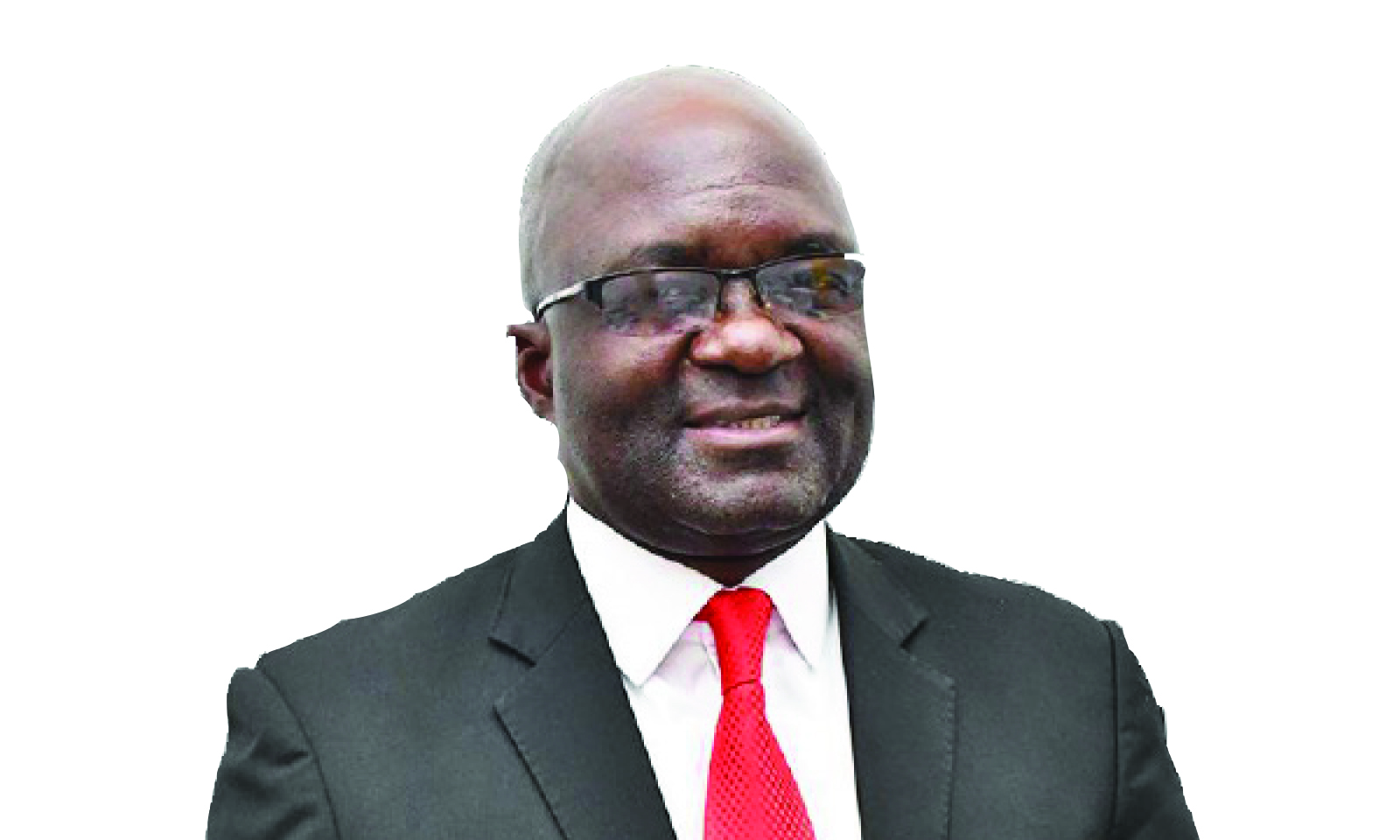
Namib Minerals chief executive officer Mr Tulani Sikwila said the October performance provided the first clear indication that increased milling capacity was translating into higher production volumes and improved operating economics.
“With the Expanded Mill now commissioned, October gives us the first clear evidence that the additional capacity has translated into more tonnes, more ounces and lower unit costs, which we expect to support stronger cash generation,” said Mr Sikwila.
The production gains are particularly significant given that they were achieved despite a decline in average ore grade, demonstrating the importance of increased processing capacity in improving overall mine output.
How Mine recorded an average head grade of 1,64 grams per tonne in October, down from 1,72 grams per tonne in the third quarter.
However, metallurgical recovery improved marginally to 86,7 percent from 86,3 percent, helping the operation sustain higher gold production despite processing lower-grade ore.
Mr Sikwila said the increased throughput had more than compensated for the lower head grade, highlighting the operational benefits of the expanded plant.
“How Mine processed 27 percent more ore than the third-quarter monthly average and produced 21 percent more gold, despite a lower head grade. We believe the additional throughput more than offset the grade impact and materially reduced the unit cost of production,” he said.
The company believes the latest performance confirms that milling capacity had been the principal constraint on How Mine’s production growth, with the expanded facility now providing additional capacity to increase output.
Beyond the immediate production gains, the improved performance at How Mine carries strategic significance for Namib Minerals as it seeks to strengthen its operational base and advance other mining assets.
Mr Sikwila said sustained performance at the mine would provide a stronger foundation for the company’s wider growth ambitions, including the development of its Redwing project.
“How Mine is the operating and financial foundation of Namib Minerals. We believe sustained performance at How Mine strengthens the platform from which we intend to advance Redwing and the wider growth strategy,” he said.
Although the expanded plant was not operating at full capacity throughout October, the company believes the initial results demonstrate its ability to accommodate higher ore volumes and improve production performance.
The plant’s availability factor of 94,6 percent also points to encouraging operational reliability during the early stages of its ramp-up.
The planned power upgrades are expected to provide another layer of efficiency by improving the mine’s energy cost structure, an important consideration for mining operations where electricity accounts for a significant proportion of operating expenditure.