Rutendo Nyevem, [email protected]
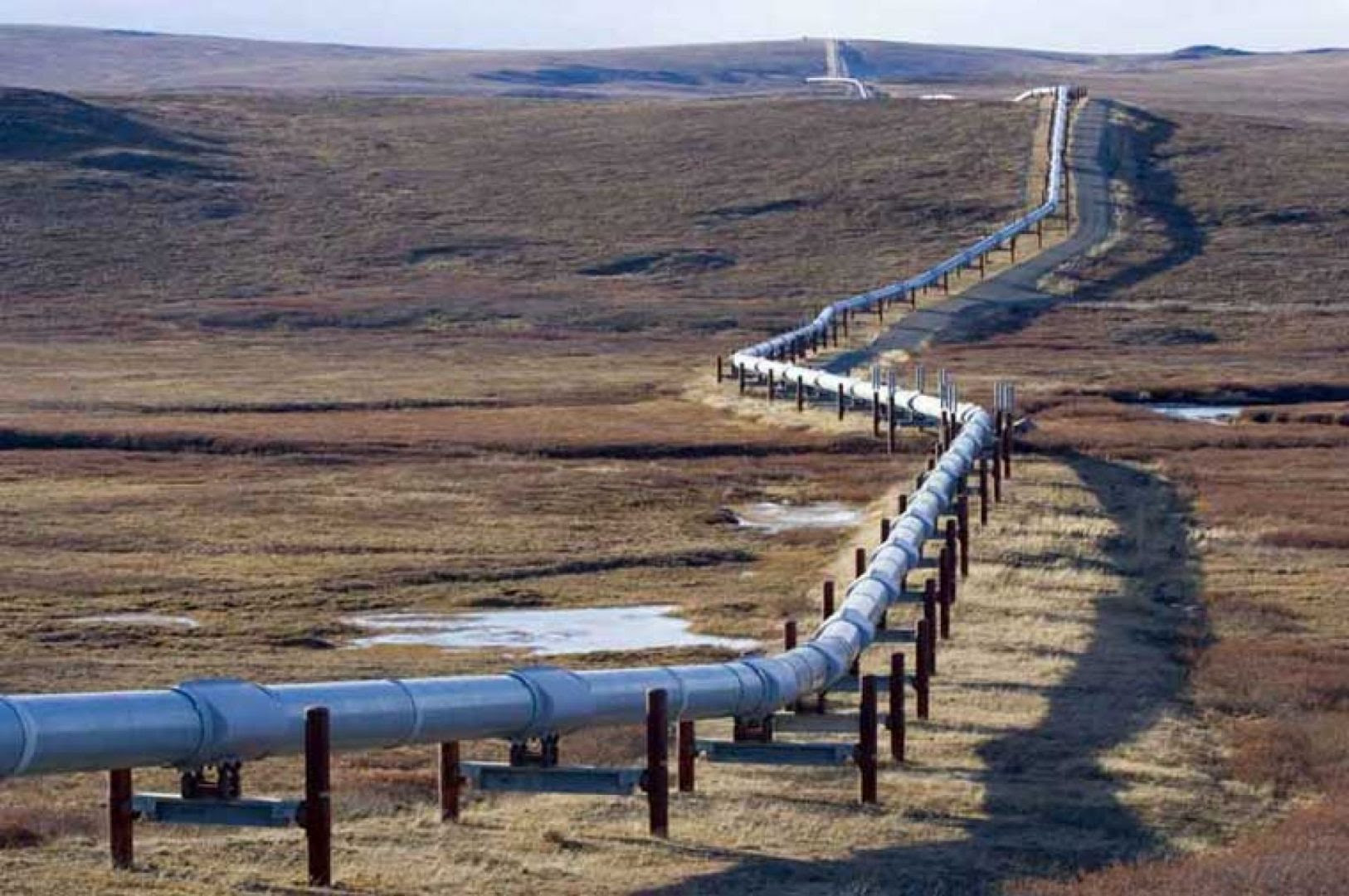
THE National Oil Infrastructure Company of Zimbabwe (NOIC) has secured land in Beira, Mozambique, to construct a new tank farm while Mutapa Investment Fund (MIF) has mobilised US$20 million for the Phase II upgrade of the pipeline, which will expand throughput from three billion litres to five billion litres per year, a strategic development set to anchor Zimbabwe’s long-term energy security.
This was revealed by Mr Ernest Denhere, Deputy Chief Investment Officer of MIF, during the Ministry of Energy and Power Development Strategy Review Workshop held in Victoria Falls on Friday.
“We’re looking into port and terminal investments through the Ministry of Energy and Power Development. We’ve been granted land in Beira, and we’re working on trying to model out a new tank farm, which would probably give us more energy security as a country,” said Mr Denhere.
He added that the next major pursuit with NOIC is the existing pipeline upgrade project.
“The next development we’re going to be pursuing with NOIC is obviously . . . there is an existing upgrade project, which I think everyone’s aware of, moving from three billion litres to five billion litres.”
Mr Denhere emphasised that the expansion is not merely about domestic supply but about positioning Zimbabwe as a regional fuel corridor.
“But more importantly, it’s how we can connect ourselves with other markets, be it in Zambia or into Botswana. I think we’ve done a bit of concept work on that. But once we’ve upgraded it to five billion litres, the task for NOIC is that we need external markets,” he said.
“Last year, if I recall correctly, the throughput on the pipeline was 2,7 billion litres. Out of the 2,7 billion litres, 2,2 billion was local in Zimbabwe and 500 000 was export. So, once expanded, we really need to look at ways of exporting to the DRC, Tanzania, and other countries.”
The MIF’s intervention aligns with NOIC’s strategic thrust to secure guaranteed hinterland markets through Government-to-Government arrangements and enhance pipeline competitiveness.
The Beira tank farm is viewed as critical for unlocking supply chain constraints, particularly vessel berthing and efficient product evacuation.
NOIC’s latest performance review, presented at the workshop, highlights a robust upward trajectory. Throughput volumes have risen consistently from 1,398 billion litres in 2021 to a projected 2,85 billion litres in 2026, representing 95 percent capacity utilisation.
The company operated profitably during the period, funding all project capital expenditure and consistently declaring dividends to its shareholder.
Key achievements include the completion of the Ruwa LPG Tanks Phase II project, which increased the depot’s storage capacity to 2 000 metric tonnes.
NOIC also maintained stable fuel supply continuity despite global supply chain disruptions stemming from the USA/Israel-Iran geopolitical conflict.
The company’s corporate social responsibility programmes have impacted communities through donations to Emerald Hill Children’s Home, borehole drilling at clinics in Makoni and Marondera, a US$10 000 solar installation at Chitsa Clinic in Gutu, and student scholarships.
Looking ahead, NOIC projects pumping capacity to remain at three billion litres in 2027, with throughput steady at 2.85 billion litres and LPG storage capacity rising to 2 150 metric tonnes.
The strategic thrust includes upgrading pipeline capacity to five billion litres by 2027, adopting technology-based security interventions, and upgrading storage and loading facilities.
The MIF’s FIRE strategy, Fix, Invigorate, Reinforce, Extract aims to move entities like NOIC from distressed states to commercially viable, high-performing assets. By securing land in Beira and funding the pipeline expansion, MIF is bridging Zimbabwe’s internal fuel logistics with regional markets, ensuring the country not only fuels its own economy but also solidifies its role as a regional energy hub.
With capital secured and land acquired, the focus now shifts to execution, ensuring that the expanded pipeline and new tank farm deliver lasting energy security and economic transformation.