Online Reporter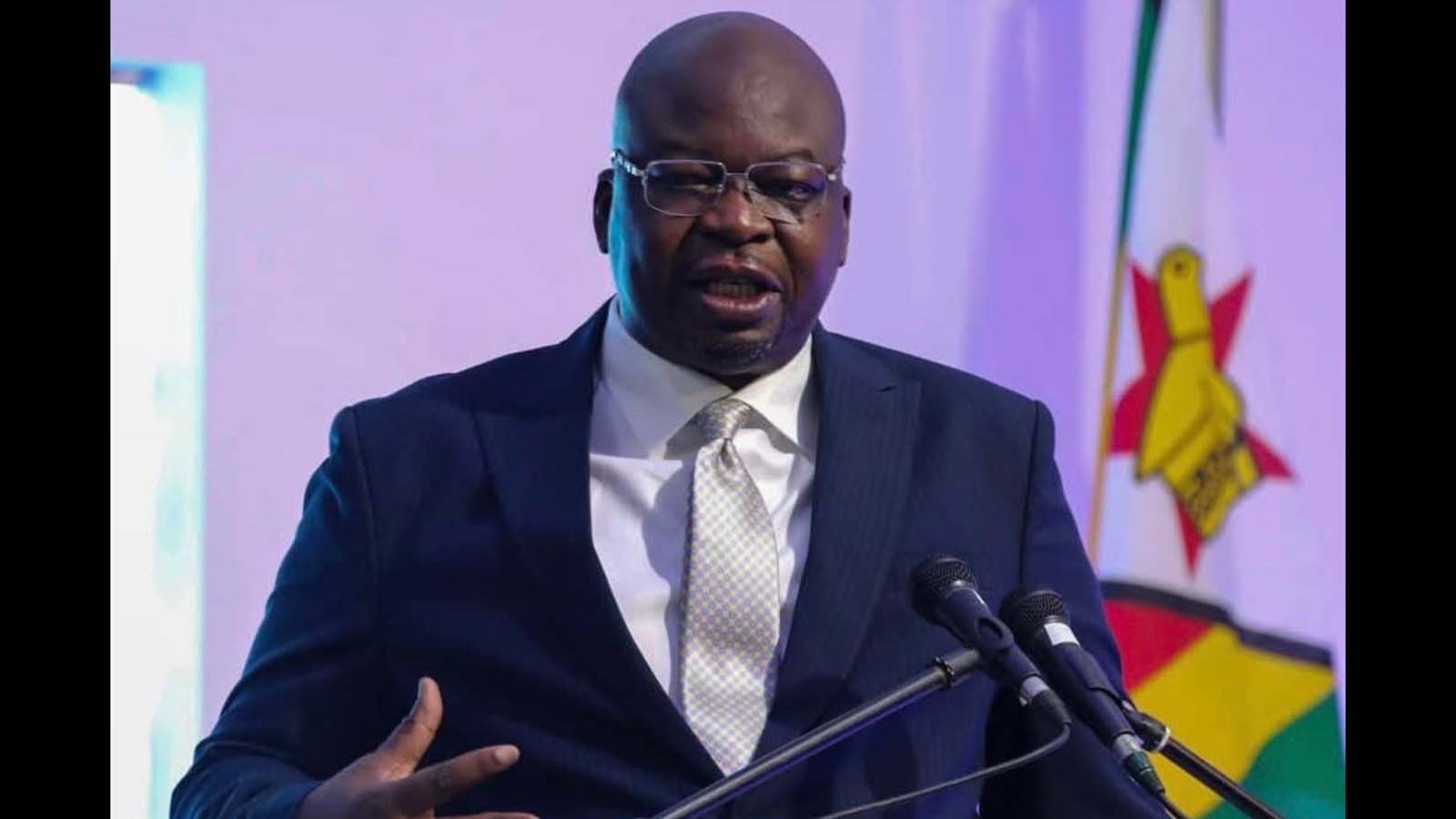
Doubt Shava
THE story of one man’s journey from humble beginnings to becoming Zimbabwe’s top finance official is a testament to the enduring power of hard work, integrity and visionary leadership.
When an 18-year-old George Guvamatanga walked through the doors of Barclays Bank in Harare, few could have predicted that this young man — who had briefly worked as a laboratory technician at Olivine through an apprentice programme — would one day become one of Zimbabwe’s most influential financial stewards.
Yet today, nearly four decades later, the man popularly known as GG stands as a towering figure in both Zimbabwe’s private and public sectors, having ascended from entry-level positions to become Permanent Secretary in the Ministry of Finance, Economic Development and Investment Promotion.
A banking career forged in excellence
Guvamatanga’s trajectory within Barclays Bank represents one of the most remarkable corporate ascents in Zimbabwe’s financial services history.
From humble beginnings as a junior employee, he demonstrated the kind of dedication and acumen that would eventually see him rise to become chief executive officer — a position in which he helped build a legacy and foundation of credibility that would define the institution.
His success at Barclays sent a powerful message to young Zimbabweans that hard work, perseverance and brilliance can overcome any obstacle.
In an era when many young people struggle to find their footing in the professional world, Guvamatanga’s journey stands as a beacon of possibility.
Answering the call to public service
When President Mnangagwa appointed Guvamatanga as Permanent Secretary in the Ministry of Finance, he brought to the role a wealth of banking experience that made him uniquely qualified to manage Zimbabwe’s finances during a critical period of economic reform.
His appointment came at a pivotal moment as the country sought to make a determined break with its troubled economic past and chart a new course towards stability and growth.
The banking expertise he accumulated during his private sector career positioned him perfectly to navigate the complex challenges of fiscal management and economic transformation.
Success
Under the leadership of President Mnangagwa, Treasury has witnessed unprecedented economic stabilisation.
And Guvamatanga’s tenure has been marked by several significant achievements that underscore his capability and the effectiveness of the reform agenda:
Single-Digit Inflation: Annual inflation averaged 4,4 percent from January to June 2026, now standing at just 2,9 percent — marking the first time in over three decades that inflation has remained at such low levels.
International Confidence: The International Monetary Fund approved the first review of the Staff-Monitored Programme, confirming the country’s macro-stabilisation progress and signalling renewed international confidence in Zimbabwe’s economic trajectory.
Economic Growth: Real GDP has surged on the back of strong performances in agriculture, mining and manufacturing. ZimStat revised GDP estimates upwards to US$44,4 billion, reflecting genuine economic expansion.
Export Boom: Merchandise exports jumped to US$10,2 billion, driven by gold, platinum group metals and lithium — demonstrating the country’s growing competitiveness in global markets.
Strong Growth Forecast: The 2026 GDP growth projection of 4,6 to 5 percent places Zimbabwe well above the global average of 2,6 percent, positioning the country among the fastest-growing economies in the SADC region.
2025 Economic Rebound: The economy grew an estimated 7,5 to 8,3 percent in 2025, driven by robust performances in mining, agriculture and remittances — a testament to the resilience of the Zimbabwean economy.
International Recognition: From July 1, 2026, the World Bank removed Zimbabwe from the Fragile and Conflict-Affected States list, citing stronger institutions and meaningful reforms.
Private sector success and nation-building
Guvamatanga’s success extends well beyond his professional responsibilities.
His private business interests, notably Victor Farm in Chivhu, which employs more than 300 workers, stand as one of Dairibord’s major suppliers.
Significantly, he acquired the farm through personal savings long before joining the public service — a fact that speaks to his long-standing entrepreneurial spirit and financial prudence.
This combination of public service and private enterprise reflects a model of nation-building that Zimbabwe desperately needs — one where capable citizens are encouraged to build businesses, create employment, invest, and contribute to national development.
Confronting the culture of cynicism
In recent months, there have been attempts by cynics to question Guvamatanga’s integrity, with claims that the Zimbabwe Revenue Authority — ironically an institution that falls under his purview — was investigating properties he purportedly owns in Borrowdale Brook.
Such allegations have been met with the appropriate derision they deserve.
Success is not a sin, and it is certainly not a crime to be wealthy while working for the Government.
Yet there persists a troubling tendency in Zimbabwe to question the achievements of successful black professionals, as if excellence and prosperity are somehow incompatible with public service.
This sick culture of trying to bring down fellow successful black Africans must be unlearned.
We must move beyond the belief that black people cannot be rich and successful in their own right.
George Guvamatanga is a celebrated banker whose rise to prominence was the result of hard work and sheer brilliance.
He duly earned his stripes in the banking sector, and his current portfolio in Government is a manifestation of his integrity.
As Zimbabwe continues its journey towards sustained economic prosperity, it needs leaders like Guvamatanga — individuals who have proven their mettle in the private sector and brought that expertise to bear on the challenges of public service.
His tenure at Treasury demonstrates that professional competence, combined with unwavering commitment to reform, can deliver tangible results for the nation.
In the end, facts must prevail over speculation, and evidence must prevail over political narratives.
Zimbabwe needs to take time to build the nation and put energy into promoting a positive national agenda centred on development, growth and prosperity for all.
*Doubt Shava is a political analyst


 Bongani Ndlovu