
Theseus Shambare in MUTOKO
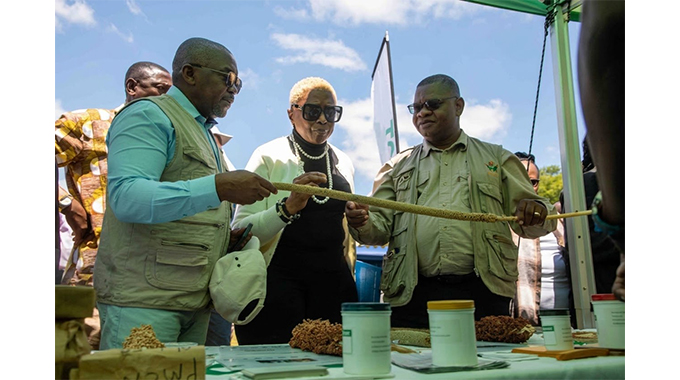
BELATED World Food Day commemorations are set to be held at Chitora Irrigation Scheme in Mutoko, Mashonaland East province, today as the country seeks to strengthen food security, promote climate-smart agriculture and build resilience against climate change.
World Food Day is observed annually on October 16, marking the anniversary of the founding of the Food and Agriculture Organisation of the United Nations (FAO) in 1945.
This year’s national commemorations are being held after the global observance.
Permanent Secretary in the Ministry of Agriculture, Mechanisation and Water Resources Professor Obert Jiri is expected to officiate at the event, which will bring together Government, development partners, farmers and other stakeholders in the sector.
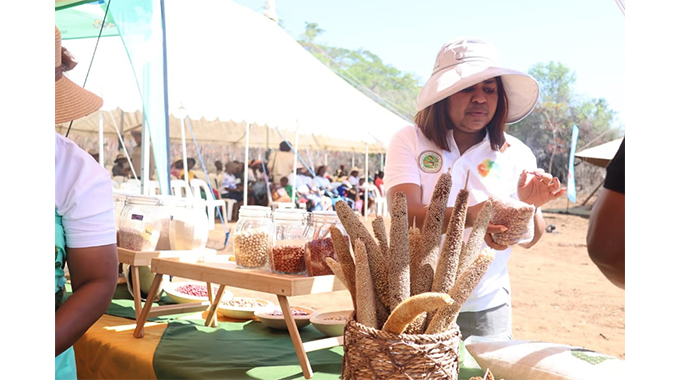
The commemorations come as the country finalises preparations for the 2026/27 summer cropping season, with renewed emphasis on traditional grains, including sorghum, pearl millet and rapoko, as part of strategies to mitigate the effects of increasingly erratic rainfall.
The choice of Chitora provides an opportunity to showcase the contribution of irrigation development to agricultural production, particularly as farmers seek to reduce their dependence on rain-fed agriculture.
The 37-hectare Chitora Irrigation Scheme supports approximately 74 smallholder farmers, each cultivating plots averaging half a hectare, with production centred on high-value horticultural crops such as tomatoes, onions, carrots, peas, fine beans, butternuts and green peppers.
Drawing water from the Chitora River, the scheme has become an important source of agricultural livelihoods, with farmers supplying produce to regional markets and using proceeds to support household needs, education and infrastructure development.
The commemorations are being organised by the Ministry of Agriculture in collaboration with the Rome-based United Nations agencies, the World Food Programme (WFP), Food and Agriculture Organisation (FAO) and International Fund for Agricultural Development (IFAD).
Ahead of the event, field visits showcased community-led interventions in Mutoko, including conservation agriculture, traditional seed promotion, nutritional gardens, water harvesting, poultry production and agro-processing.
The initiatives highlight the importance of diversifying agricultural production, strengthening household nutrition and developing alternative income sources as Zimbabwe works towards sustainable food security.