Online Reporter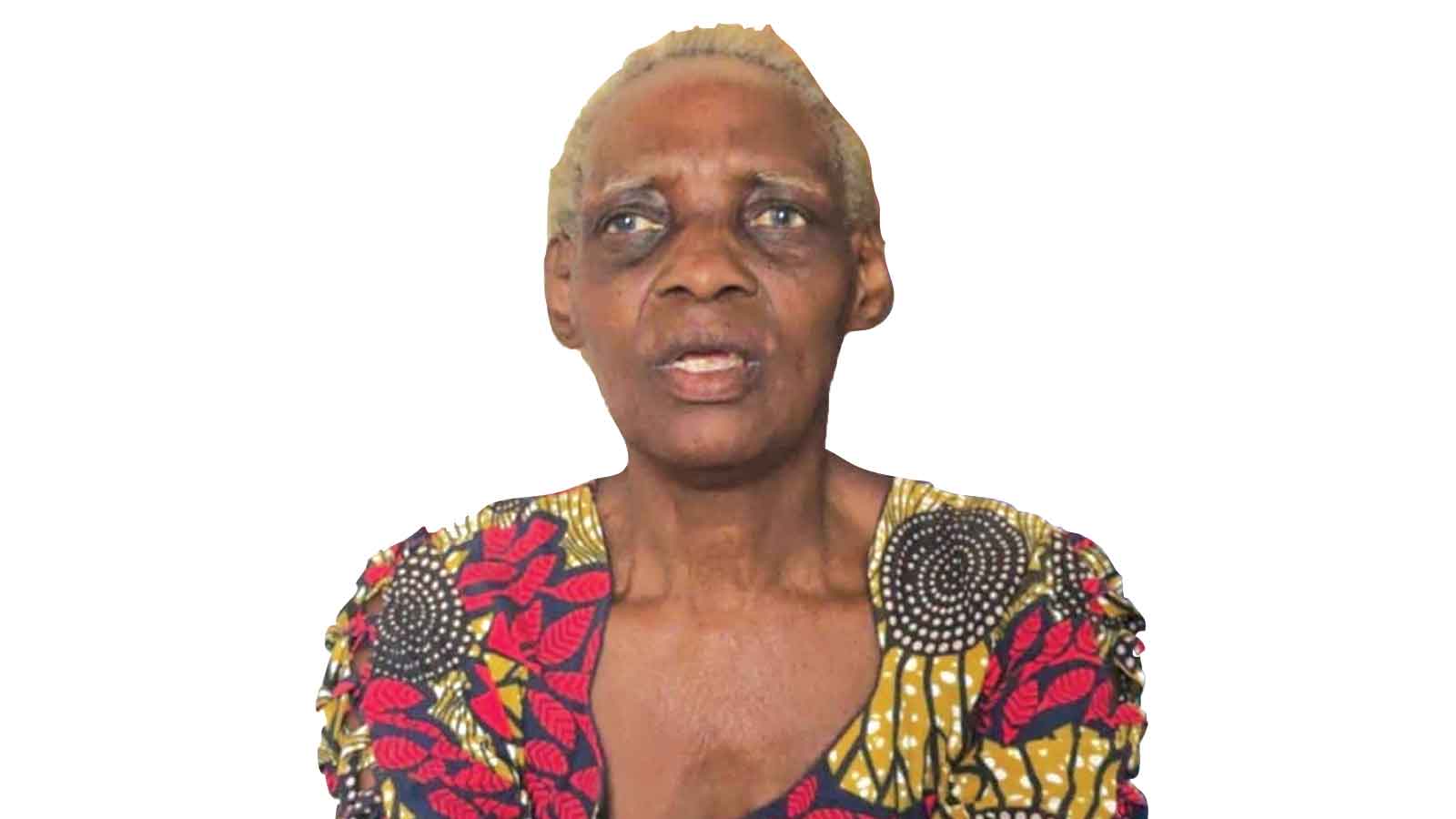
Last week, one of the first female cadres to join the liberation struggle, CDE NANCY MUSIYIWA, whose Chimurenga name was Cde Muchaneta Mabhunu, recounted the traumatic incident in which her stepfather was brutally attacked and left for dead by freedom fighters who had accused him of being a sellout. In her conversation with the Zimpapers Politics Hub’s KUDA BWITITI, Cde Musiyiwa explained how, despite witnessing the horrific attack, she decided to join the liberation struggle. This week, she takes us through what happened next.
***************
Q: You convinced the comrades to go with you, yet they wanted to attack your step-uncle. Did you succeed in stopping them from attacking him?
A: My intention, before proceeding with the comrades, was to first save my stepfather’s brother, Uncle Ben.
I did not want him to experience the severe beating my stepfather had endured. So, I came up with an ingenious plan, which had to be executed swiftly and without detection. As we were walking to my step-uncle’s house, which was not far from where I was living with my stepfather, I moved to the front. Remember, this was a large group of more than 30 people, and one could not easily tell where the other person was going. So, I managed to seize a moment to dash to my step-uncle’s house without detection from the comrades that I was now walking with. It was very dark and easy to avoid detection. I managed to get to his wife’s room and advised her to tell her husband to hide.
I told her not to ask questions, but just do as I said or her husband would die.
After telling her this, I quickly returned to rejoin the group.
Q: So, they were not able to find your step-uncle?
A: Yes, when they asked his wife, she said he had gone to Salisbury after they had returned from church earlier that day. Fortunately, they did not interrogate her further because they looked for him briefly in other rooms and did not find him.
So, that was how I managed to save my stepfather’s brother from being beaten by the comrades.
Otherwise, he would have been left for dead, just like what happened to my stepfather.
Q: How did you proceed with the journey?
A: Around midnight, it was decided by the comrades that the news of what had happened, in terms of the beating of my father, could easily spread fast in that area.
If that happened, we would be attacked by enemy soldiers.
So, they said we had to move during the night.
If we waited for the morning to start moving, we would be easily ambushed.
We were now 29 recruits — 12 females and 17 males.
The comrades feared for our safety because, as recruits, we did not have any experience whatsoever in military combat and we would perish in the event of a battle with enemy forces.
We got to an area between Kutsonga and Chakoma in Dotito, Mt Darwin.
This area was a valley.
We decided to take a rest there because from that place, we would be able to hide from enemy soldiers.
Q: Having left home so abruptly, had you carried any valuables or adequate clothing for what was to be a long journey?
A: No, I only had with me the dress that I was wearing, some canvas shoes, a pocket mirror and my Bible.
This is all that I had carried.
Later on, the comrades confiscated my pocket mirror, because there was a risk that it could expose us to the enemy.
So, we slept in that valley until about 5 the next morning.
The comrades planned that we could continue with our journey, heading to the Mapata area, where we would be able to connect to Mavuradonha.
Q: How long was this distance?
A: As the comrades were speaking, we were actually not aware of the distance; we assumed it was a short distance, only to learn later that this journey we started would stretch for hundreds of kilometres and would be five months long.
Q: So, you walked for five months?
A: Yes, the total distance lasted five months, from Mt Darwin to Zambia.
I will speak about that later because I want to talk about what happened on the first morning of our journey.
Q: Please carry on.
A: Around 6am, enemy soldiers arrived at that area where we had sought refuge.
They were surprised to see us.
We were lucky that, upon their arrival, they just spotted us, females first.
So, they did not assume that we were recruits.
The comrades had remained behind a short distance from us.
However, after crossing a field, things took a dramatic twist.
A gun battle ensued.
The enemy soldiers spotted the comrades, who also started firing back.
The enemy soldiers also started firing at us.
It was the first time anyone had ever shot at me.
Since we had not experienced a gun battle, we lifted our hands, in what was a naïve attempt to try and block the bullets.
The comrades advised us to stop that, otherwise we would get injured or killed.
However, what I am most proud about is that amazingly all of us in that group survived.
Q: How did you survive?
A: The comrades had advised us not to block gunfire with our hands but to use trees to hide whilst running.
So, that is the tactic that we used, as we were running for our dear lives from the gunfire.
After surviving that ambush, we were able to learn what had caused the enemy forces to attack us.
Next week, Cde Musiyiwa explains the circumstances that led to this ambush as well as the journey to Zambia.