Business Correspondent
TOURISM experts, policymakers and industry leaders meeting at the recent Session of the Intergovernmental Committee of Senior Officials and Experts (ICSOE) for Eastern and Southern Africa in Namibia have called for stronger regional integration, improved air connectivity and simplified travel procedures to unlock the tourism sector’s full contribution to economic growth and job creation.
The discussion, focused on the State of Tourism in Eastern and Southern Africa and brought together representatives from the tourism, aviation and regional integration sectors.
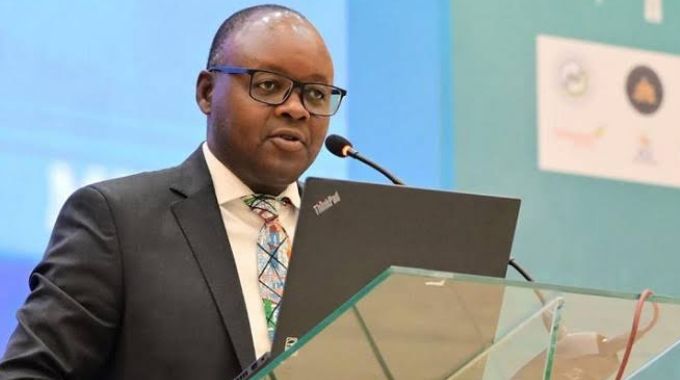
Presenting the United Nations (UN) Economic Commission for Africa’s analysis, Mr Geoffrey Manyara noted that tourism continues to play a critical role in both regions.
In 2025, tourism contributed approximately US$102 billion, representing around 45 percent of Africa’s tourism economy, while generating about 26 percent of the continent’s tourism-related employment.
Capital investment in tourism reached US$14 billion, equivalent to 38 percent of Africa’s tourism investment, according to official reports.
The two regions received about 60 million international tourist arrivals in 2025, accounting for more than half of all arrivals to Africa. Tourism receipts on one hand reached approximately US$26 billion, highlighting the sector’s growing importance for economic diversification and foreign exchange earnings.
Despite this progress, participants highlighted persistent barriers that continue to limit tourism growth, including high travel costs, cumbersome visa requirements and limited air connectivity.
According to Maureen Kahonge, Director of Commercial and Communications at the African Airlines Association, only one in five city pairs in Africa has a direct daily flight, forcing many travellers to transit through destinations outside the continent.
She emphasised that improving intra-African connectivity is essential for expanding tourism and trade.
Kwakye Donkor, chief executive officer of African Tourism Partners, called for greater investment in tourism infrastructure and stronger political commitment to tourism development.
“Tourism is one of the few sectors capable of generating large-scale employment and economic opportunities. We need stronger advocacy and investment to ensure that tourism receives the attention it deserves in national development planning,” he said.
Meanwhile, Charmaine Matheus, chief of marketing at the Namibia Tourism Board, stressed the need for African destinations to differentiate themselves and leverage cultural tourism, sports tourism and creative industries to attract visitors.
The discussion formed part of ICSOE 2026, which has brought together delegates from 25 countries to explore practical solutions for strengthening connectivity, trade and investment between Eastern and Southern Africa.