Ivan Zhakata
Herald Correspondent
THE State of Palestine has condemned continued Israeli military operations in Hebron in the occupied West Bank, saying about 3 000 Palestinians have been displaced as raids and restrictions enter their fourth consecutive day.
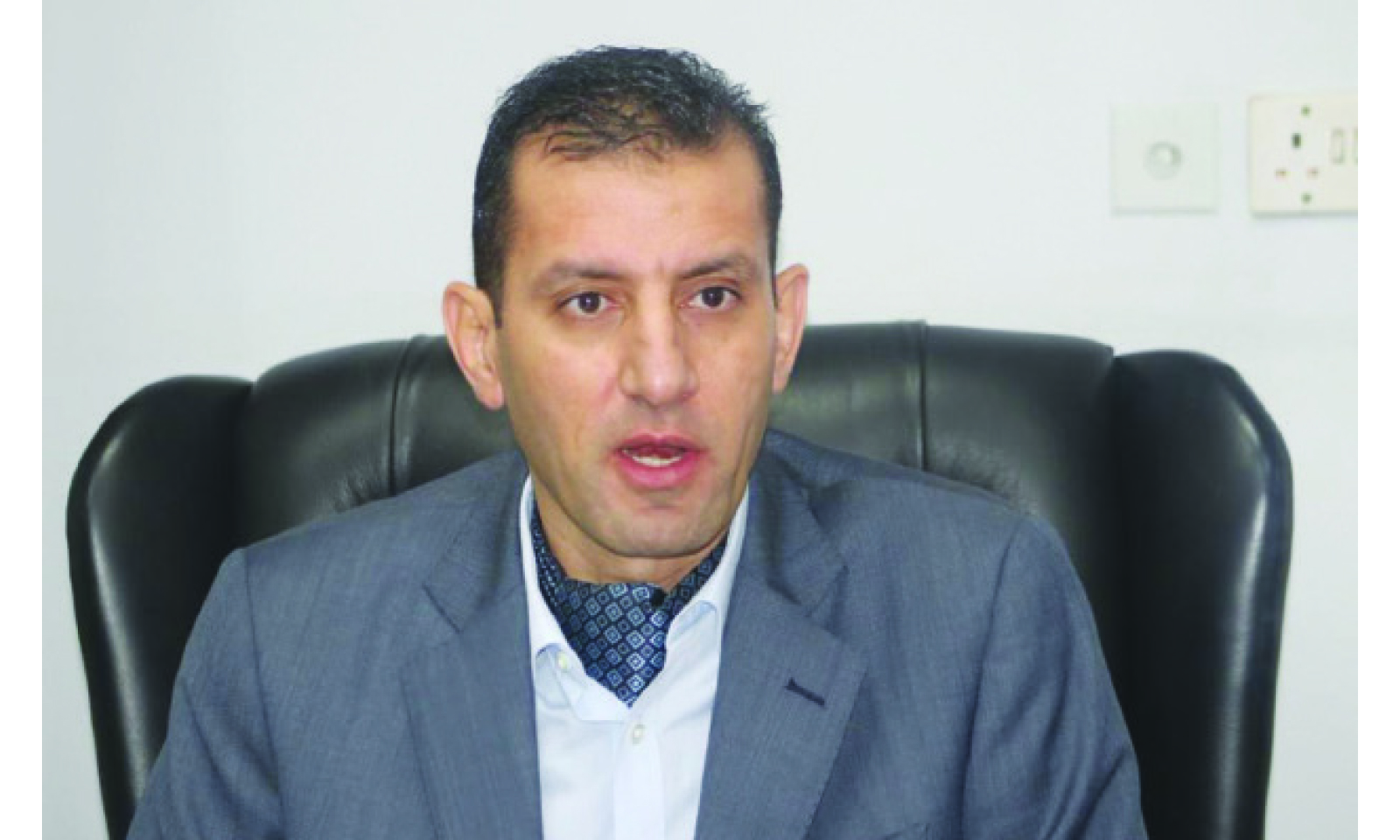
In a statement, Ambassador of the State of Palestine to Zimbabwe Dr Tamer Almassri said the operations have been characterised by intensified raids, military reinforcements, sweeping closures, the seizure of Palestinian vehicles, assaults on civilians and forced displacement.
“These measures have caused a severe deterioration in humanitarian and living conditions, restricting residents’ movement, disrupting livelihoods, and placing an unbearable burden on displaced and affected families,” he said.
Ambassador Almassri accused Israel of extending its campaign against Palestinians in Gaza to the West Bank city.
“Approximately 3 000 Palestinians have been displaced from Hebron, as Israel extends its campaign of ethnic cleansing to the West Bank city, as it has done to Gaza,” he said.
He said demolitions, mass displacement and collective punishment of Palestinians constituted flagrant violations of international humanitarian law and the Geneva Conventions.
Ambassador Almassri also condemned the continued closure of the Ibrahimi Mosque, also known as the Sanctuary of Abrahha and restrictions on worshippers seeking access to the holy site.
He described the measures as “a blatant assault on freedom of worship and the sanctity of holy places”.
Ambassador Almassri called on the international community and the United Nations Security Council to take immediate and effective action to halt the operations in Hebron and prevent the forced displacement of residents.
He also called for accountability for alleged violations committed by Israel, which he described as the occupying power, and urged the provision of urgent international protection for the Palestinian people.
The reported displacement and movement restrictions have further worsened conditions for affected families, disrupting livelihoods and access to essential services.