Vusumuzi Dube
Trust Freddy, [email protected]
THE Government has issued a stern warning to parents and guardians to exercise heightened vigilance against examination fee fraudsters as the registration cycle for the 2026 national school examinations approaches its final stages.
The alert follows a worrying trend in which proprietors of emerging private schools are accused of diverting registration funds, leaving learners in possession of fake statements of entry and facing ruined academic prospects.
The warning comes after Government last week extended the November registration deadline for the 2026 Zimbabwe School Examinations Council (ZIMSEC) Advanced and Ordinary Level examinations from March 27 to May 22.
In an interview, Ministry of Primary and Secondary Education spokesperson Mr Taungana Ndoro urged parents and guardians to verify that institutions enrolling learners are properly registered as either ZIMSEC or Cambridge examination centres.
“All parents should take note that the registration deadline for June ZIMSEC 2026 examinations was 27 February. This is the time to verify. We urge parents to ensure they receive statements of entry with official ZIMSEC stamps and fonts. You are free to verify these directly with ZIMSEC,” said Mr Ndoro.
Mr Ndoro stressed that learners attending non registered schools must be registered as private candidates at approved examination centres, including Government schools, council schools or duly registered private colleges.
He also encouraged parents and guardians to physically visit such centres to confirm their children’s registration status and avoid last minute surprises.
The Government’s warning follows reports that hundreds of learners have been left stranded over the past two years after paying examination fees to unregistered or unscrupulous institutions.
Investigations indicate that some school proprietors allegedly diverted registration fees for personal use while issuing fake statements of entry to unsuspecting parents and guardians.
In one incident, Destiny Achievers College allegedly failed to register 33 students for their 2024 examinations after misappropriating their fees, later attempting to conceal the fraud by administering a “fake” examination using photocopied revision papers.
In another case, more than 40 students from Knowstics Academy in Nyanga were left stranded as they commenced Lower Sixth after the institution allegedly failed to remit examination fees.
The British Council subsequently withheld their Cambridge Ordinary Level results after the school allegedly failed to remit US$41 272 in examination fees.
The students had registered for an average of 10 subjects each, with science subjects costing US$136 and other subjects US$122.
Although the learners eventually sat for their examinations after a payment arrangement was negotiated, they endured an anxious wait before their results were released following Government intervention.
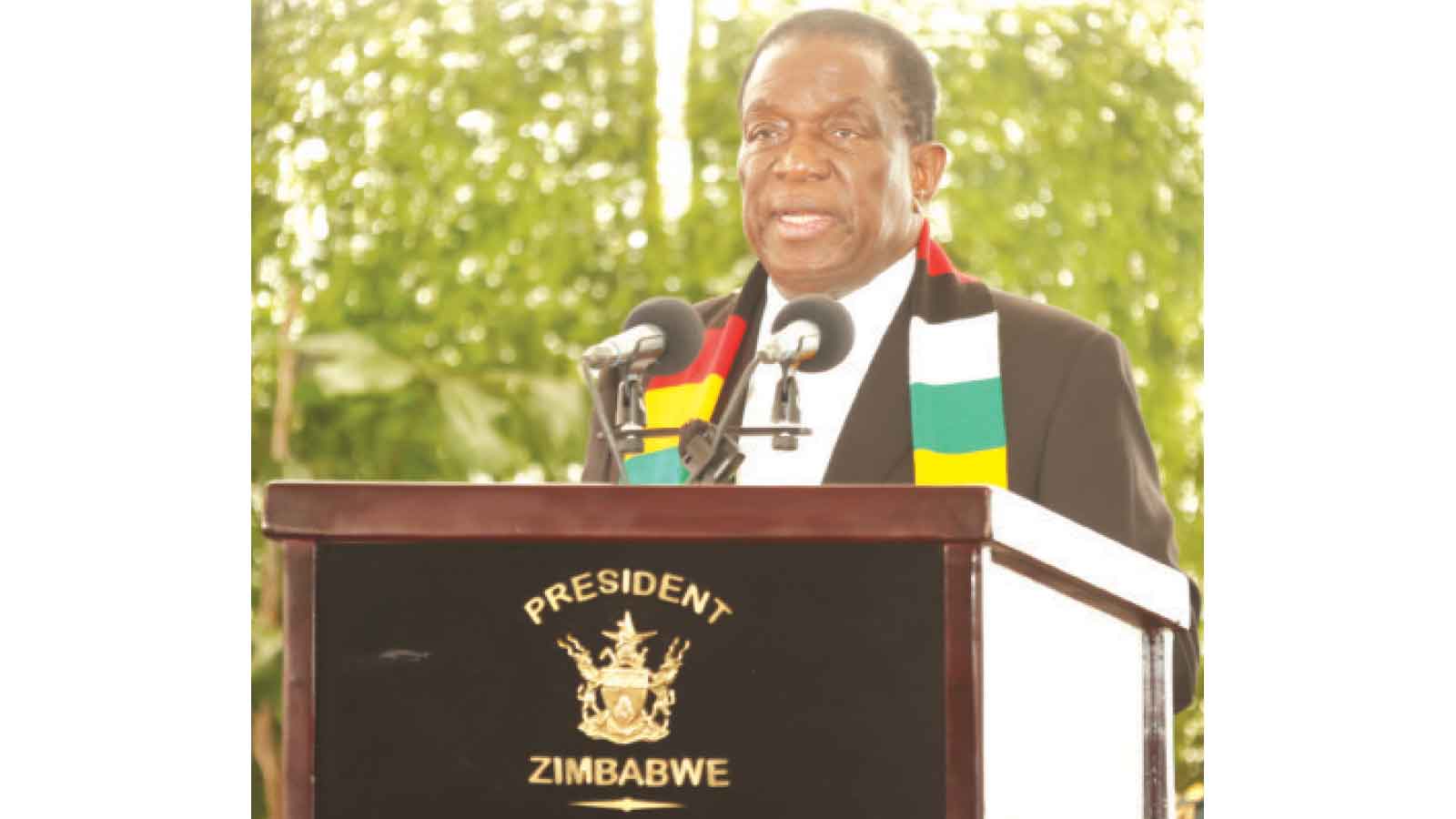
In November 2024, President Mnangagwa intervened to assist more than 30 learners from Findale School in Eastview, Harare, after they missed the start of their Ordinary Level examinations.
The learners had been issued fake statements of entry and only discovered on the day of their first ZIMSEC examination that no fees had been paid. The President personally covered their fees for the remaining subjects.
In a separate incident, the head of Dombojena Primary School in Shurugwi was arrested for allegedly misappropriating more than US$1 700 in ZIMSEC examination fees.
Emmanuel Hove (52) appeared before Shurugwi magistrate Ms Patricia Gwetsai on fraud charges after allegedly squandering US$1 745 intended for 77 candidates.
As Dombojena Primary School is not an official examination centre, Hove was required to register the pupils at Railway Block Primary School.
The fraud was uncovered when the deputy head visited the registration centre and discovered that no payments had been processed.
Authorities say the incidents underline the critical need for parents and guardians to verify examination registrations directly with ZIMSEC and ensure payments are made only to authorised institutions, to safeguard learners from falling victim to fraud.



 Online Reporter