Fungi Kwaramba in MOSCOW, Russia
PRESIDENT Mnangagwa has called on African countries to harness their fast-growing economies, abundant natural resources and youthful, entrepreneurial population alongside Russia’s development trajectory and advanced technology to accelerate industrialisation, skills development and sustainable economic growth.
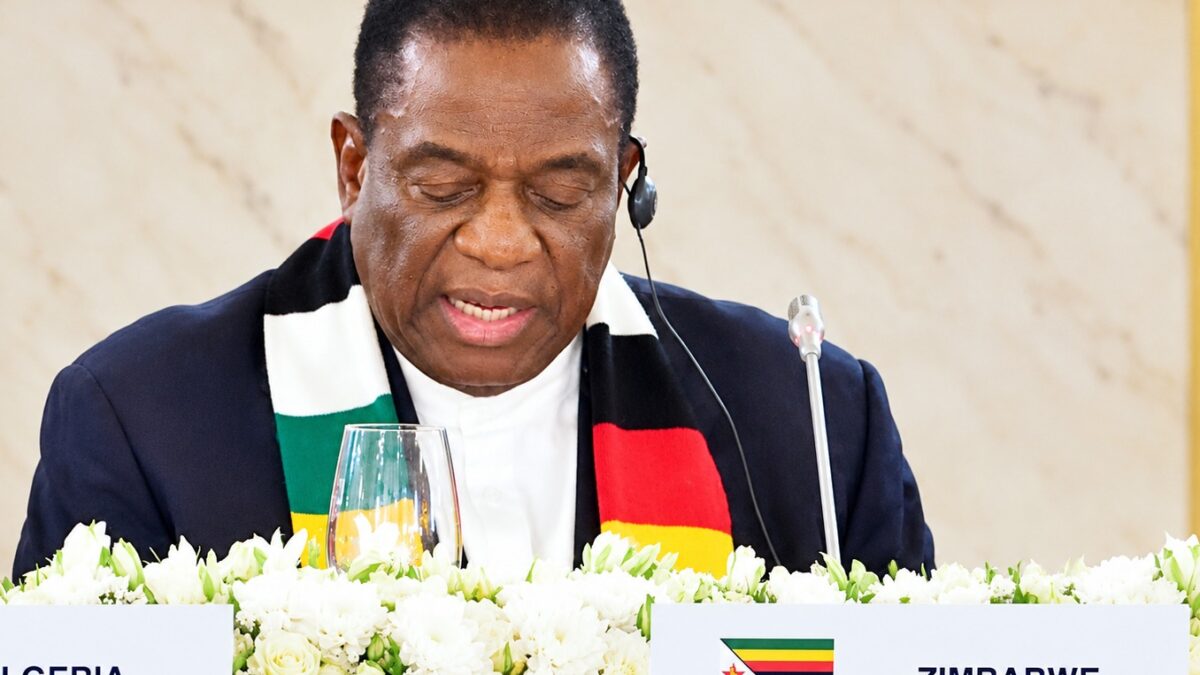
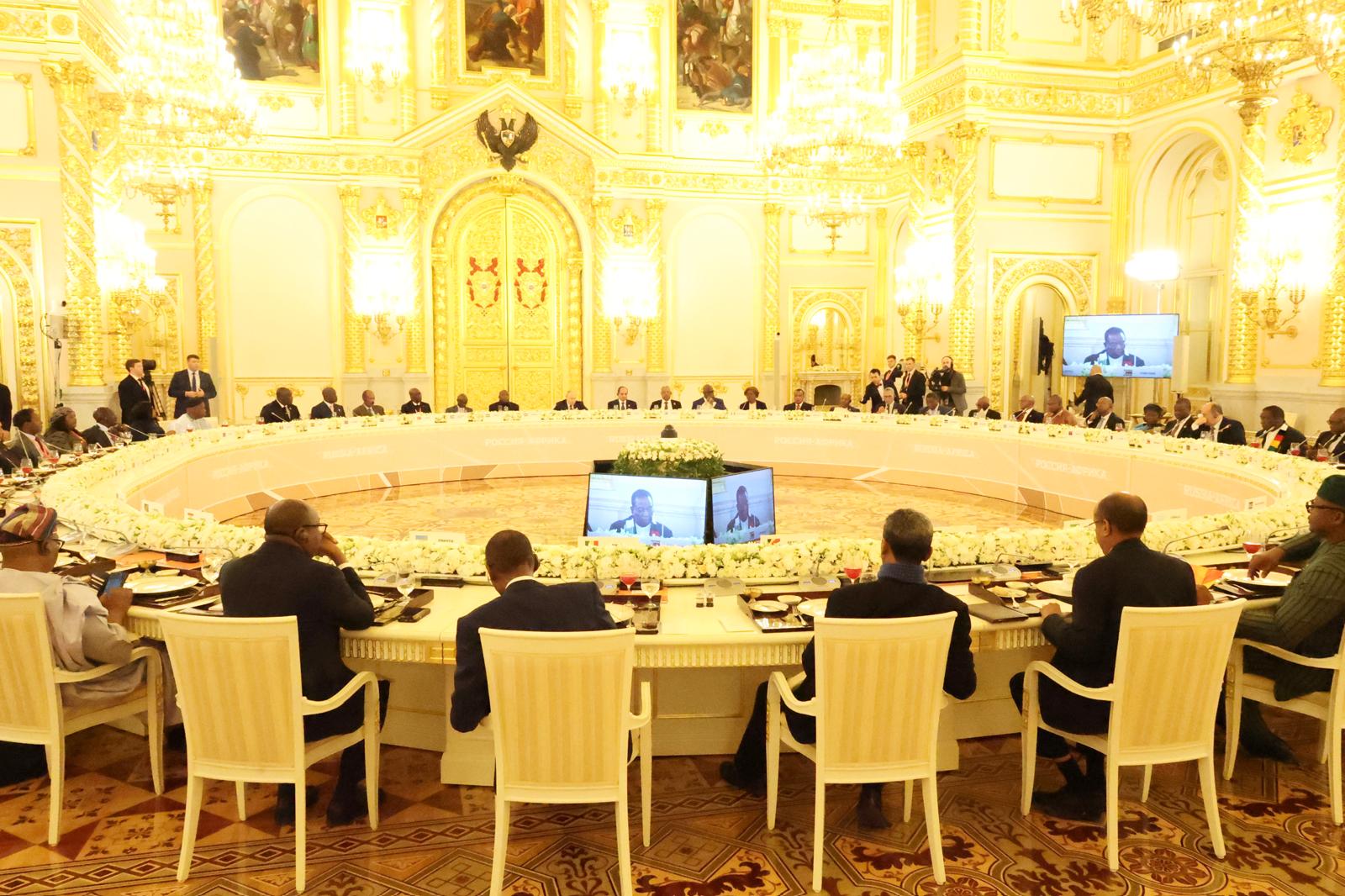
Addressing the Russia–Africa Summit in Moscow yesterday, President Mnangagwa said the complementary strengths of Africa and Russia should be translated into practical cooperation that improves the daily lives of ordinary people.
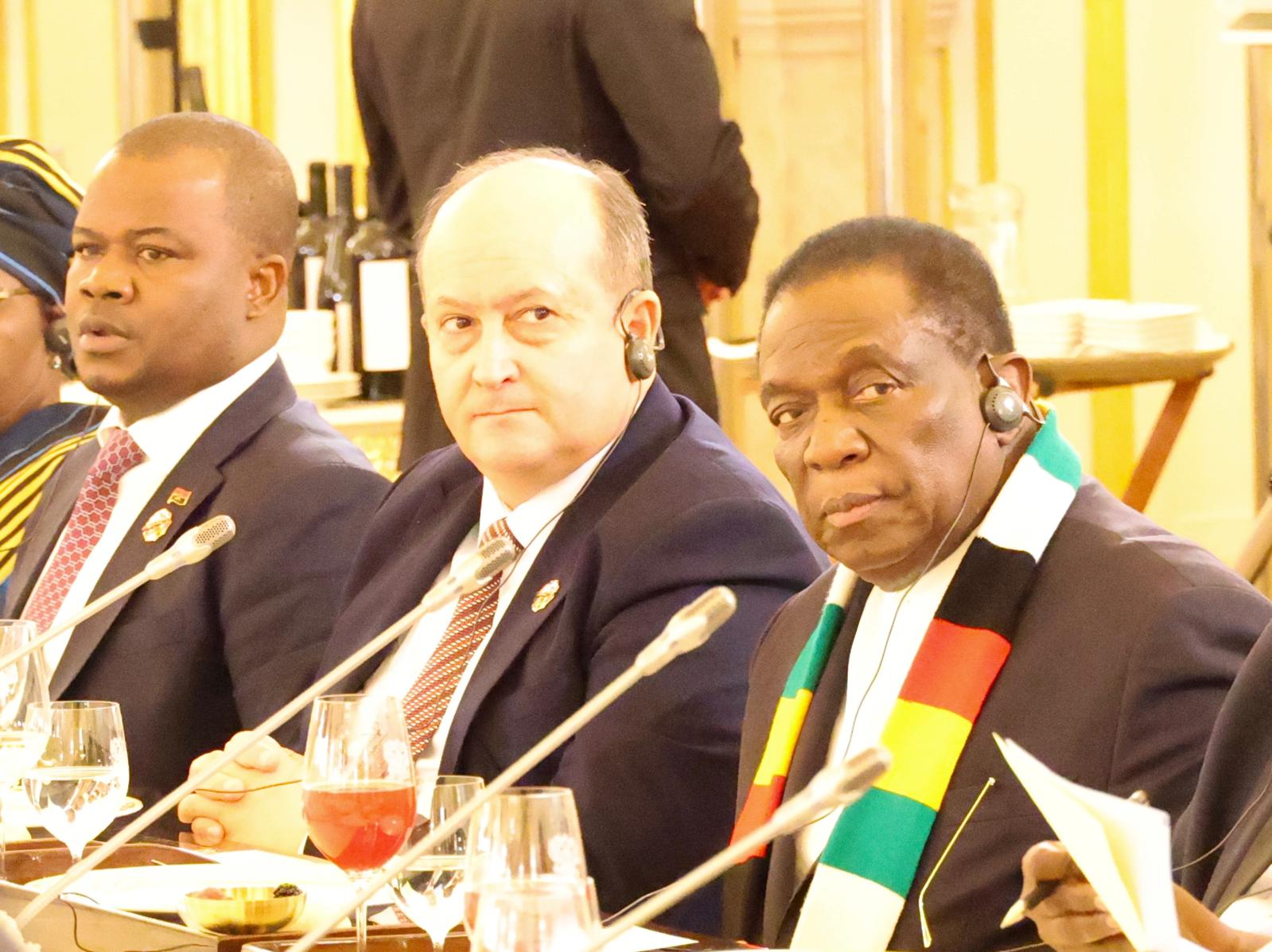
In his address at the plenary session, the President also acknowledged with pride Russia’s support and solidarity with Africa’s liberation struggle and the continent’s ongoing development journey.
President Mnangagwa recalled that seven years ago African and Russian leaders gathered in Sochi under the banner of peace, security and development and resolved to give structure to long-standing fraternal bonds. At St. Petersburg in 2023, he said, the partnership was consolidated through the adoption of an action plan for 2023–2026.
“The strategic cooperation won from this platform now spans across the whole spectrum of human endeavour,” he said.
“Today, we have yet another opportunity to advance mutually beneficial development while also safeguarding our independence and sovereignty, as well as the ongoing quest for a peaceful, fair and just global order.”
The President said exhibitions and conversations on the sidelines of the summit demonstrated the strength of the Russian state, including modern digitalized public administration systems and scientific and industrial capabilities driven by ground-breaking artificial intelligence innovations and niche technical expertise.
Africa, he added, can leverage its fast-growing economies, abundant natural resources, young and vibrant entrepreneurial population and expanding markets by harnessing Russia’s development trajectory.
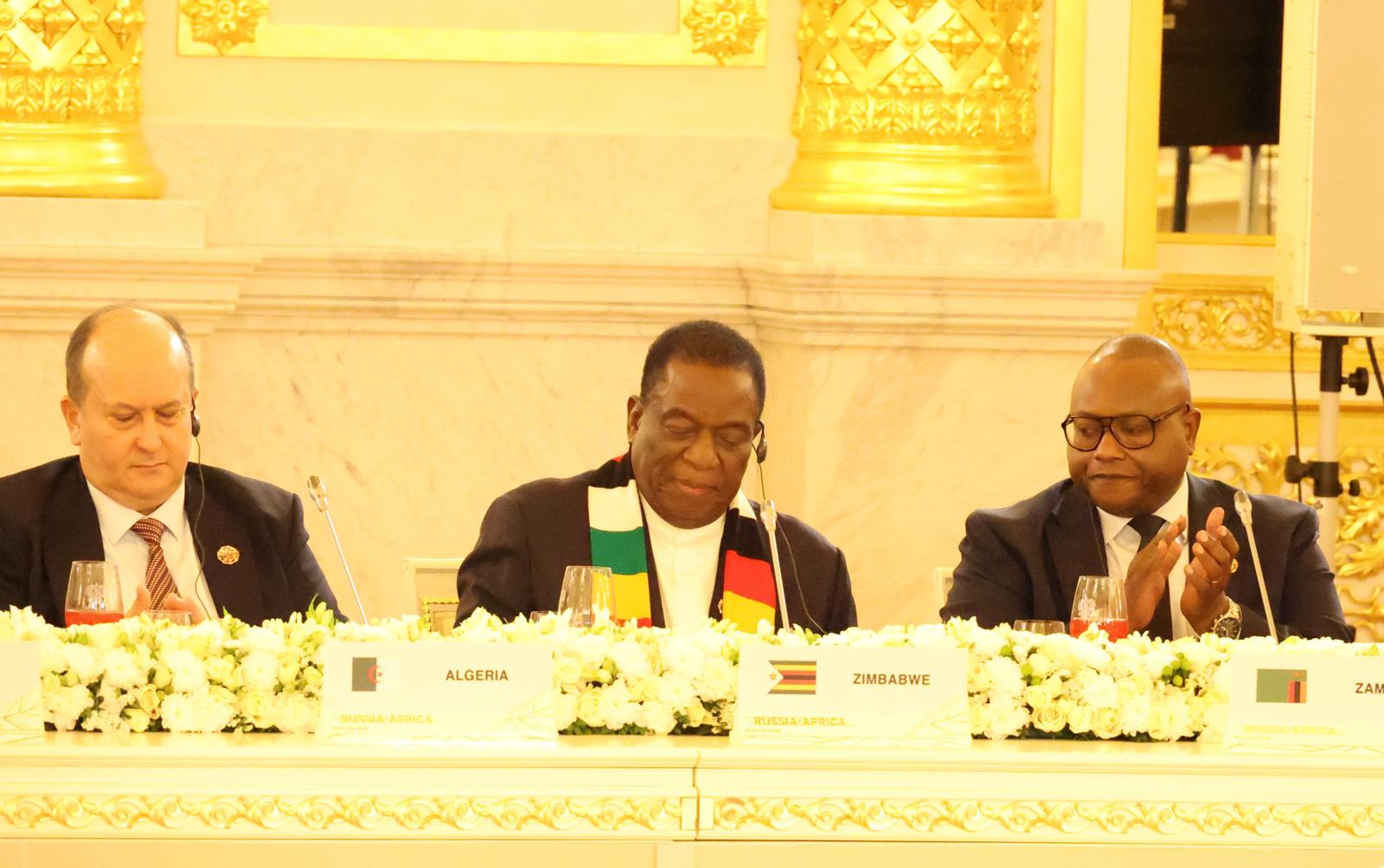
“Ultimately, the complementary strengths of our cooperation should scale up Africa’s industrialisation, technology sharing, innovative skills development, sustainable economic development and transformative impacts to the daily lives of our people,” President Mnangagwa said.
Turning to Zimbabwe, he said the country is “open for business,” citing macroeconomic stability, structural transformation, 8.3 percent GDP growth and single-digit inflation.
The President said his Government remains focused on strengthening productivity and increasing investment, value addition and beneficiation across all economic sub-sectors.
Apart from that, President Mnangagwa said his administration stands ready to increase Russian backing for green projects, including green energy generation and distribution, transport and logistics for improved trade routes, and production and processing in emerging industries.
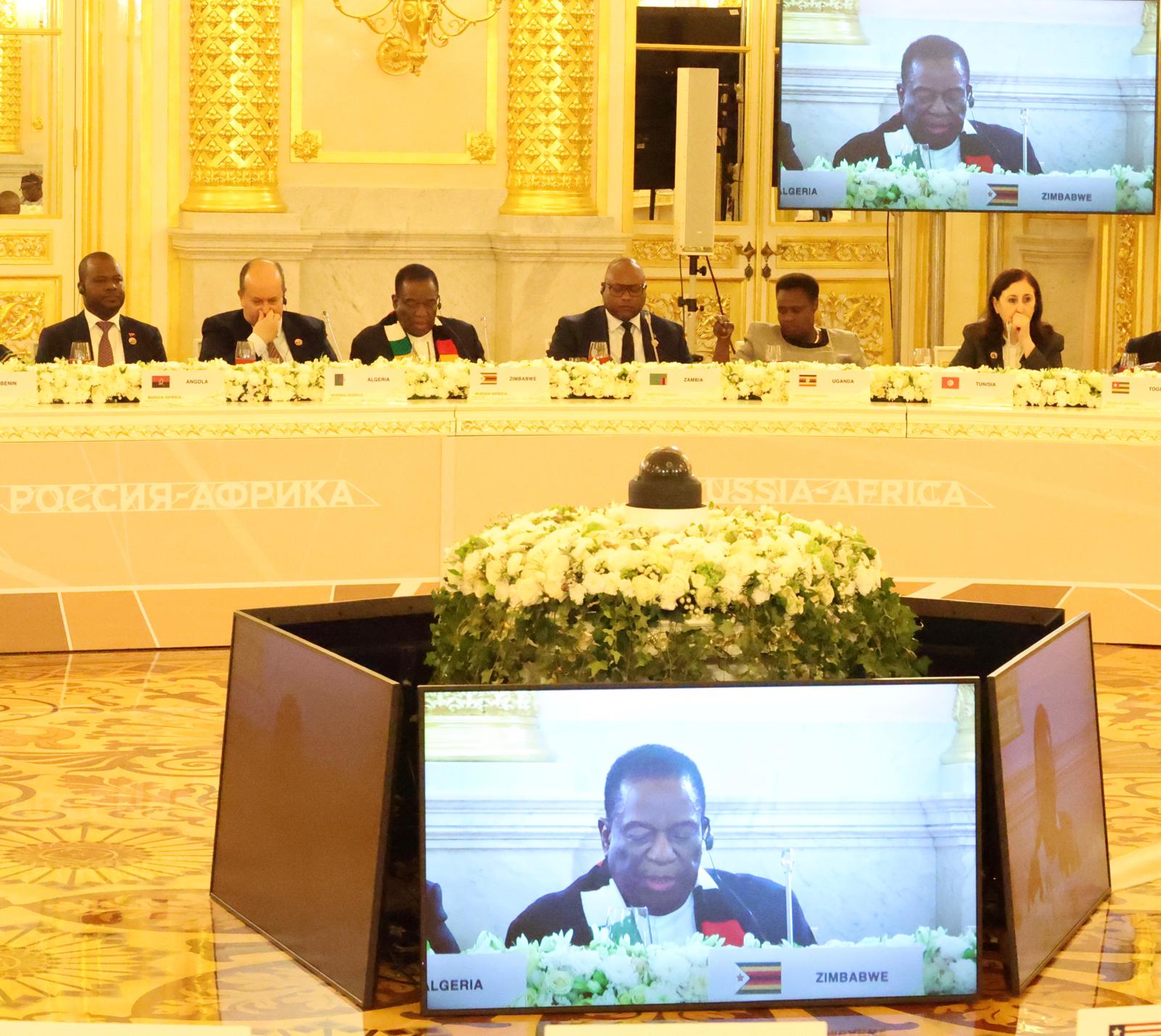
Zimbabwe, he added, is equally keen to expand the investment footprint of Russian entities in the high-tech and digital communication technology sector.
He said such cooperation would benefit not only Zimbabwe but the wider sub-region, and proposed greater business-to-business engagement, with governments playing a facilitative role.
The President also highlighted the dangers of climate change and the need to build greater resilience and adaptation to guarantee food security and sovereignty.
He said Zimbabwe looks forward to diversifying partnerships in the agro-industrial sub-sector.
On artificial intelligence and cybersecurity, he said Russia’s advancements in the field should unlock practical collaboration through Africa’s universities, research institutions, technology companies and both public and private sector entities.
On the global stage, the President said Zimbabwe will use its 2027-28 tenure as a non-permanent member of the United Nations Security Council to work constructively toward a just global order rooted in the UN Charter.
The President made this call as Moscow and African capitals deepen a shared push for a more multipolar international system.
“Zimbabwe expresses gratitude to the Russian Federation and the global community for voting for Zimbabwe to serve as a non-permanent member of the United Nations Security Council for the 2027 to 2028 term. We shall work constructively with all member states in calling for a just global order and on the principles and purposes enshrined in the United Nations Charter. Zimbabwe, as the current Chair of the Commission, looks forward to continuing close liaison with the Russian Federation and African partners on matters that advance value and appreciation as well as integration, increased intra-Africa trade and participation of Africa in global value chains,” he said.
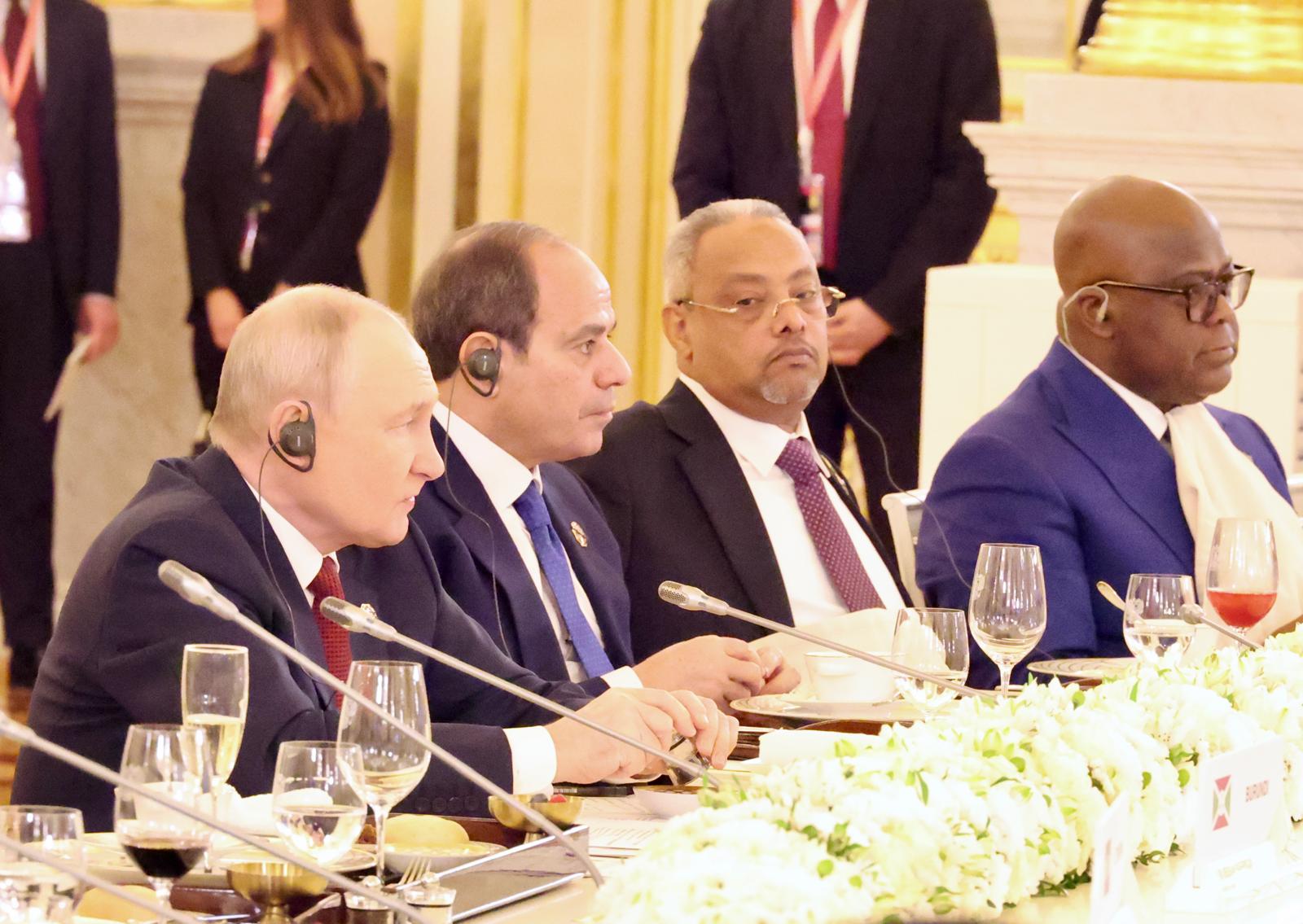
The third Russia-Africa Summit, held at the Grand Kremlin Palace under the motto “For Peace, Security and Development,” drew 48 African countries, with about 20 represented by their heads of state.
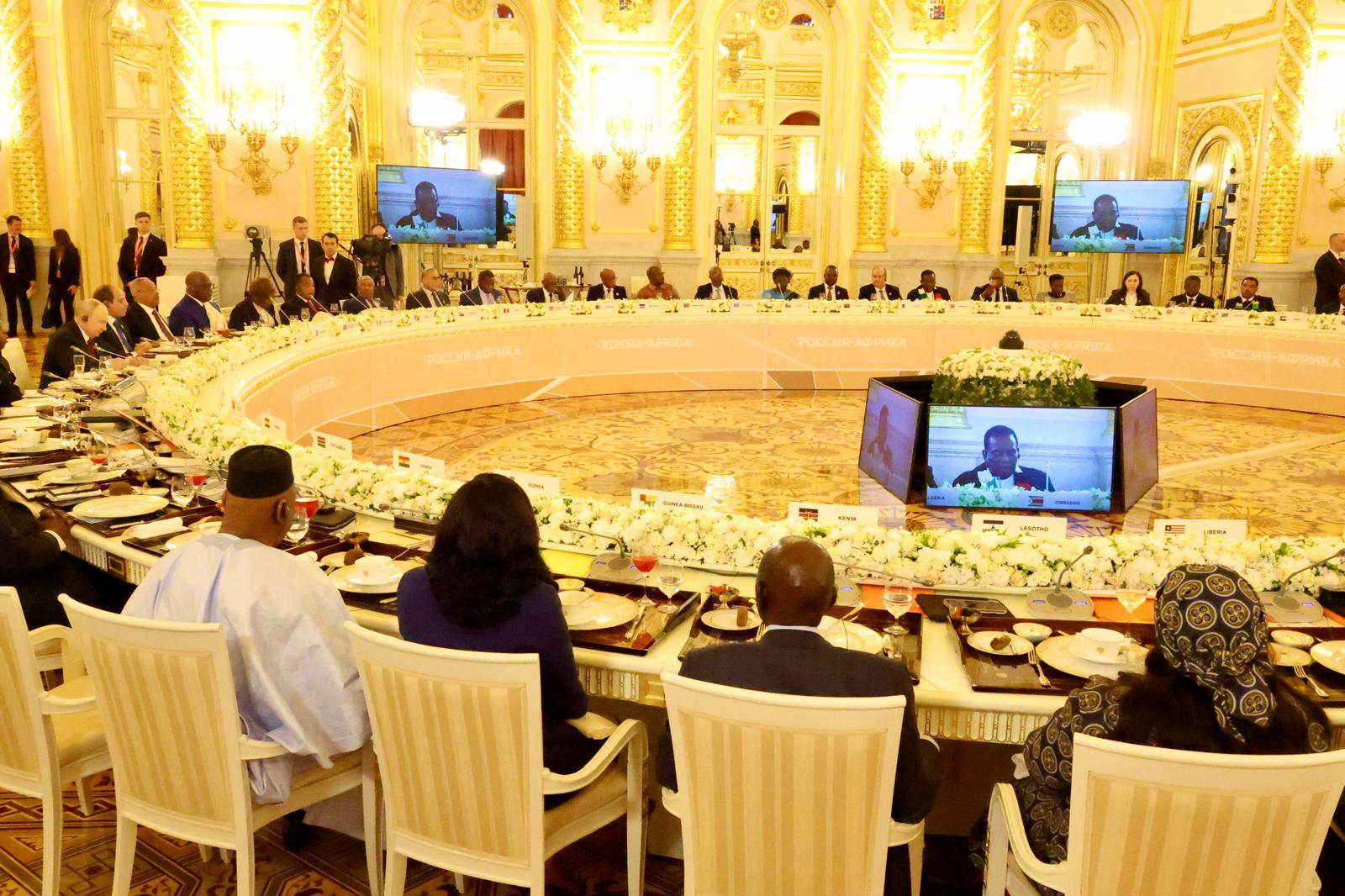
The agenda covered politics, defence, technology, trade and investment, technology transfer, food and energy security, health, education and youth exchange.
The President also invoked the African philosophy of Ubuntu to underscore the interconnectedness of nations.
“The African philosophy of Ubuntu — I am because you are — reminds us that our humanity is intricately bound to the humanity of others.
“In a world increasingly shaped by hegemonic tendencies, intelligent machines, climate change and complex global dynamics, may we continue to consolidate this Russia-Africa Forum as a platform for shared peace, development and prosperity of our peoples for both the current and future generations. God bless you all. I thank you for your kind attention,” he said.
Turning to young people, a dividend that Africa possesses in abundance, the President invited investors to tap into Zimbabwe’s health, education and cultural heritage sectors.
“Fast-track young people to tap into the advantages presented by the ongoing technological revolution. We note with admiration the progress made with regard to social services, health, education, human rights and the preservation of cultural heritage in the Russian Federation. Zimbabwe welcomes investments and synergies in these areas.
“The increase in the number of scholarships offered to African students is appreciated. This reflects Russia’s commitment to ensuring that our young people have the appropriate skills for the future, relevant to an Africa which is now taking its place in the global economy. Cultural cooperation must see two-way people-to-people exchanges, with both Russian and African young people
visiting each other to learn our unique languages, cultures and environments,” said the President.
Last night, President Mnangagwa was at the Kremlin, where he held bilateral talks with Russian President Vladimir Putin. Meanwhile, the President is expected to depart Moscow for Harare today.