Stephen Mpofu
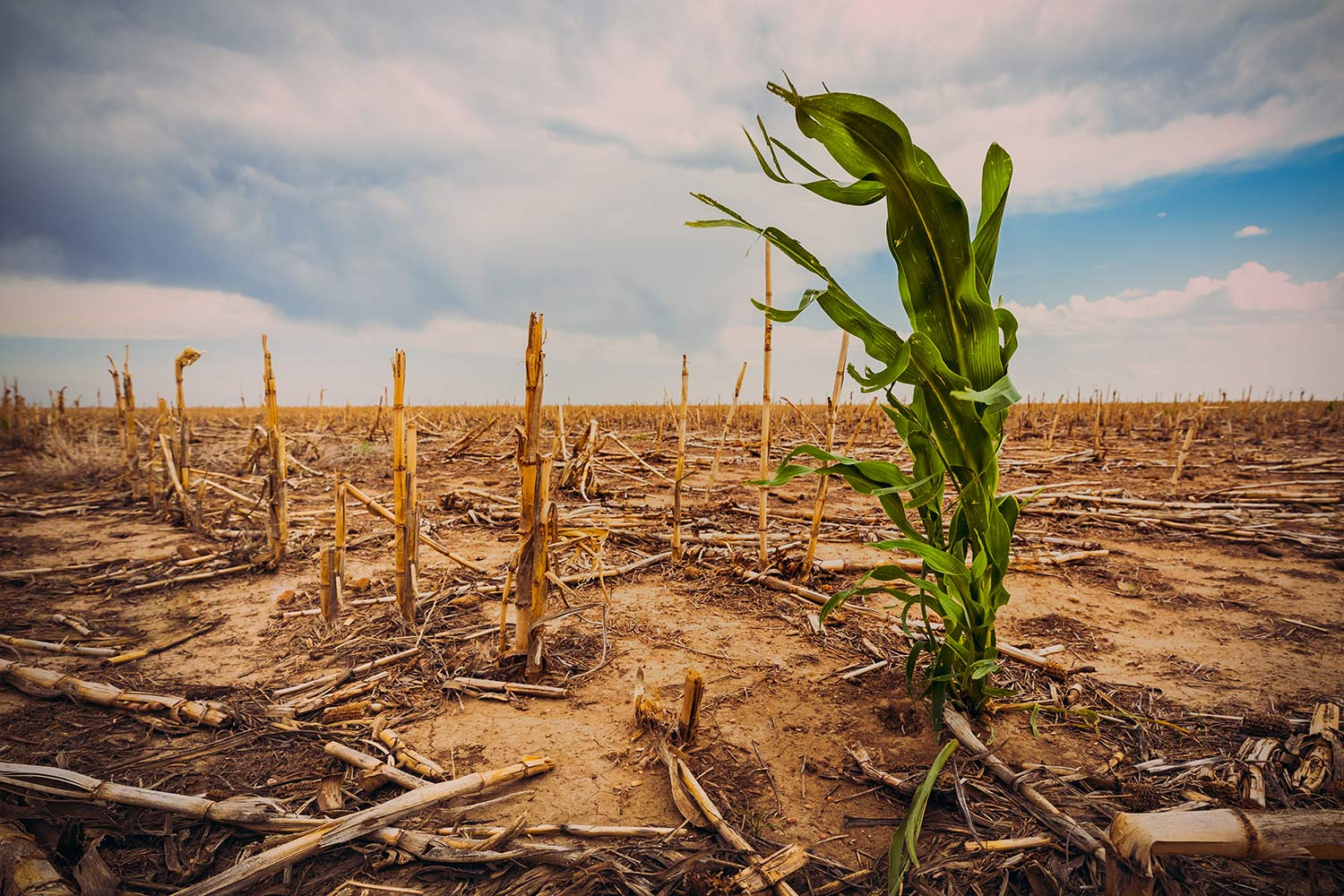
Peasants or rural farmers in some parts of our country are in a quandary due to failed crops as a result of the super El Nino onslaught under which crops failed with on the other hand cattle for draught power are perishing for lack of dipping chemicals with no known Government measures as yet being taken to bring lasting solutions.
A traditional leader who requested anonymity said yesterday that the grain marketing board was demanding repayment of grain loans given to farmers in last year’s cropping season but that the crops in particular small grains regerminated in the fields due to more abundant rainfall than expected, so that the villagers are unable to give back to the Grain Marketing Board what is due to it.
No comment could be obtained yesterday from the GMB at the time of going to press as their phones remained unanswered.
Super El Niño under which Zimbabwe is reeling is a weather pattern which happens when the sea surface in the eastern and central Pacific oceans gets warmer than normal, the warm water shifts the winds and rainfall patterns around the whole world.
In a previous column, this pen reported that agricultural demonstrators and traditional leaders were urging rural farmers to go the whole hog in growing food to avert possible starvation but the El
Niño has rendered those efforts null and void.
Which means that rural folk, a population greater than urban dwellers, will in due course raise their begging baskets to the Government for food relief in a world where other countries are holding close to their hearts what little they possess in loans or food relief.
What is more mind-ravaging for rural dwellers in our country is that the january disease as well as the foot-and-mouth disease continue to decimate livestock which account for draught power for the rural folk in addition to being sources of revenue through sales of animals at markets in addition to being sources of meat for relish.
Livestock losses have reportedly been due to a lack of dipping chemicals needed for weekly dipping of animals against disease.
Reports from the Midlands province, for instance, say that some villagers with financial resources buy tick grease and other chemicals for the survival of their livestock with the poor or poorer among them having closed their emptied cattle pens.
Which means that the Government will have to spend large sums of foreign currency on imports of food from countries not affected by El Niño. But for how long this will last only God knows.
In the meantime, as this pen has said before, what little water reserves Zimbabwe has right now must be preserved to save human and animal lives and this means banning alluvial gold panners from silting rivers and dams and wells through their rampant activities until all is well with our rainfall patterns.
Above all, what all this means is that both the government and each and everyone of us in civilian clothing must play our pivotal roles until the rainfall and food crises become our past tense.
WE are guarantors of our own futures.
Epela.