

 Online Reporter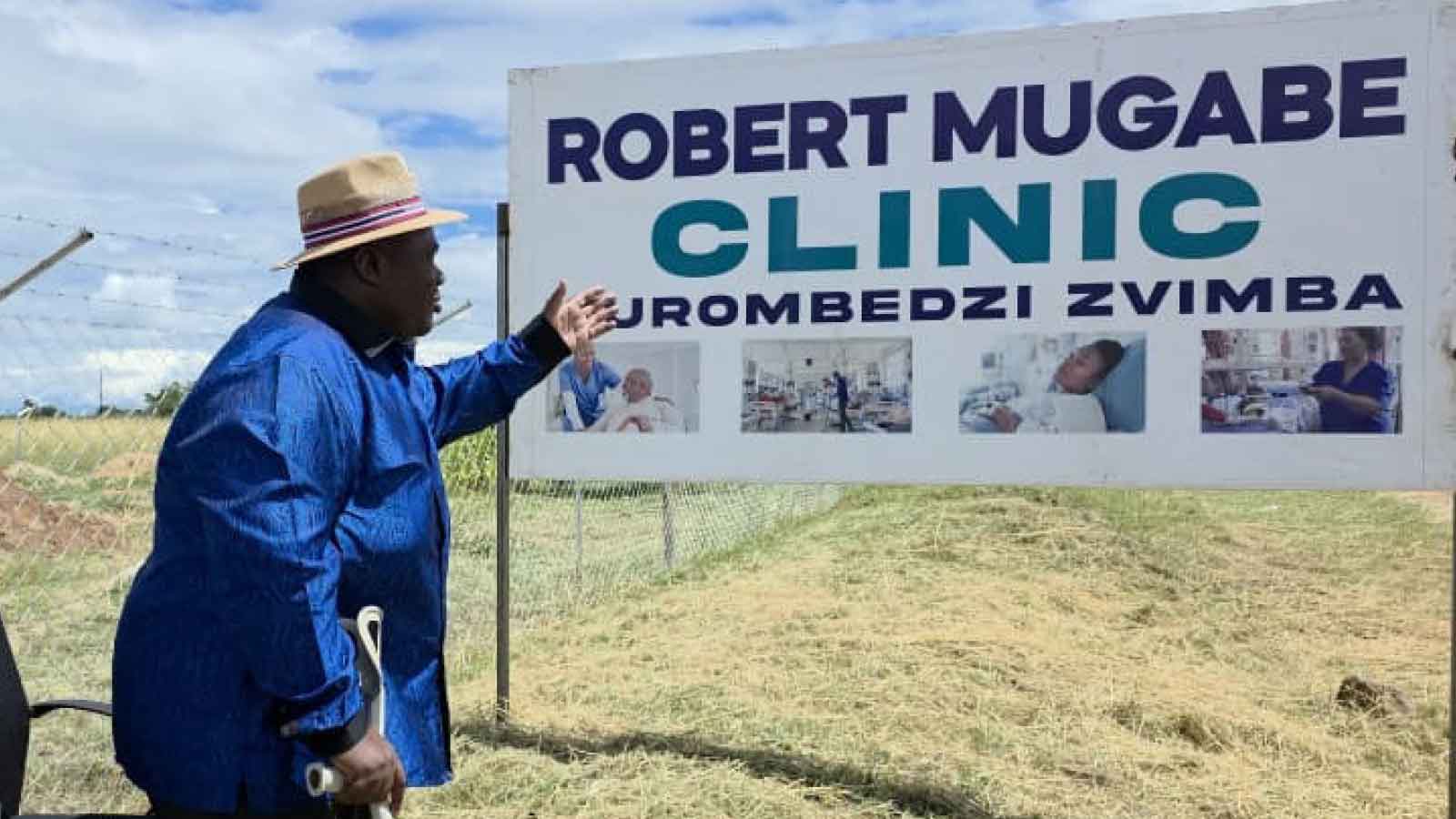
Conrad Mupesa
Mashonaland West Bureau
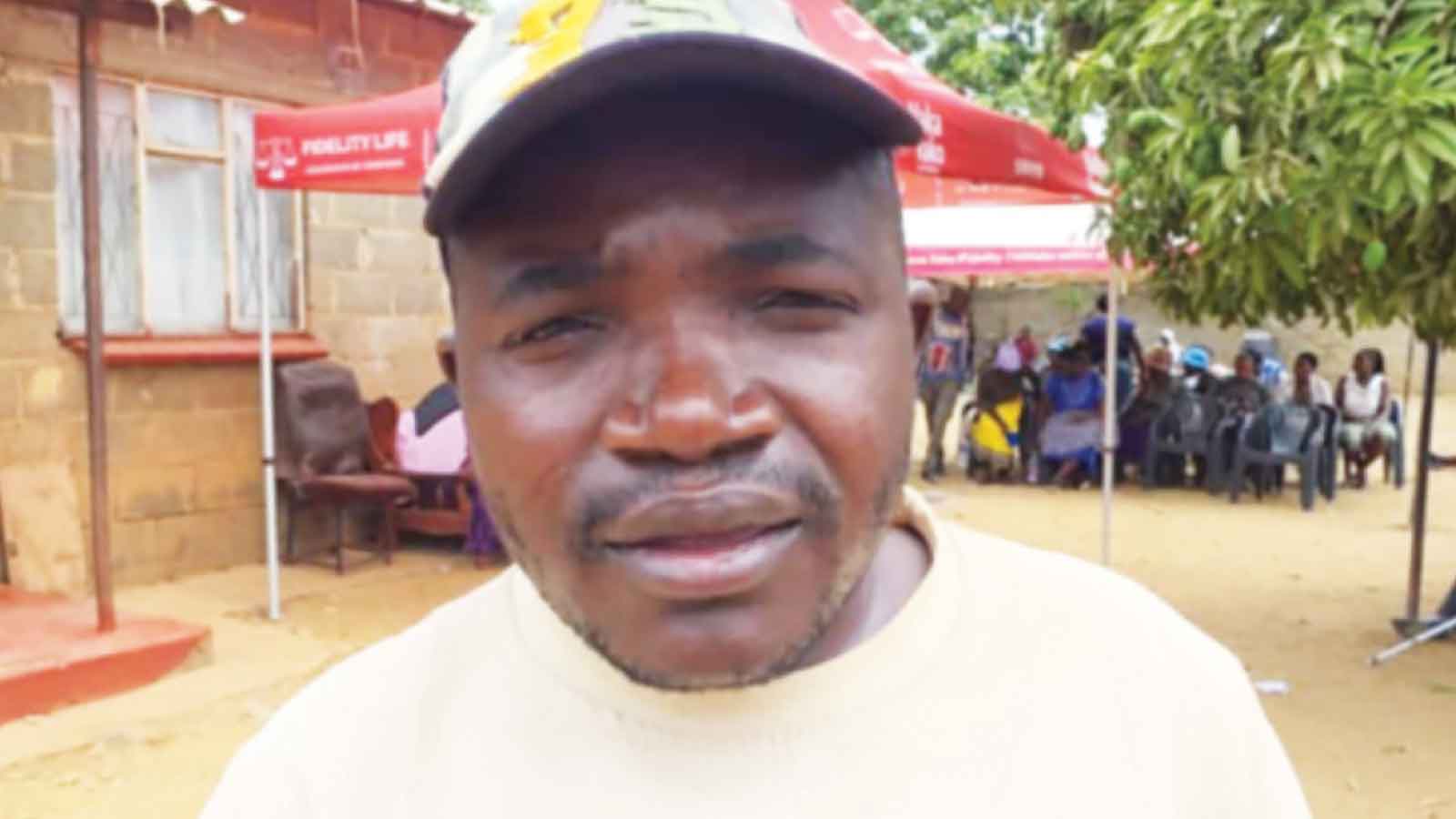
FOR Mr James James from Chakari, every journey from the mining settlement to Chegutu is a test of endurance, patience and resilience.
The 30-kilometre stretch — which many commuters take for granted — has for years been a painful reminder of the barriers faced by persons with disabilities in Zimbabwe.
Public transport operators often overlook him, some are reluctant to stop, others hesitant to accommodate his condition.
“Sometimes you can wait for hours by the roadside. Commuter omnibus crews will just pass you. Even when they stop, you feel like a burden because of how they treat you. Travelling is one of the biggest challenges we face,” he said.
Beyond mobility, the struggle extends into daily survival, limited employment opportunities, dependence on handouts, and social stigma that often confines people with disabilities to the margins of society.
But for Mr James and at least 30 other individuals from Chegutu and surrounding areas, a recent initiative has begun to rewrite that narrative.
A week-long intensive skills training workshop — spearheaded by Kadoma-based philanthropist Mr Jimayi Muduvuri in partnership with the National Council of Disabled Persons of Zimbabwe (NCDPZ) and the Seventh Day Adventist Church — has revived fresh hope for economic independence among participants.
During the programme, beneficiaries were equipped with practical, income-generating skills including detergent making, soap production, perfume blending, knitting and flower vase design — trades that require minimal capital but offer sustainable returns.
For Mr James, the training represented more than just skills acquisition; it now stands as a pathway to dignity.
“This opportunity has changed how I see my future. I have learnt how to make detergents and soaps, and I am confident I can now start a small business to support my family. Instead of struggling to travel long distances looking for piece jobs, I can work from home,” Mr James added.
The initiative speaks directly to the everyday realities faced by persons with disabilities, where structural barriers often limit access to formal employment.
Lay pastor and trainer Pastor Coax Mombeshora, who himself lives with a disability, said empowerment programmes of this nature are critical in dismantling long-held misconceptions.
“Society has for a long time viewed people with disabilities as dependent on charity. But once you equip someone with practical skills, you restore their dignity. They begin to see themselves as capable, productive members of society,” he said.
Pastor Mombeshora noted that the training was deliberately designed to ensure immediate impact.
“These are not just theoretical lessons. Participants can start producing and selling immediately within their communities. That is how transformation begins at household level.”
The Seventh Day Adventist Church, represented by Pastor Desire Nyanhanda, said the programme aligned with broader efforts to promote inclusivity.
“As a church, we believe development must leave no one behind. People with disabilities are not objects of sympathy but active contributors to national development. This workshop is a demonstration of that belief,” he said.
For many participants, the training was a turning point in restoring confidence and self-worth.
Ms Norah Sibanda, another beneficiary, described the experience as a life-changing moment.
“I used to depend on others for almost everything, but now I have skills that can generate income. I feel empowered and confident that I can contribute to my family’s well-being,” she said.
Stakeholders said such initiatives complemented national efforts to mainstream disability inclusion into development programmes.
People with Disabilities for ED Mashonaland West chairperson, Mr Ishmael Patasva, commended the programme for moving beyond rhetoric.
“This is what real empowerment looks like. We need practical interventions that transform lives. People with disabilities must participate fully in the economy, not remain on the sidelines.”
His sentiments were echoed by the organisation’s national member, Mr Peter Paradza, who highlighted the importance of bridging the gap between training and implementation.
“What makes this initiative unique is the provision of start-up kits. Training alone is not enough. By giving beneficiaries the tools to begin, it ensures that skills translate into viable businesses.”
Mr Muduvuri not only funded the training but also provided start-up kits to participants, enabling them to immediately venture into income-generating projects.
“Our goal is simple: to see people with disabilities becoming self-reliant. Empowerment begins with skills, but it must be supported by resources. That is why we made sure participants have what they need to get started,” he said.
His philanthropic efforts extended beyond skills development. He also revealed ongoing initiatives aimed at improving the welfare of persons with disabilities, including facilitating access to residential stands and plans to construct clinics across the country offering free medical services.
“We want to create an environment where people with disabilities can live with dignity, with access to shelter, healthcare, and sustainable livelihoods,” he said.
While challenges such as inaccessible transport systems remain, empowerment initiatives and access to residential stands are proving to be a crucial step towards breaking cycles of poverty and exclusion.



