Online Reporter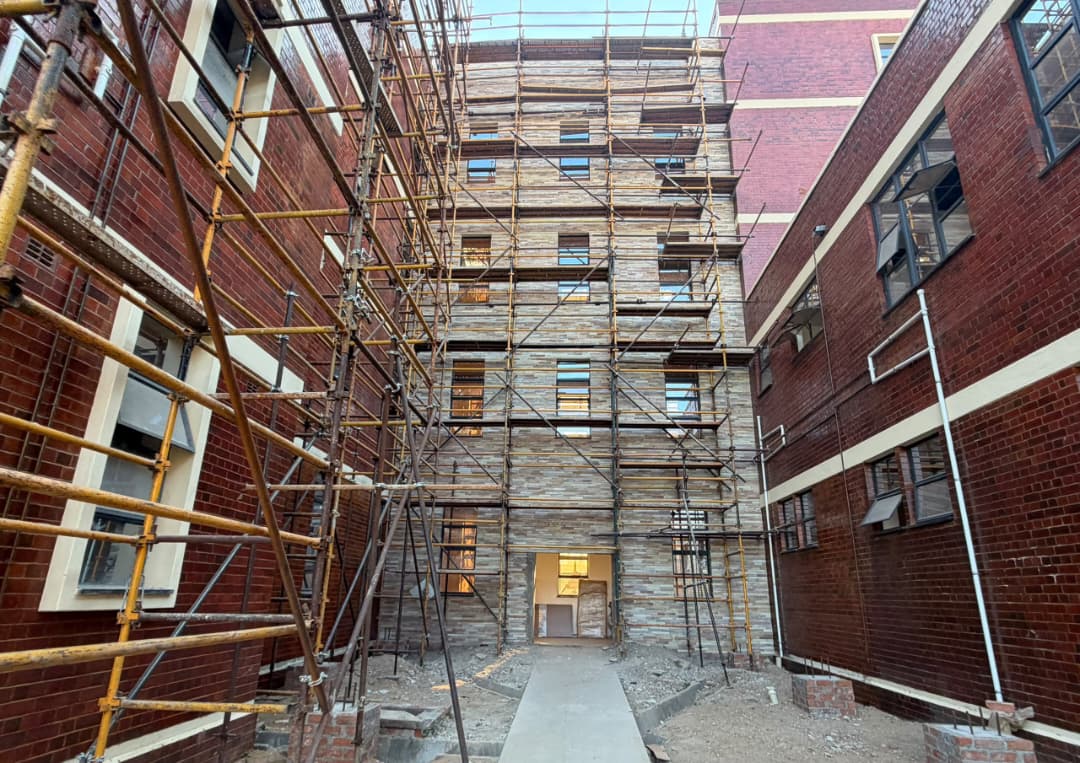
Eliah Saushoma
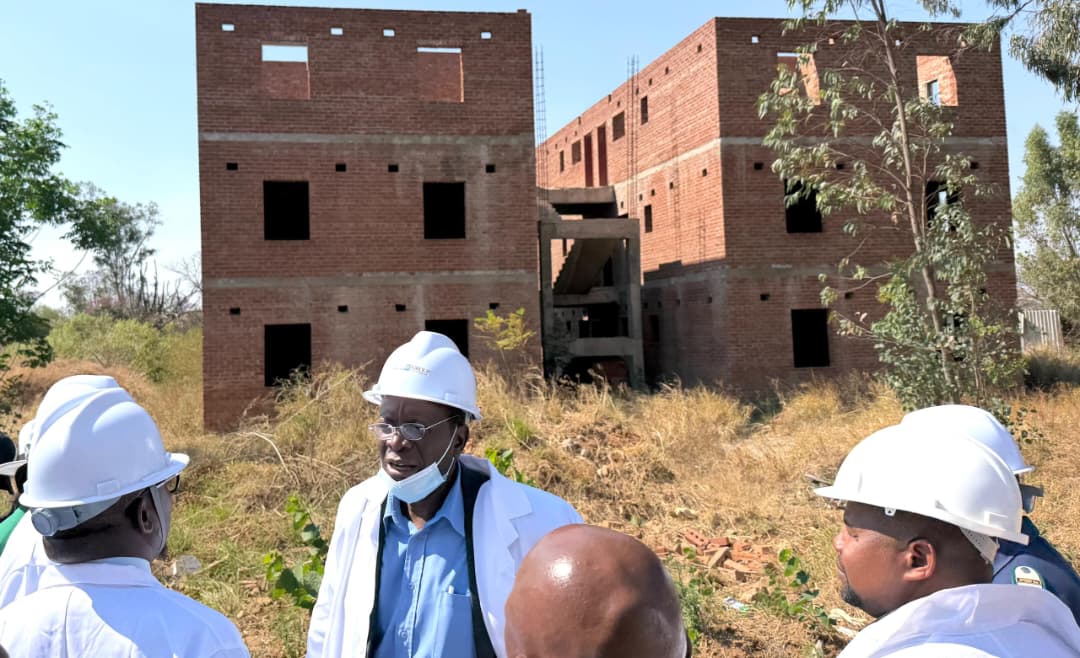
FOR more than two decades, three unfinished brick floors at Block C of Mpilo Central Hospital stood as a reminder of a project that had stalled.
The building, which was planned in the late 1990s to provide accommodation for medical staff, remained incomplete for years as the hospital faced financial challenges and growing demand for health services.
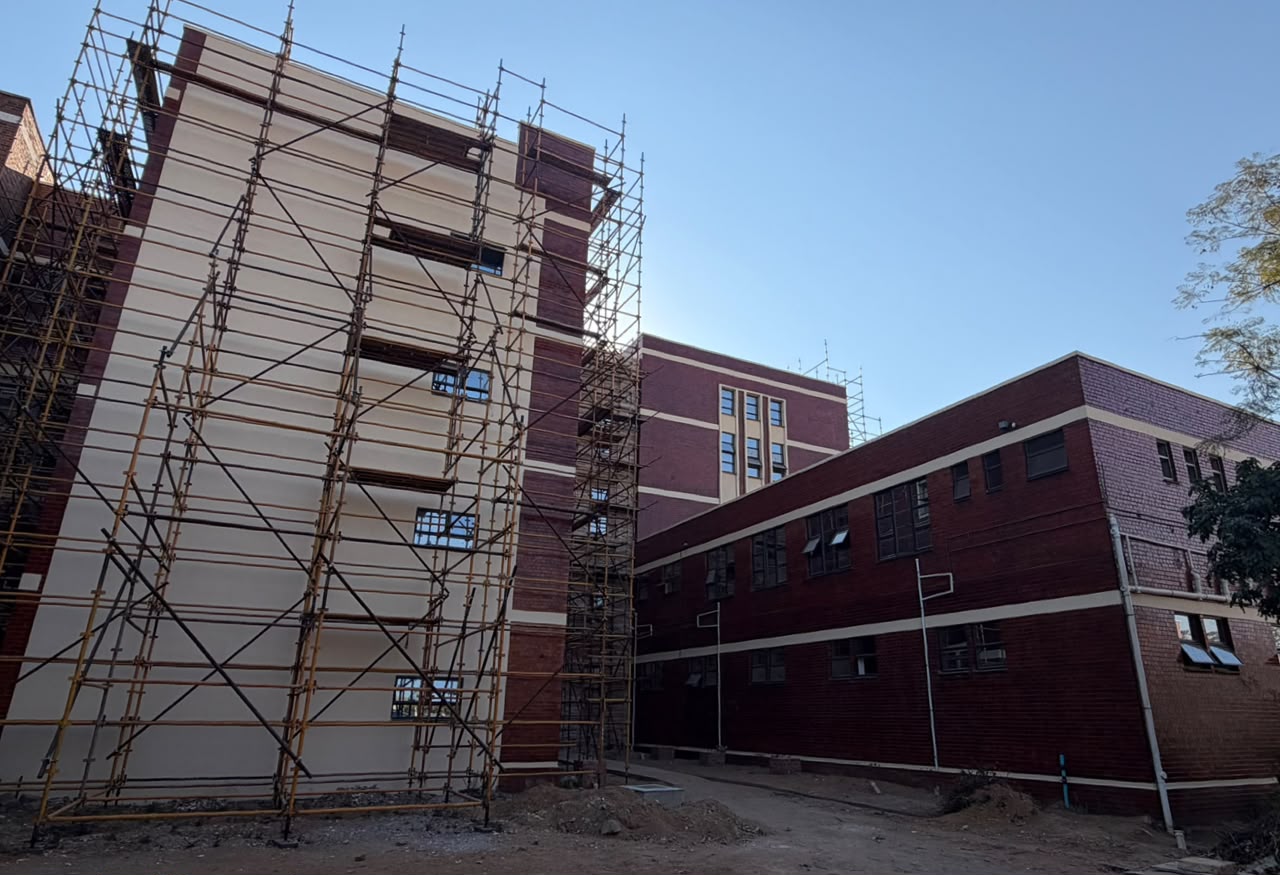
Work on the residential block was later restarted but stalled again in 2022 when construction reached three floors.
The project has now received a major boost following a private sector commitment to fund the completion of the four-storey building.
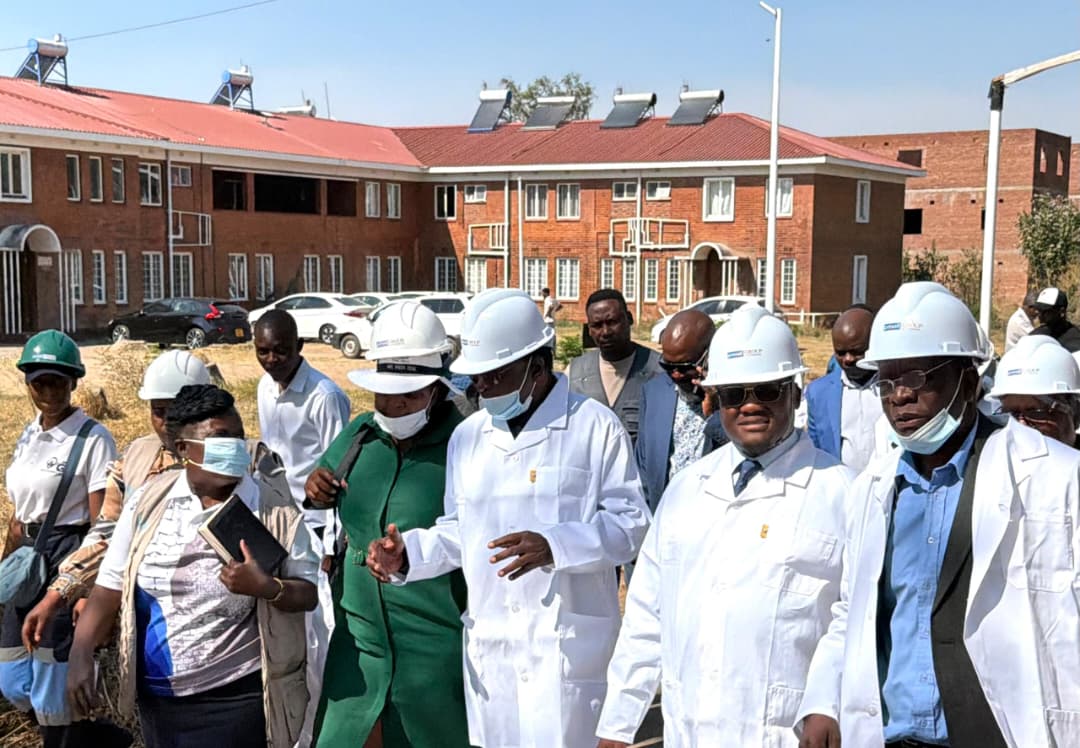
During a recent inspection of the Presidential Hospital Renovation Programme at Mpilo, Prevail International Group chairman and Presidential Advisor Dr Paul Tungwarara pledged financial support towards completing the structure.
Once completed, the accommodation block will provide homes for 16 doctors and their families within the hospital premises.
Having doctors living on site is expected to make it easier for them to respond quickly to emergencies, particularly cases requiring urgent medical attention.
The residential project is part of wider renovation works taking place at Mpilo Central Hospital.
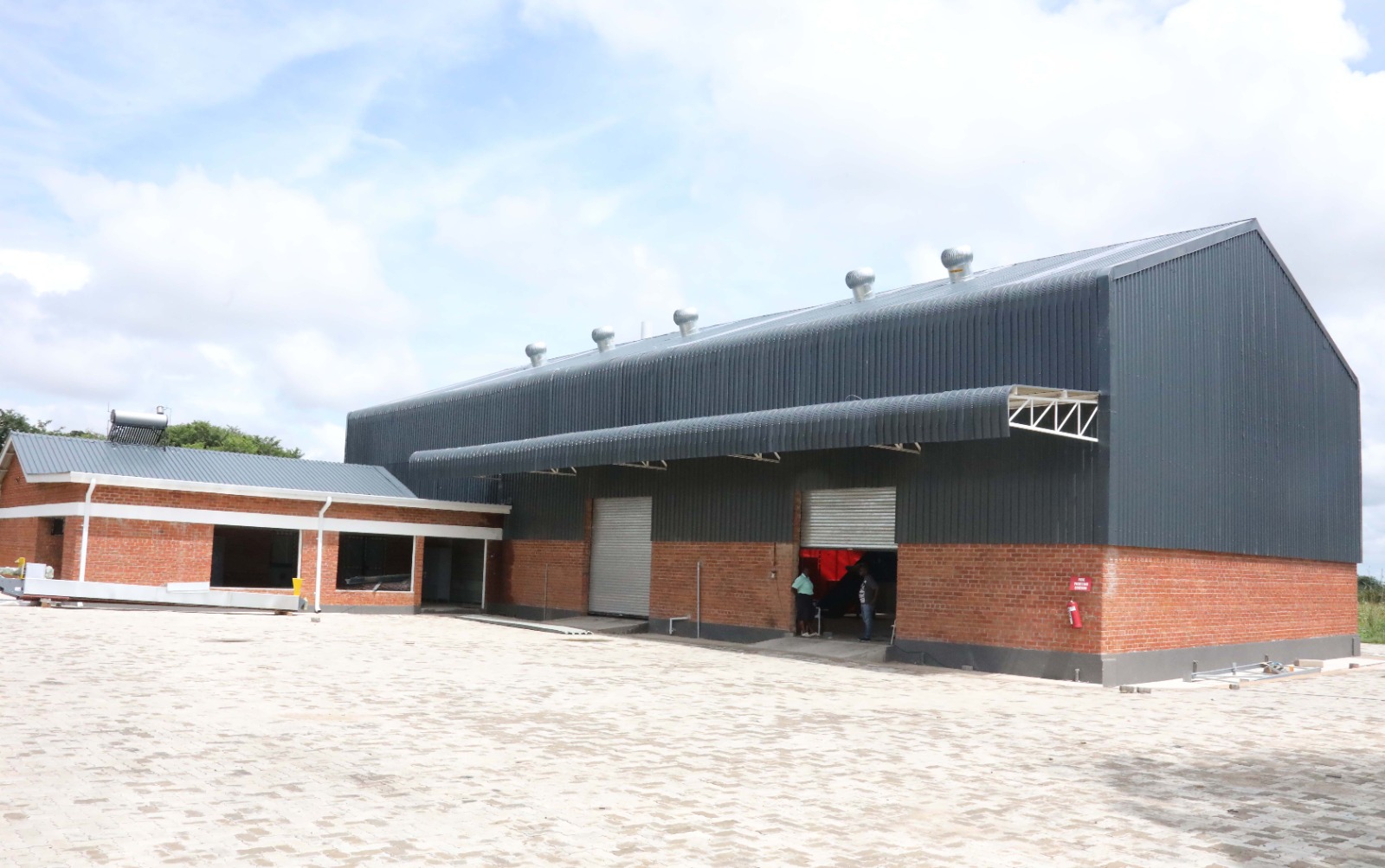
The Presidential Hospital Renovation Programme is reported to be about 65 percent complete, with several sections of the hospital undergoing rehabilitation and refurbishment.
Some previously abandoned structures are also being assessed for possible inclusion in the ongoing development programme.
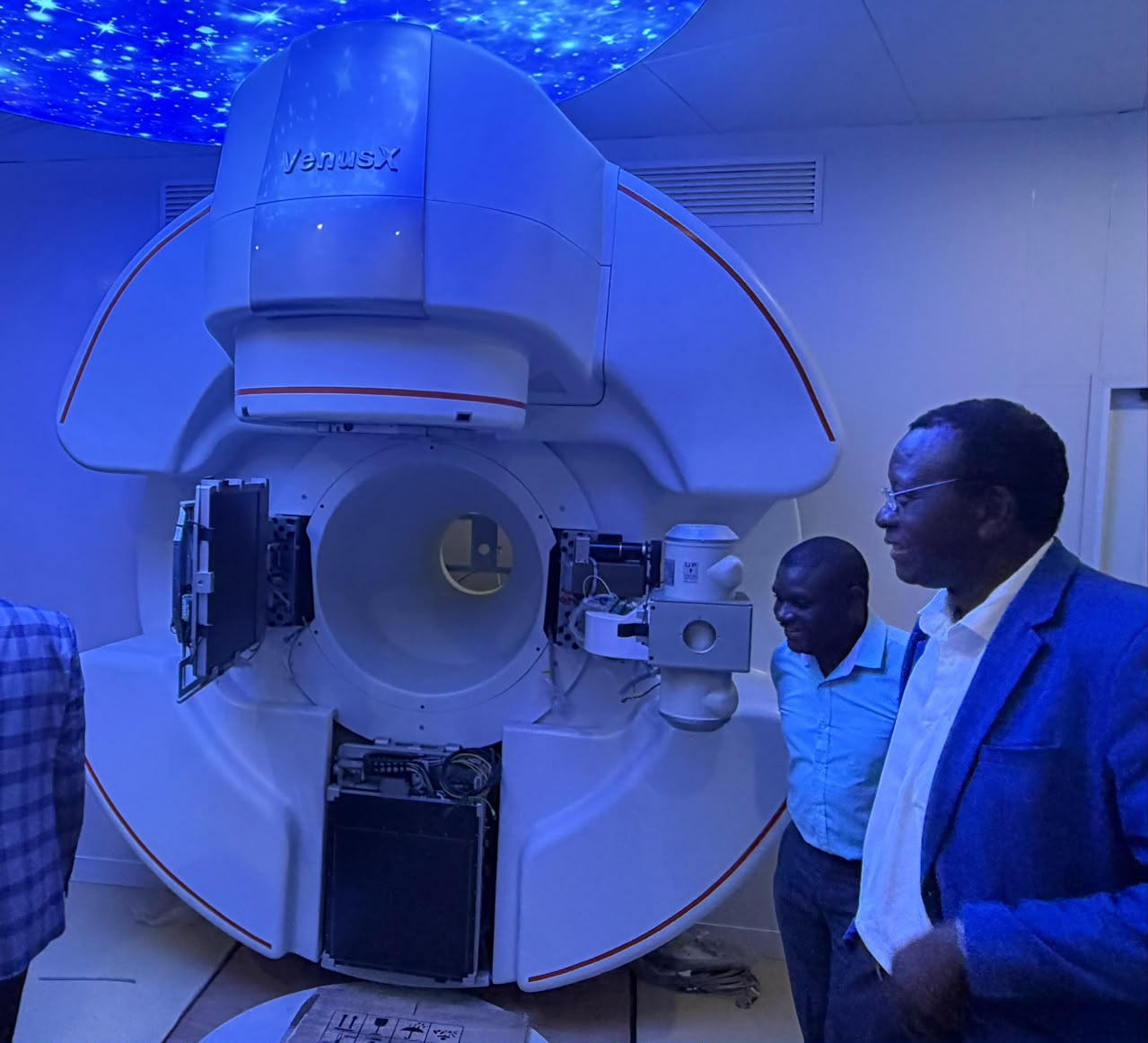
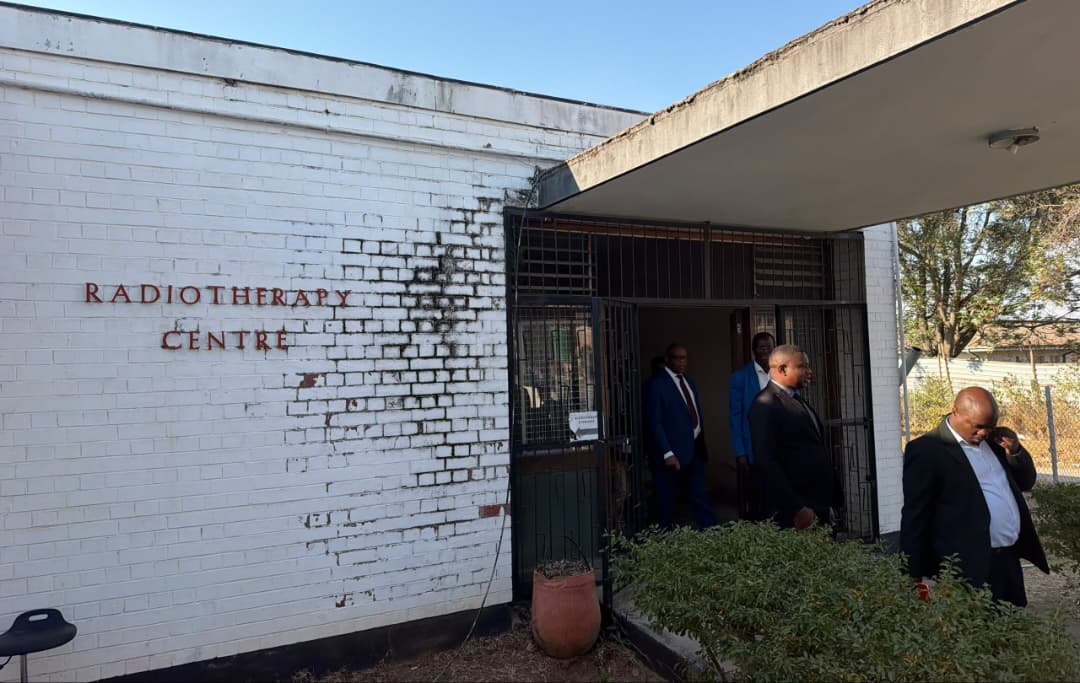
Among the major improvements taking place at the hospital is the installation of new radiotherapy equipment, which is expected to improve access to cancer treatment.
The hospital’s main laboratory is also being upgraded with new equipment to improve the speed and accuracy of medical tests.
Clinical wards and corridors are receiving new flooring and ceiling systems as part of efforts to improve hygiene and infection control.
For Mpilo, the ongoing work represents a major step towards improving the hospital’s facilities and working conditions for health professionals.
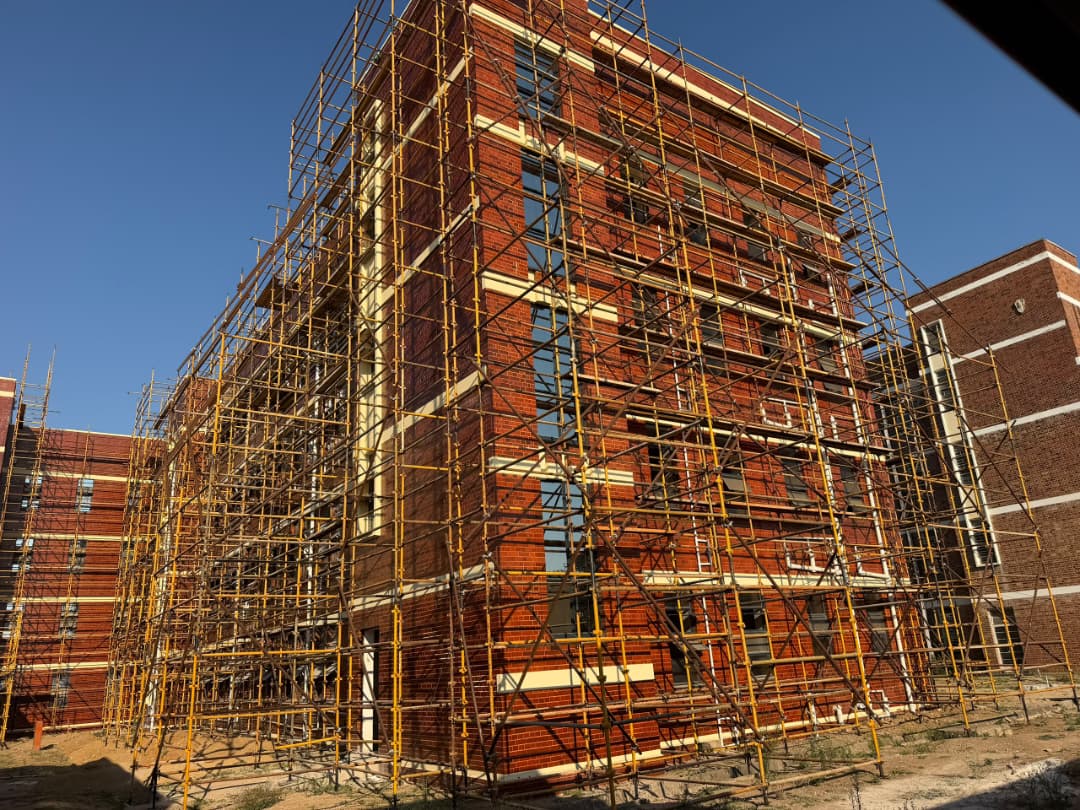
The involvement of the private sector in completing the stalled residential block also highlights the potential for partnerships between Government and businesses to support the development of public health infrastructure.
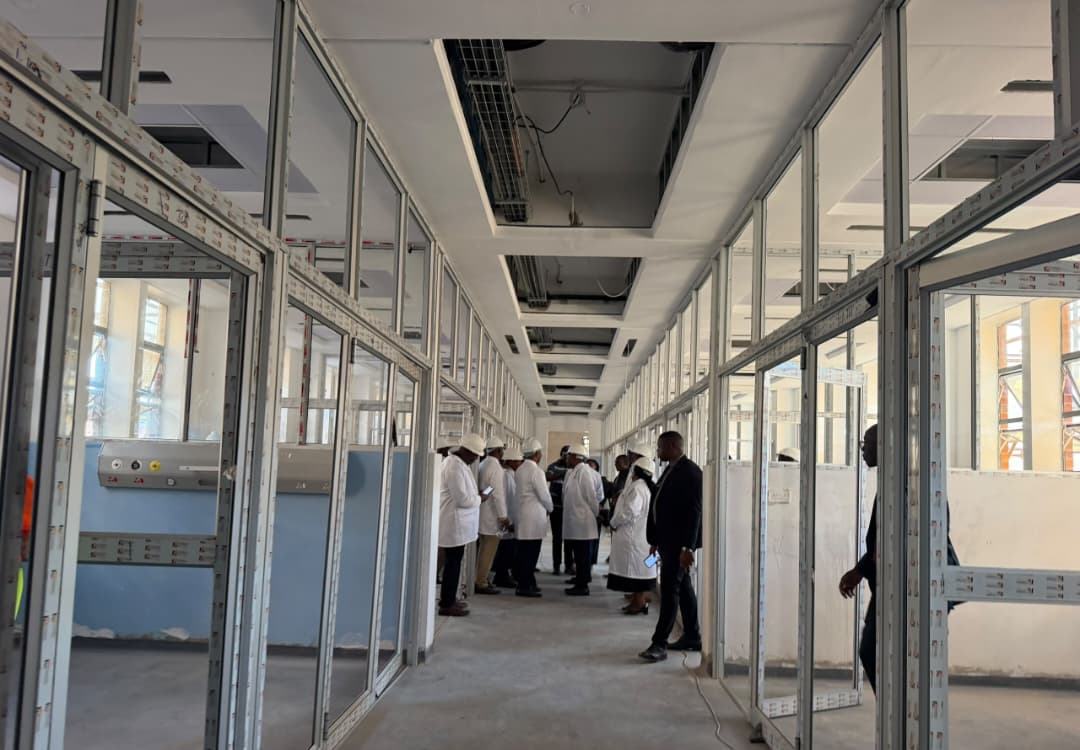
As work continues, the once-abandoned Block C is gradually taking shape — bringing the hospital closer to having modern accommodation and improved facilities for both medical staff and patients.