Online Reporter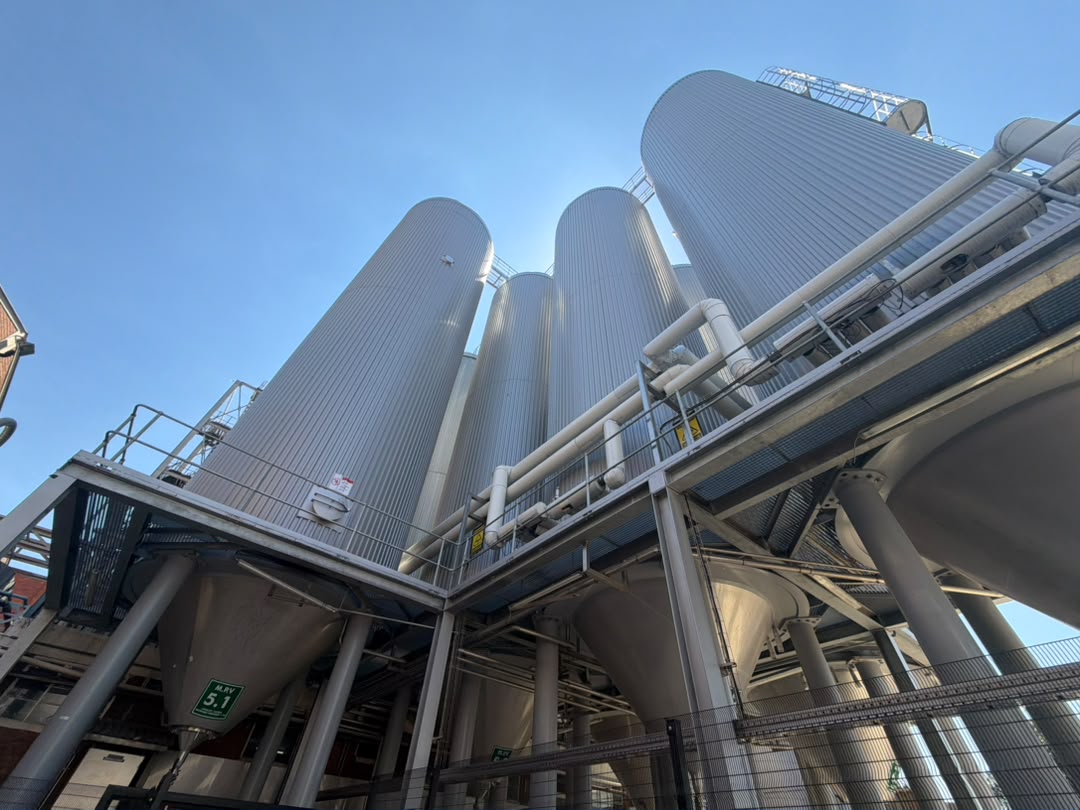
Eliah Saushoma
BULAWAYO’S skyline is changing.
Cranes, construction sites, new commercial developments and fresh investment are breathing new life into Zimbabwe’s historic industrial capital, offering a glimpse of a city seeking to reclaim its reputation as the country’s manufacturing powerhouse.
Across the city, major commercial, manufacturing and infrastructure projects are taking shape as Government pushes its broader Vision 2030 agenda, with renewed emphasis on investment, local production, ease of doing business and re-industrialisation.
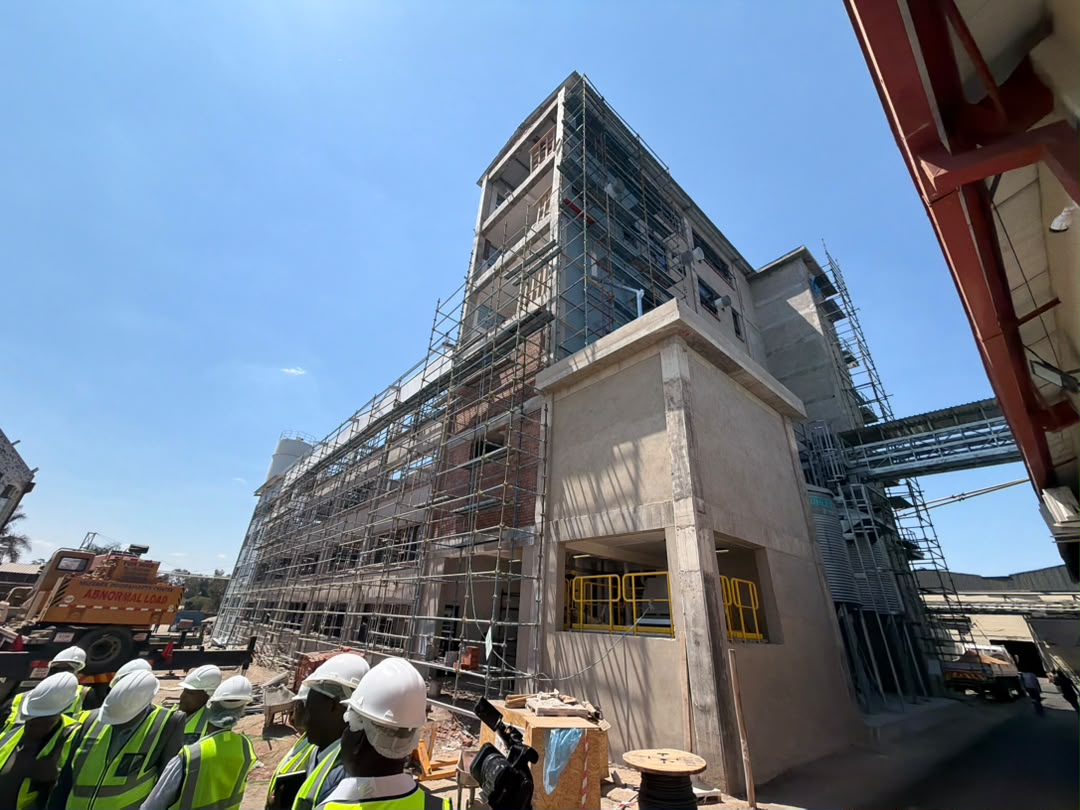
The developments are creating jobs, opening opportunities for businesses and, in some cases, reviving industrial infrastructure that has been at the heart of Bulawayo’s economy for decades.
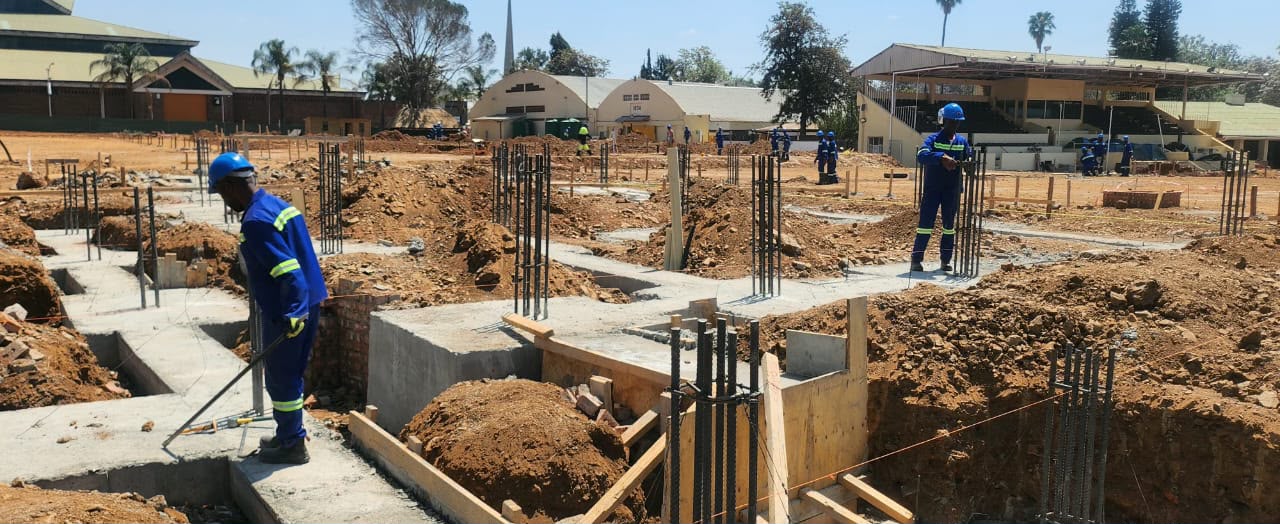
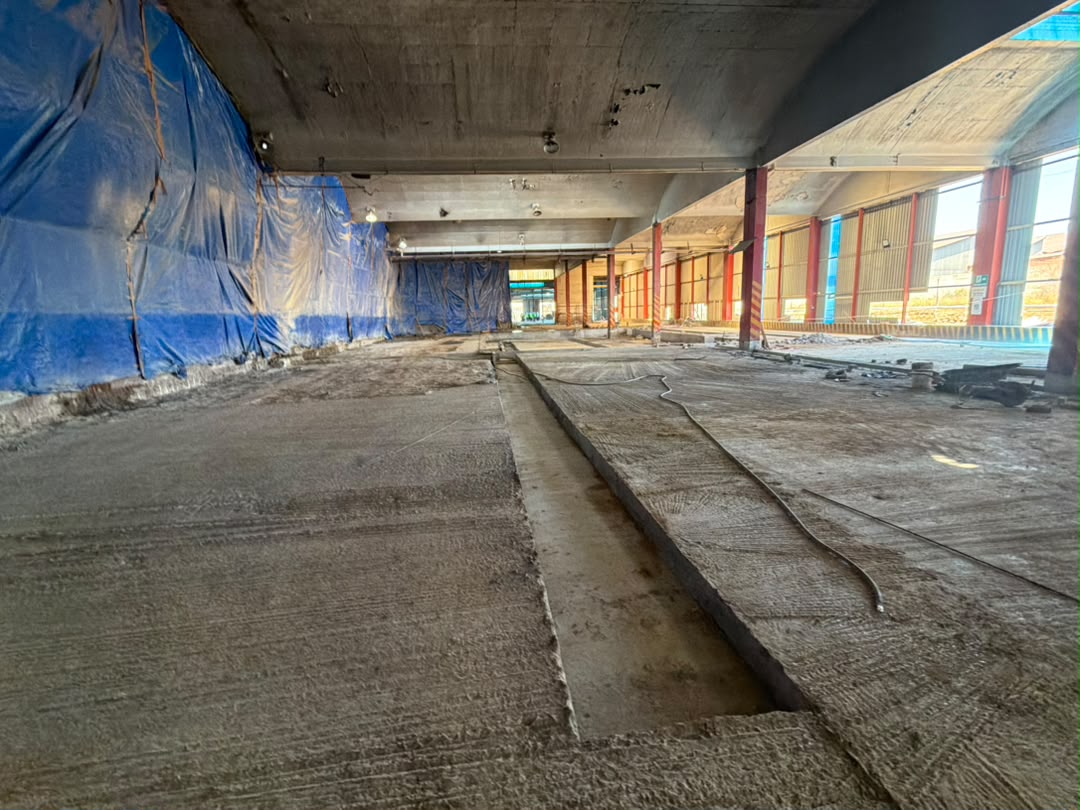
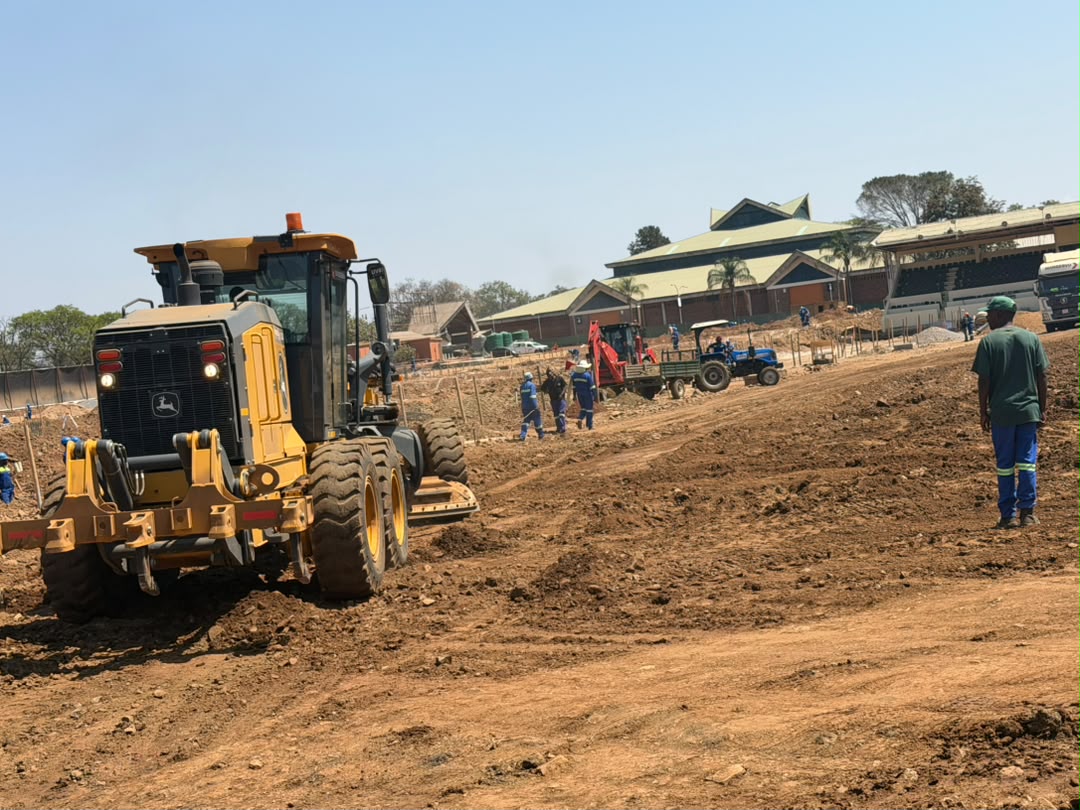
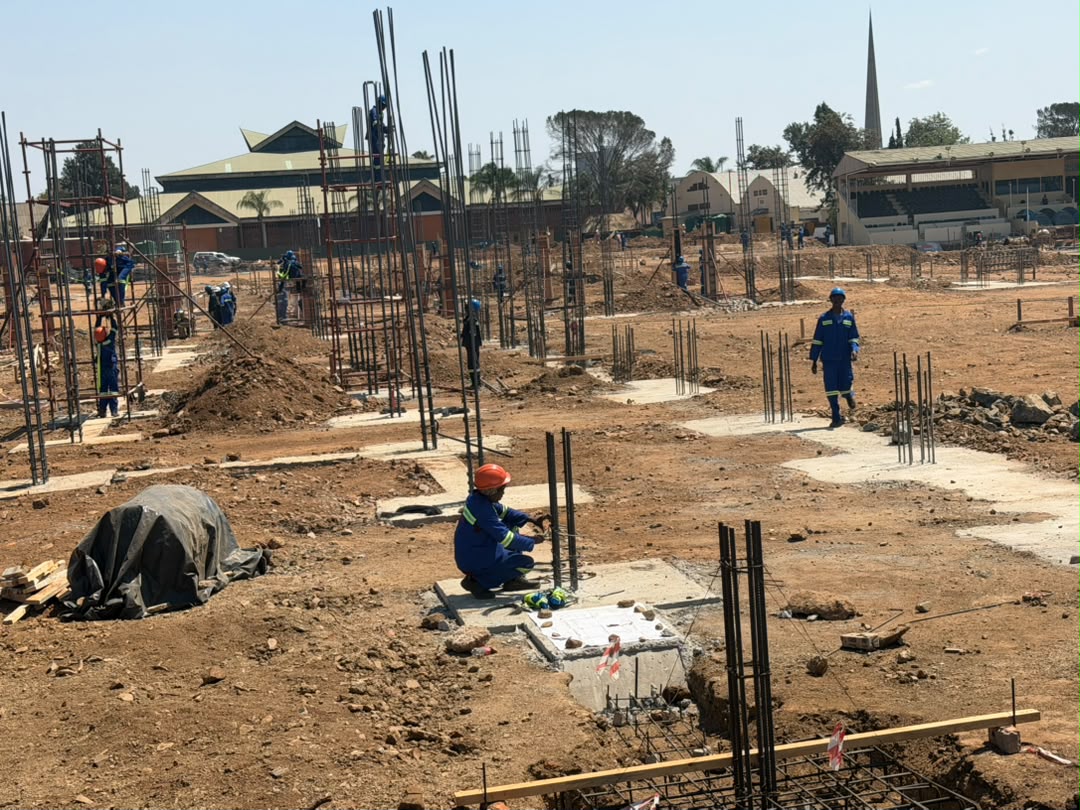
One of the projects attracting attention is the multi-million-dollar Fairgrounds Retail Centre, being developed at the Zimbabwe International Trade Fair (ZITF) grounds.
The development is bringing modern commercial infrastructure to the city while creating employment during construction and expected operational phases.
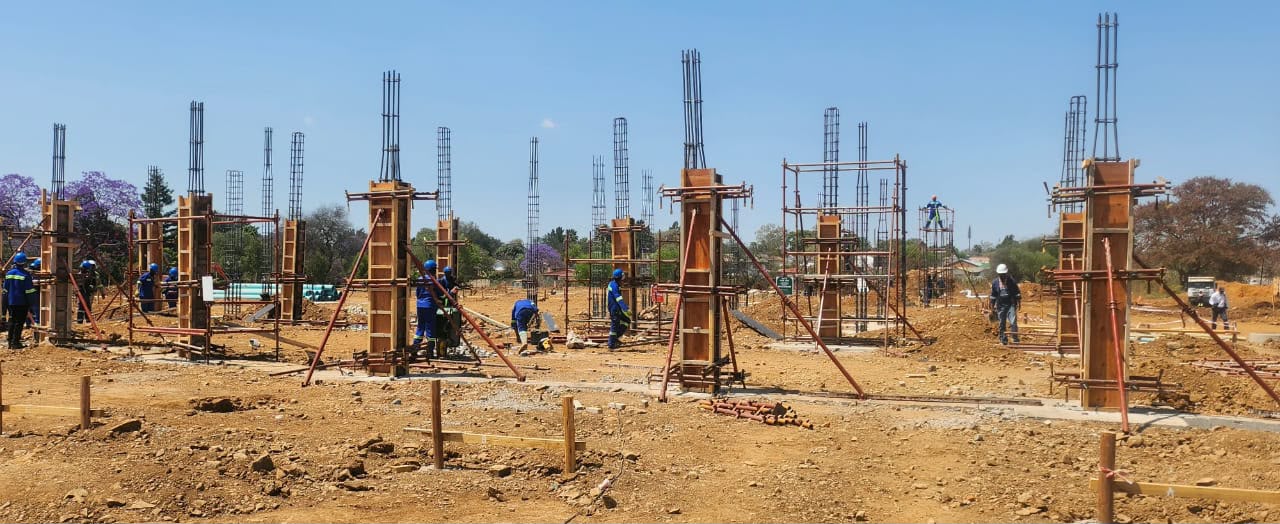
In the manufacturing sector, the Bulawayo Textile Manufacturing Centre is emerging as another important piece of the industrial revival.
The facility is expected to provide production space and opportunities for emerging businesses, including women-led enterprises, while supporting skills development, employment and the growth of small and medium enterprises.
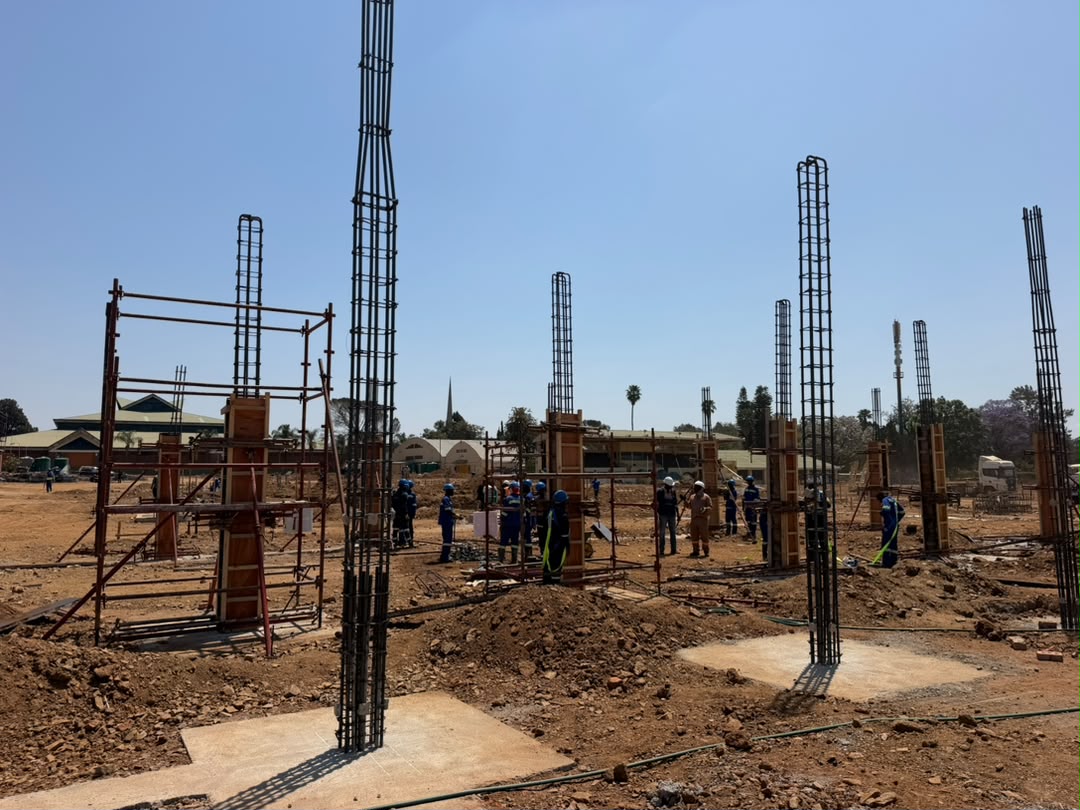
Then there is the US$35 million Delta Corporation brewhouse project in Belmont.
The investment represents a major expansion of production capacity at one of Bulawayo’s long-established industrial facilities and reinforces the city’s role as a centre of manufacturing.
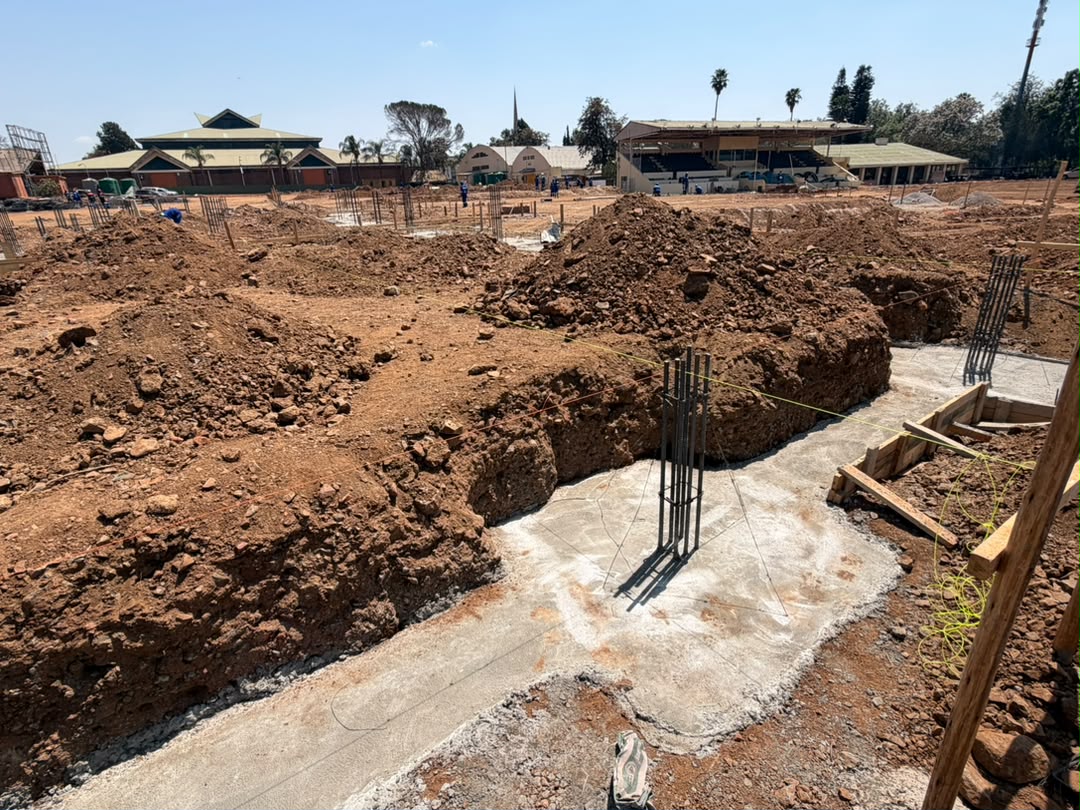
Taken together, the projects point to an economy undergoing a gradual transformation.
But beneath the cranes and construction activity lies another challenge — who will do the work?
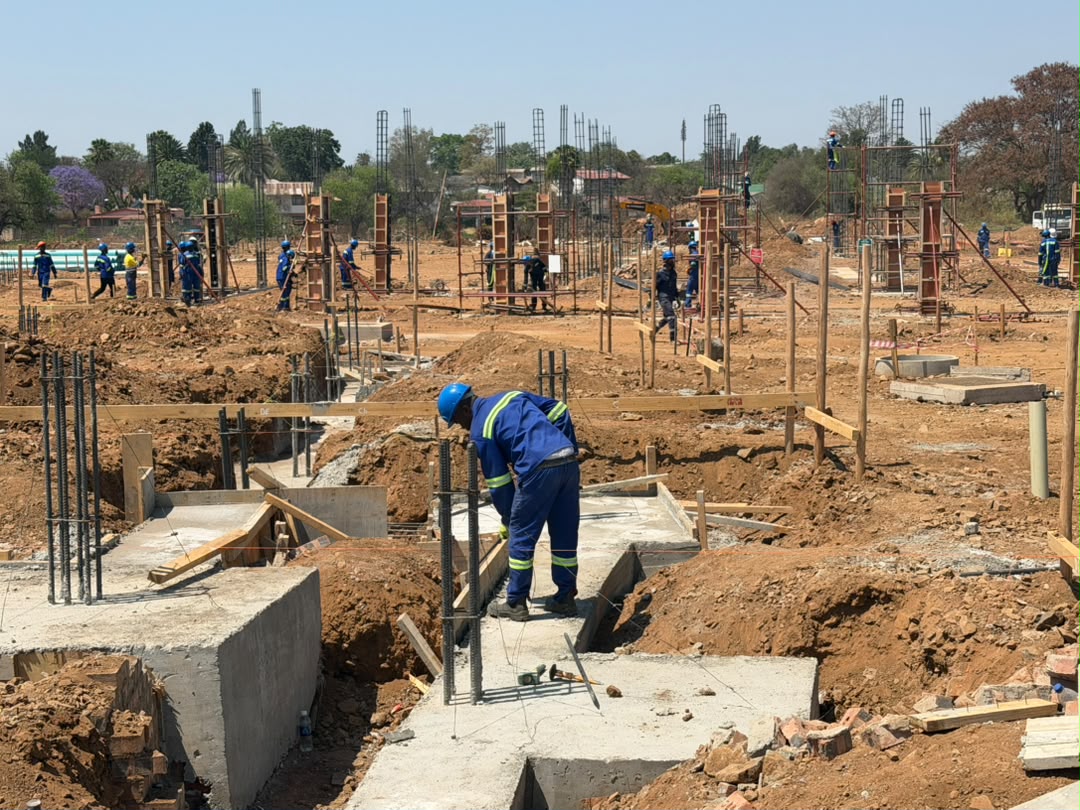
Contractors working on major developments have highlighted a shortage of skilled artisans, including welders, electricians, plumbers, bricklayers, carpenters and mechanics.
For a city with a long industrial tradition, the skills shortage presents a major challenge.
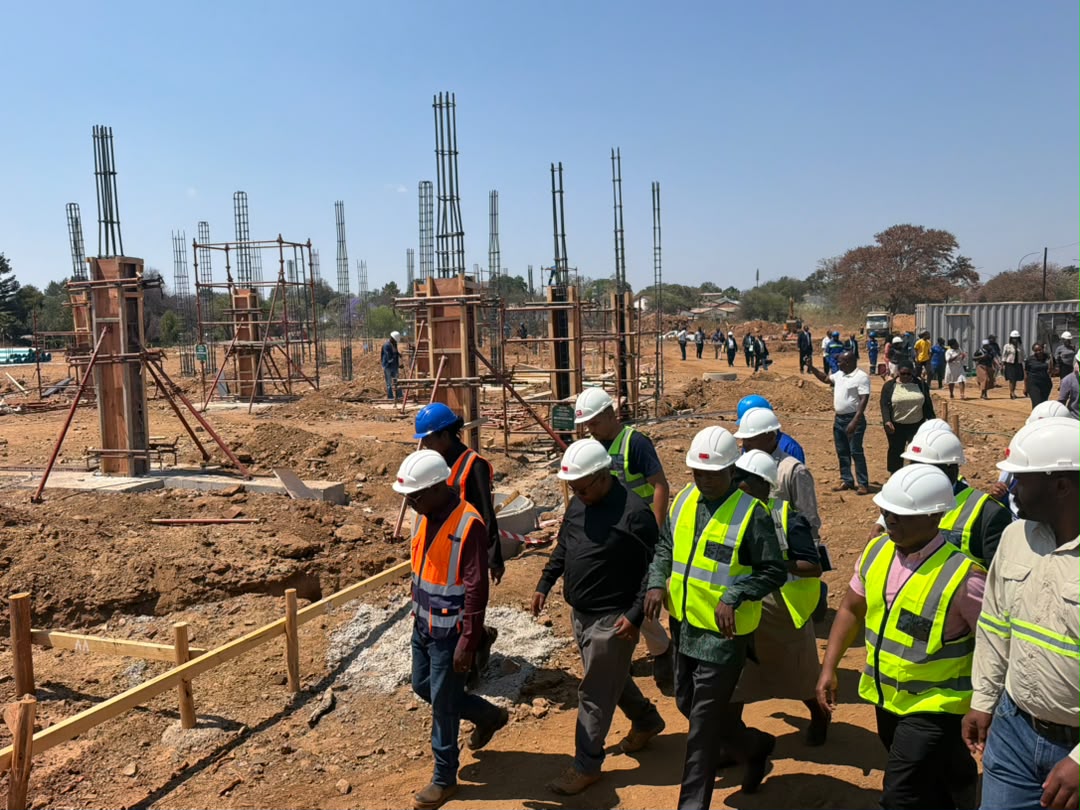
It also presents an opportunity.
Bulawayo’s industrial revival could create thousands of jobs and business opportunities, but local residents will only fully benefit if they have the skills required by the emerging economy.
This places technical and vocational education at the centre of the city’s economic future.
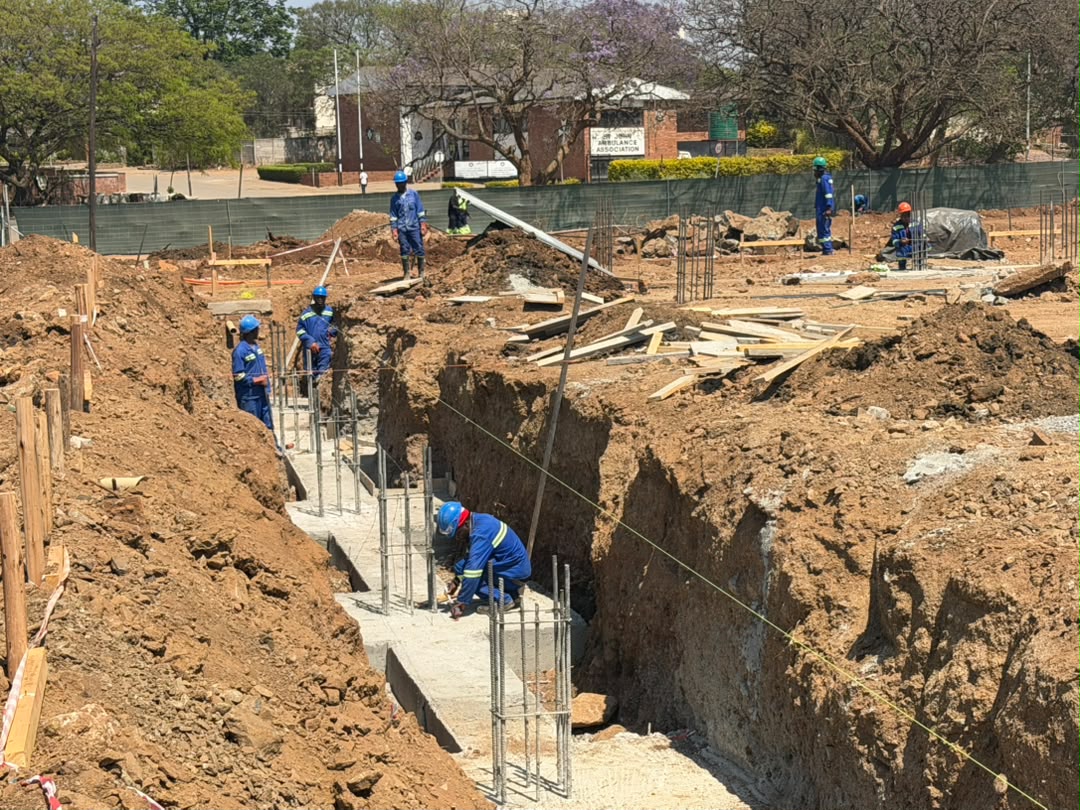
More investment in vocational training could produce the artisans needed to service new factories, construction projects and infrastructure developments while giving young people a direct pathway into employment.
The industrial renaissance, therefore, cannot simply be measured by the number of factories constructed, buildings completed or millions of dollars invested.
Its real measure will be whether Bulawayo’s people are equipped to participate in and benefit from the growth.
For decades, Bulawayo was known as Zimbabwe’s industrial heartbeat — a city of factories, engineering firms, textile companies and manufacturing giants.
The decline of much of that industrial base left behind empty factories, lost jobs and a weakened local economy.
The emerging investments offer an opportunity to reverse some of that decline.
Government policy, private-sector investment, SME development and skills training will all have a role to play in determining whether the current construction boom develops into sustained industrial growth.
For now, Bulawayo’s changing landscape offers a powerful visual reminder of an economy in transition.
The cranes are back.
The factories are expanding.
And after years of economic uncertainty, the industrial heartbeat of Bulawayo is beginning to beat again.