Bongani Ndlovu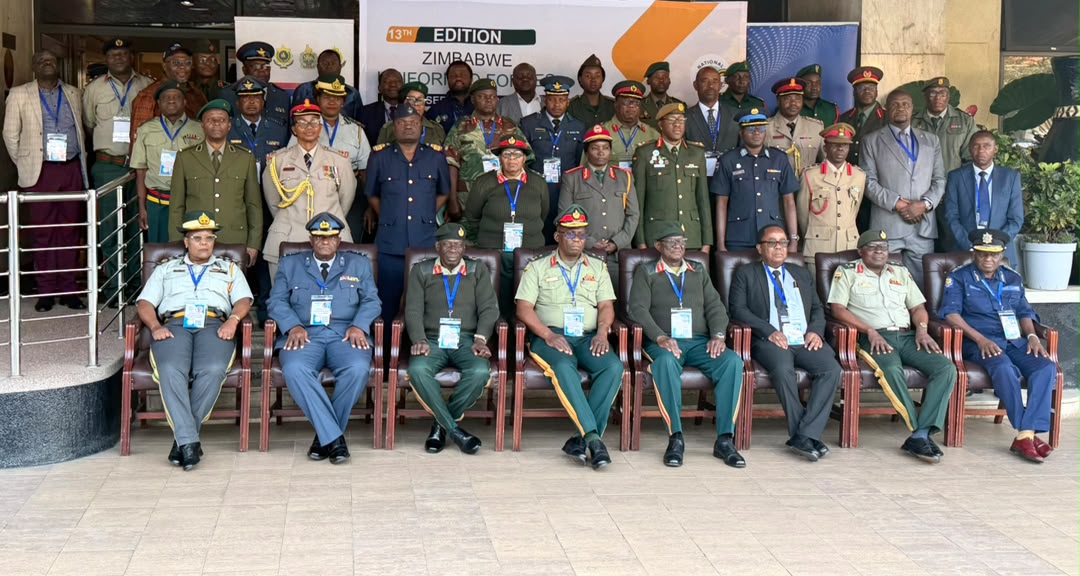
For three days, Bulawayo became the command centre for a different kind of military operation as commanders, doctors, nurses, researchers and health professionals from across the Southern African Development Community (SADC) gathered to strengthen the health of the region’s uniformed forces.
Instead of discussing battlefield strategy and defence operations, delegates at the 13th Zimbabwe Uniformed Forces Health Services Conference turned their attention to a common enemy — disease. From HIV and tuberculosis to non-communicable diseases, mental health and emergency medical response, the conference highlighted the growing need for healthcare systems that are integrated, resilient and capable of responding to the changing needs of service personnel.
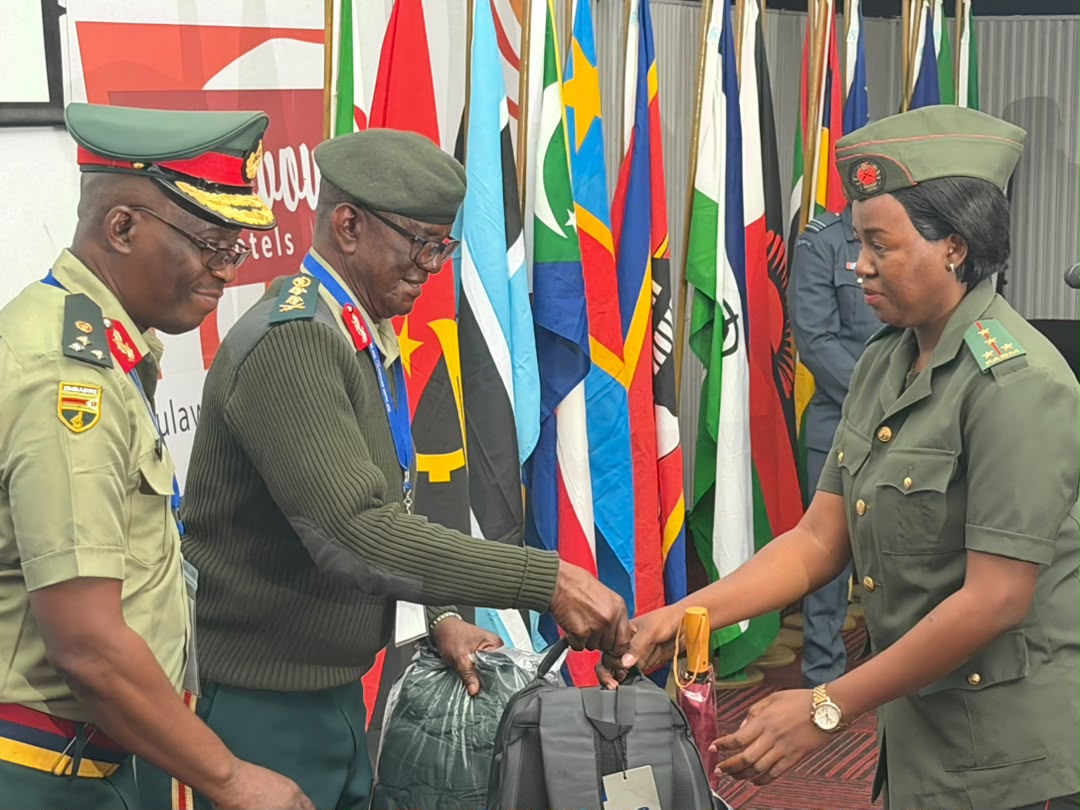
The gathering underscored the importance of regional cooperation, with delegates sharing experiences, best practices and innovations aimed at improving healthcare delivery within military, police and other uniformed services across Southern Africa.
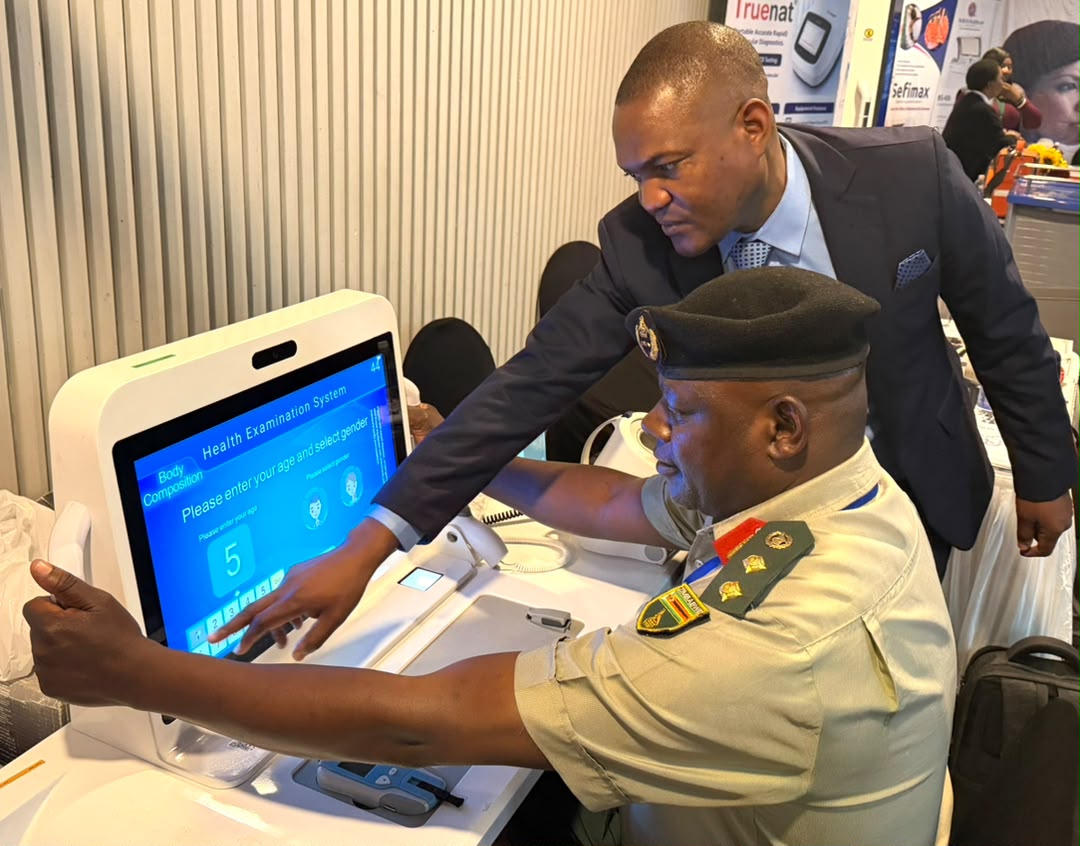
The conference also provided a platform for strengthening professional networks and reaffirming the role of health services in maintaining operational readiness.
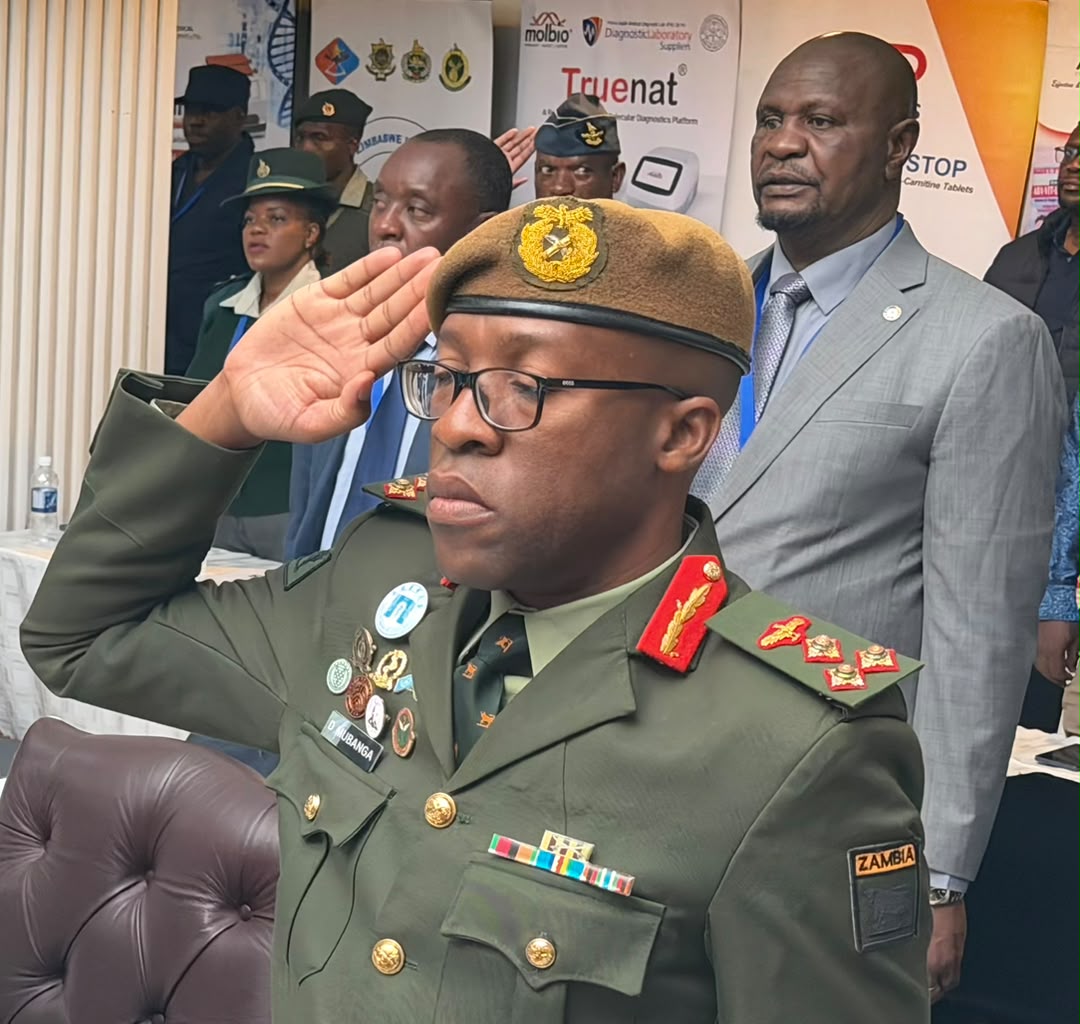
Addressing delegates, Zimbabwe Defence Forces Commander General Emmanuel Matatu challenged health professionals to move beyond fragmented healthcare, where patients are treated for one illness at a time, towards integrated systems that place the patient at the centre of care.
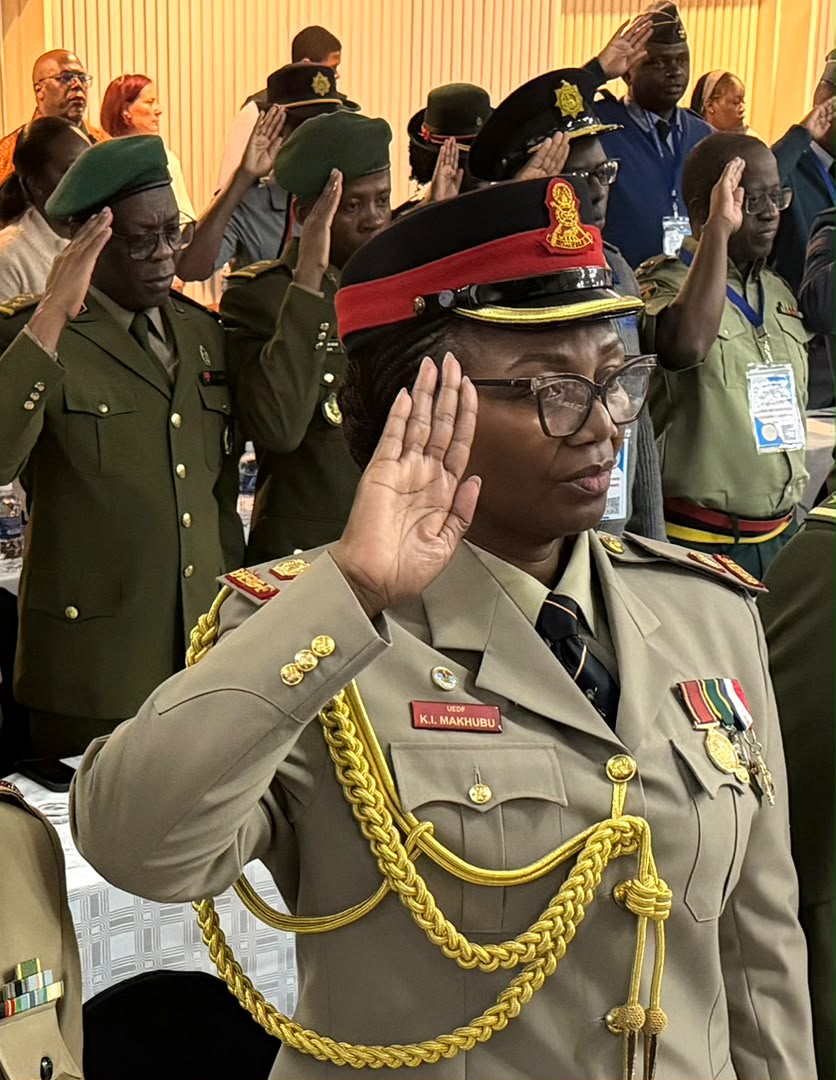
He said the changing disease profile among uniformed personnel called for greater collaboration, continuous training and stronger partnerships across the region.
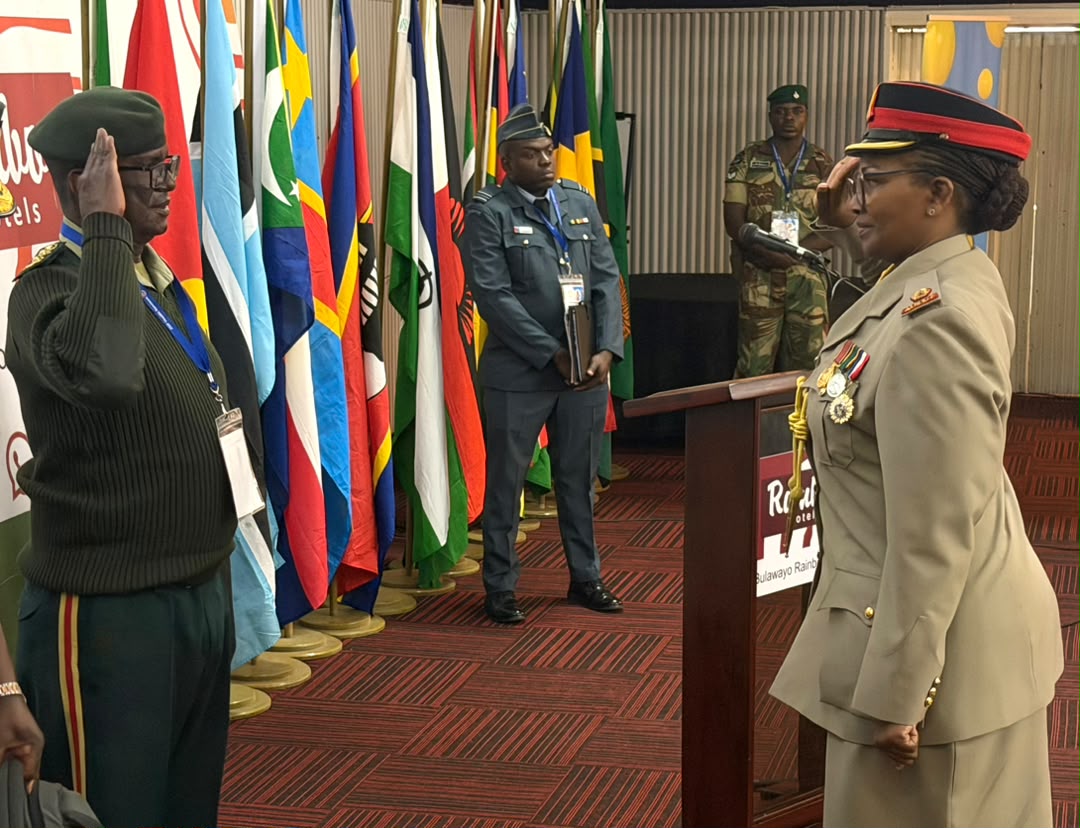
Beyond the presentations and discussions, the conference reflected the spirit of unity that defines the SADC community.
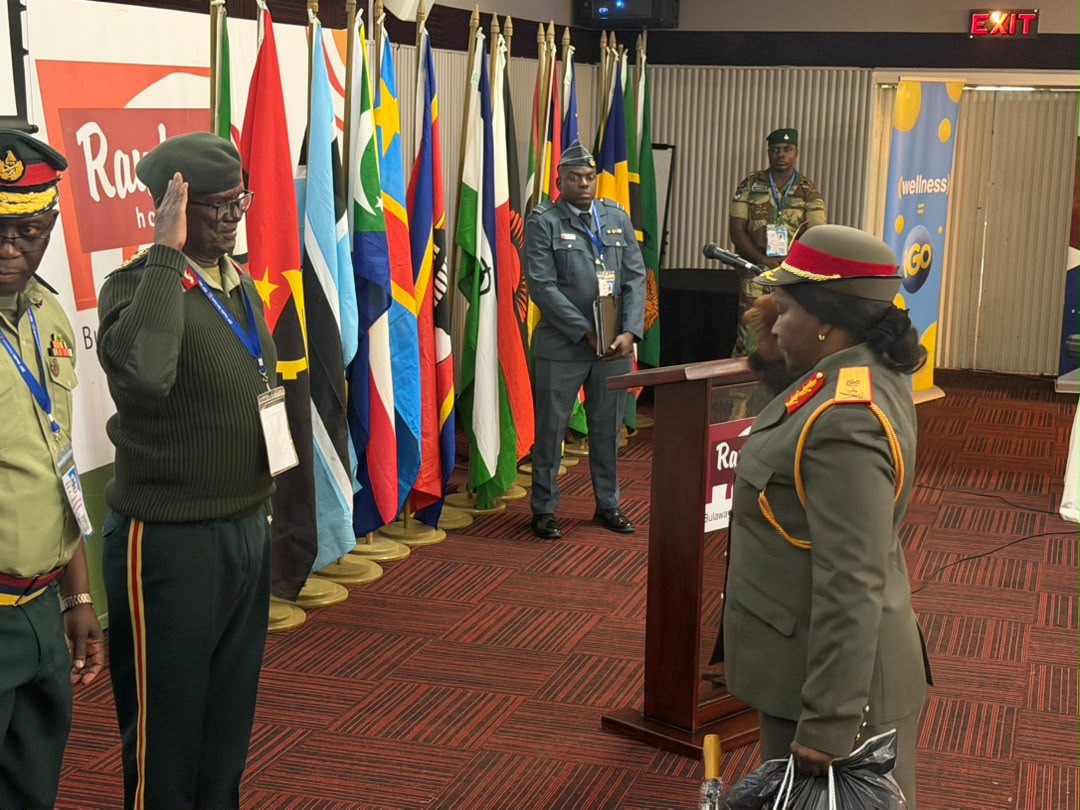
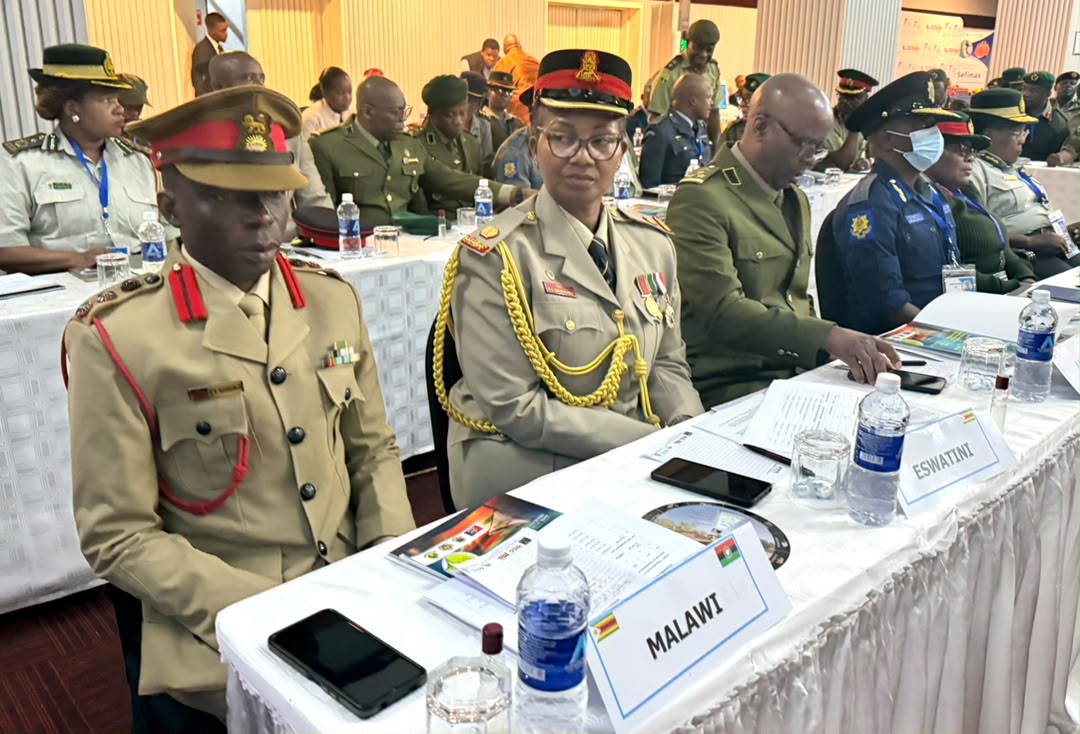
Officers from different countries interacted freely, exchanged ideas and demonstrated that while uniforms may differ from one nation to another, the challenges facing those entrusted with protecting their countries are increasingly shared.
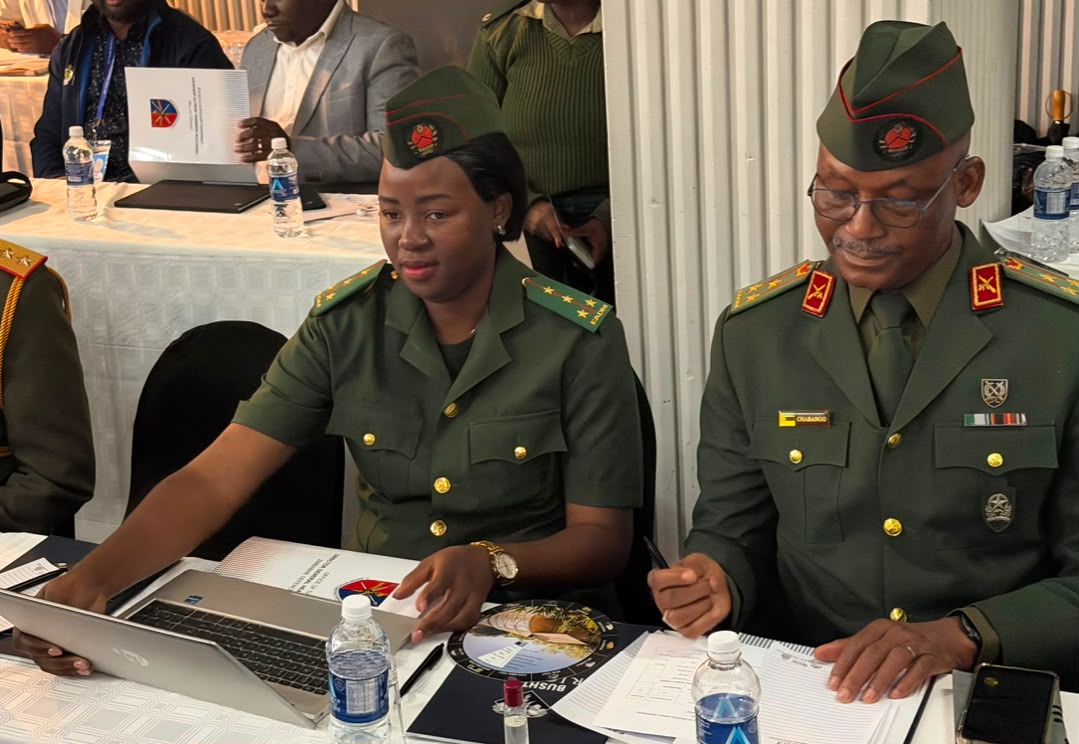
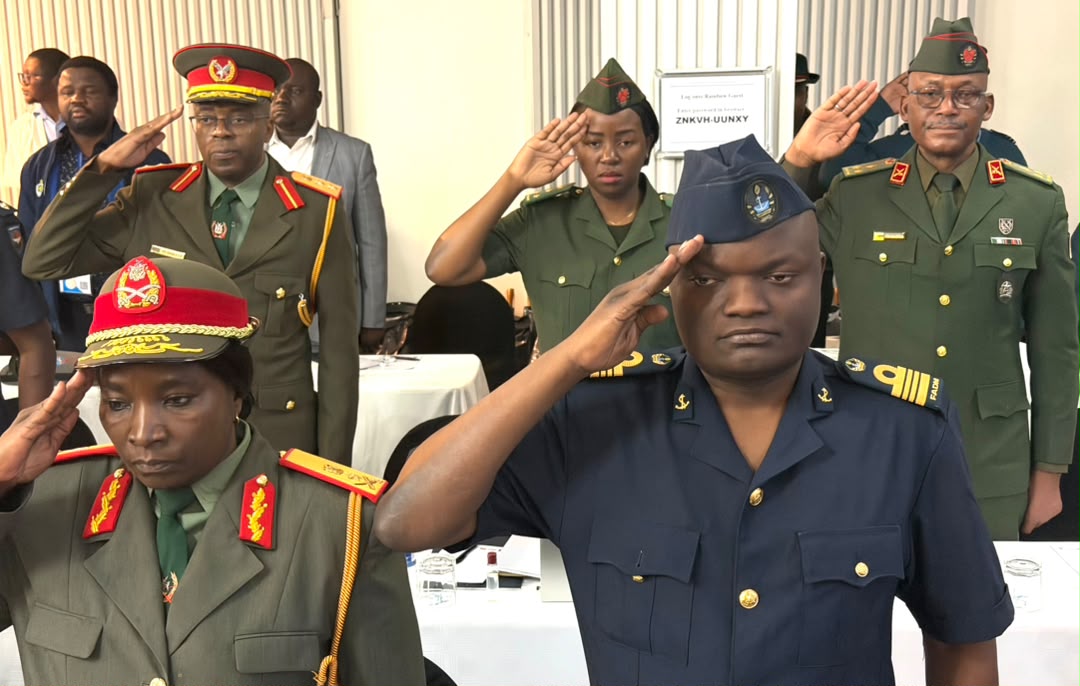
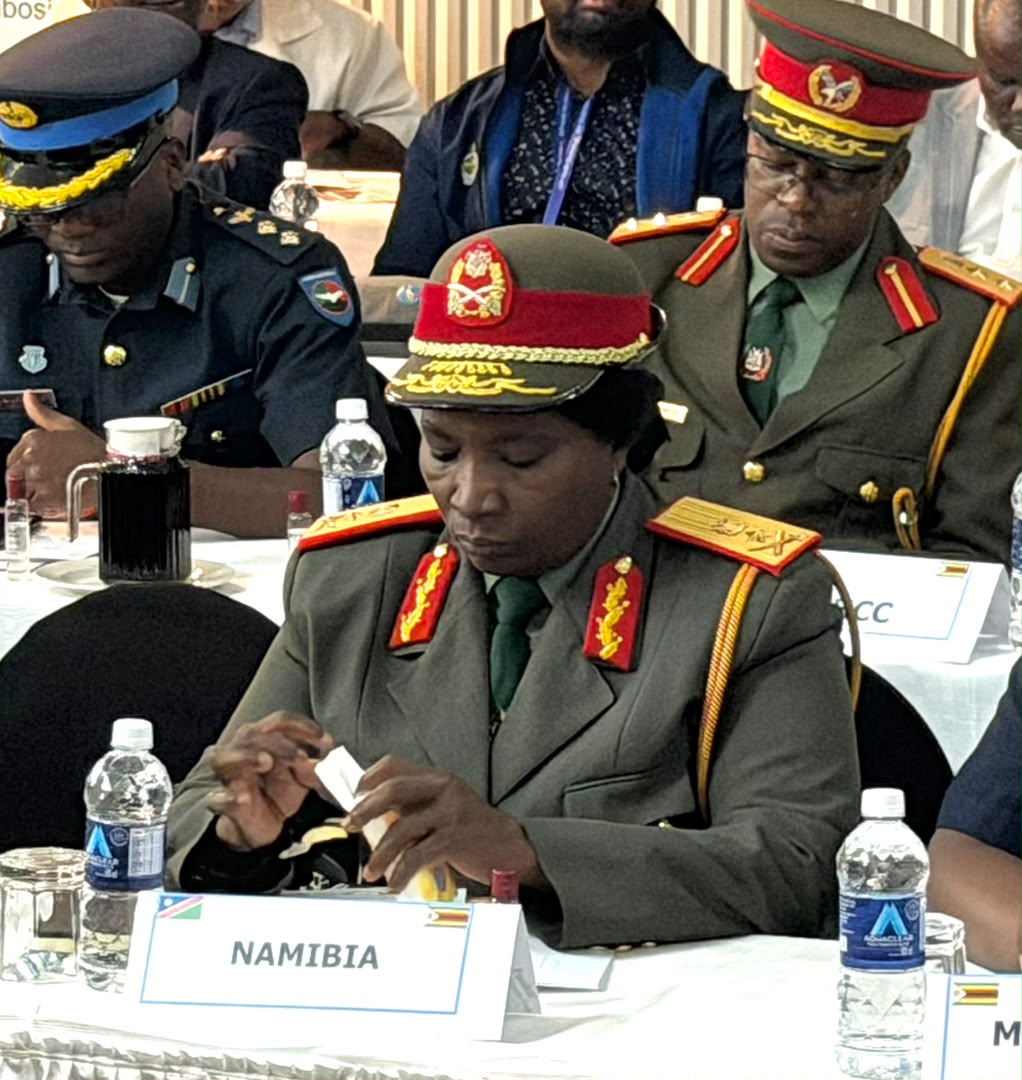
The images on these pages capture moments of engagement, reflection and collaboration as delegates participated in presentations, panel discussions and exhibitions showcasing advances in military healthcare.
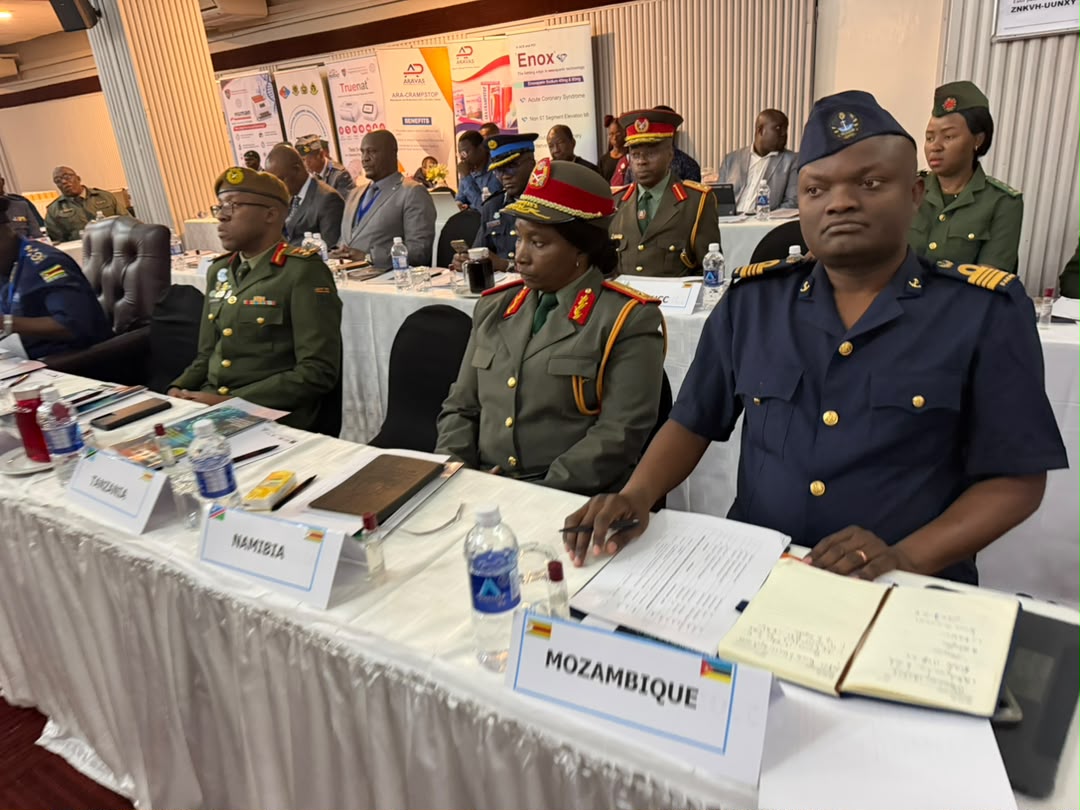
They also highlight the camaraderie that developed among participants brought together by a common purpose.
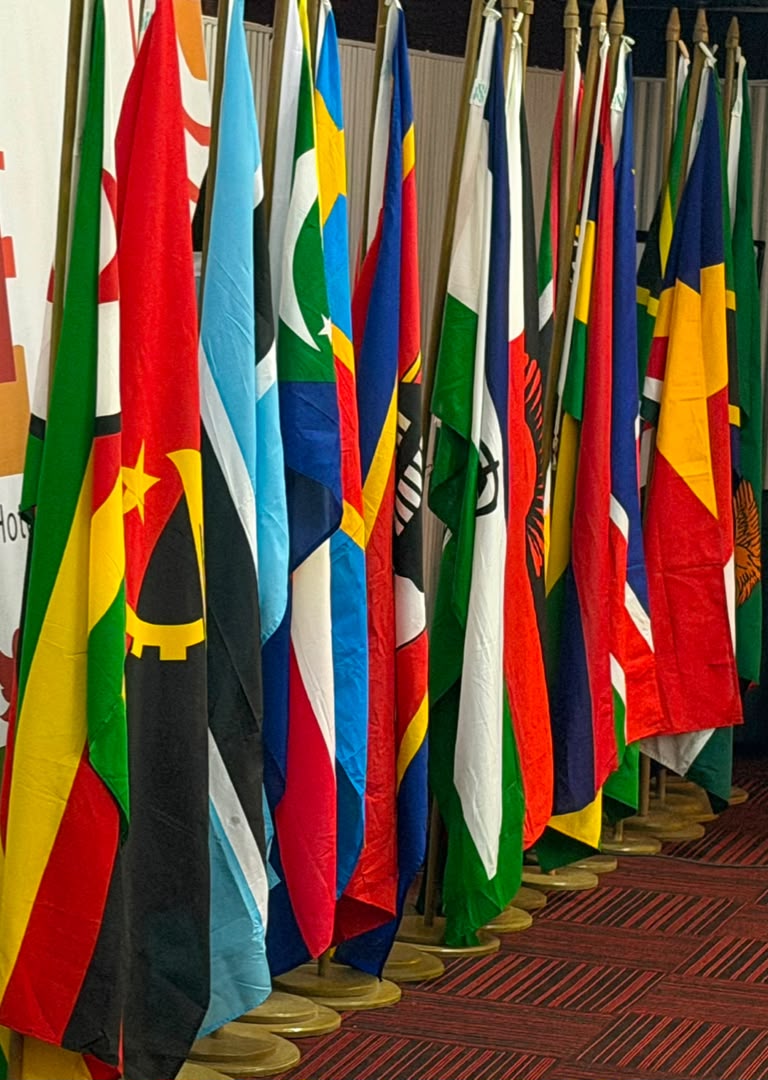
While soldiers are often associated with defending borders and responding to security threats, the conference served as a reminder that safeguarding the health of those in uniform is equally critical.
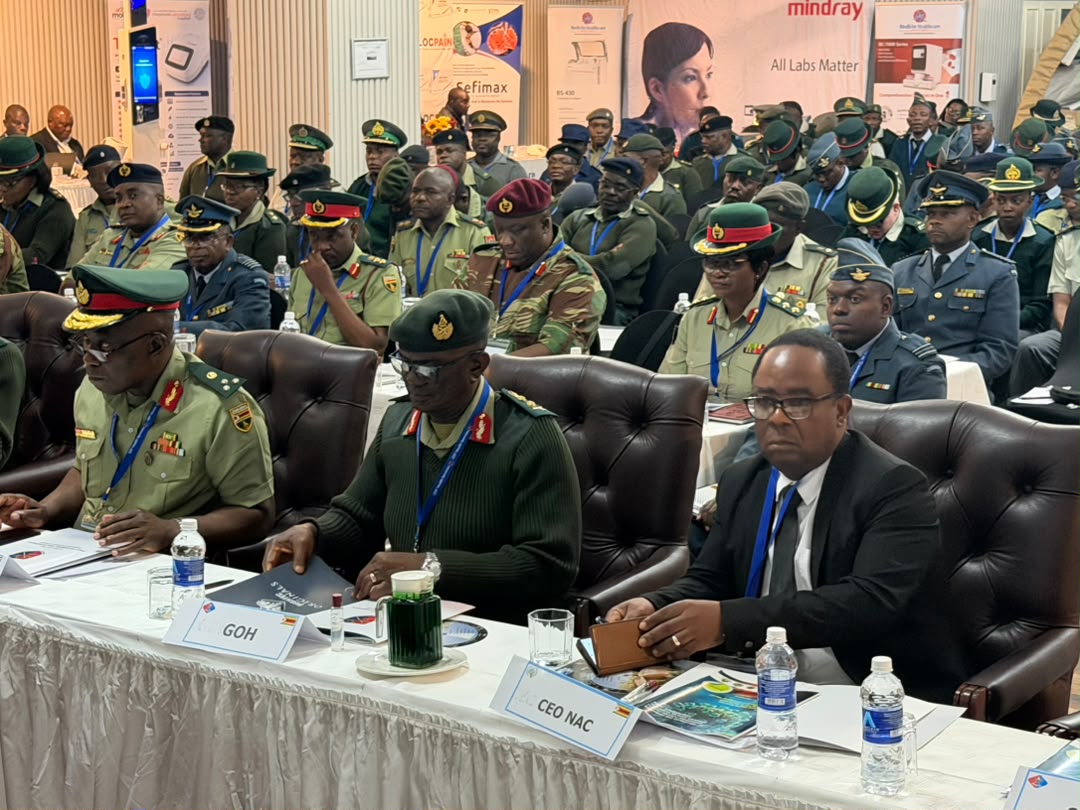
Healthy personnel are better equipped to serve their countries, respond to emergencies and support peacekeeping and humanitarian operations across the region.
As delegates return to their respective countries, they carry with them more than conference resolutions.
They leave with new ideas, stronger regional partnerships and a shared commitment to ensuring that the next generation of military healthcare is built on cooperation, innovation and integrated care—proof that some of the most important missions undertaken by the uniformed forces begin not on the battlefield, but in the clinic, the laboratory and the conference room.



 Online Reporter