Charles Mavhunga
Tourism Branding
Harare has a reputation problem that its people know is unfair.
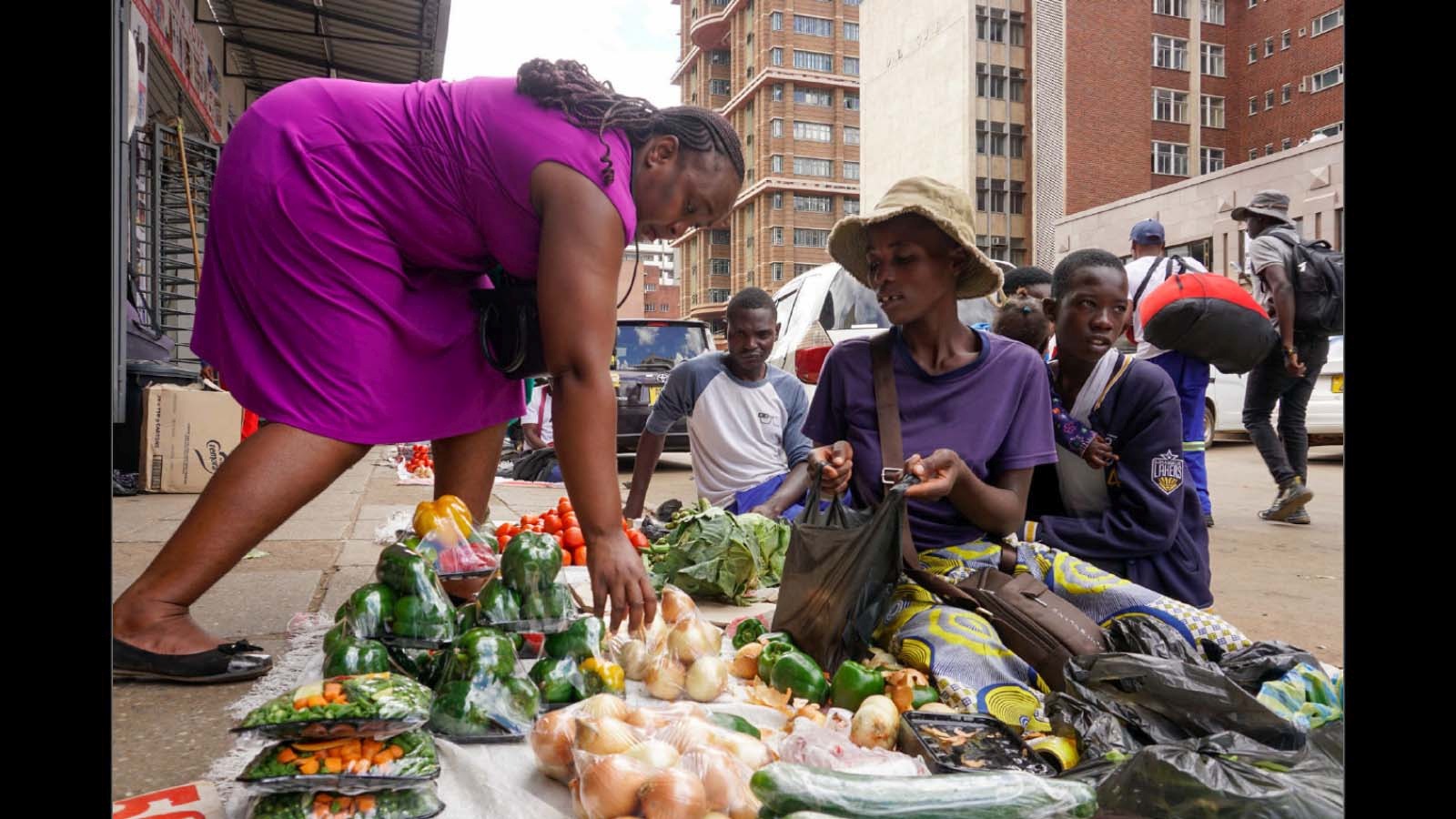
The city of jacaranda-lined avenues, the birthplace of Chimurenga music’s global influence, home to the National Gallery, Chapungu Sculpture Park and a thriving Shona stone sculpture tradition, is too often discussed only in terms of what is broken: uncollected refuse, blocked drains, informal trading spilling onto pavements.
Clean-up campaigns come and go. Yet a city cannot sweep its way to a new identity. It needs something that turns everyday urban infrastructure into a reason for people to visit, spend and return.
That something may be sitting in plain sight: the humble vending machine, reimagined as a smart, connected node in a cultural tourism app.
Harare does not need to choose between cleaning up and showing off. Smart vending can do both.
The Problem with Clean-Up Alone
Clean-up drives treat symptoms. A market is cleared, a street is swept, and within weeks the same pressures return because the underlying system, where people buy, where they dispose and where they find value, has not changed.
Vendors need legitimate, dignified places to trade. Visitors need reliable access to water, transport, credit, local snacks and authentic crafts.
The city needs data about where footfall, waste and spending actually occur.
Smart vending addresses all three. A networked kiosk or machine can sell products, collect payments digitally, monitor its own stock and fill levels, and take back packaging through deposit-return schemes. Crucially, it can also talk to a mobile app, which is where culture enters the picture.
What “Smart Vending” Means for Harare
Picture a solar-powered kiosk outside the Harare Gardens or near Robert Gabriel Mugabe Square. It sells bottled water, sadza-inspired ready meals, airtime, transit top-ups and small artisan items.
Each unit carries a QR code and NFC tag.
Tap it with the app and the visitor unlocks a story: a short audio clip on the history of the surrounding precinct, a map of nearby galleries, a playlist of Harare-born artists, or a coupon for a local guide.
Payment would run through the mobile money platforms Zimbabweans already use daily, such as EcoCash and other wallets, along with card and US dollar options. That matters.
Technology only works when it fits existing habits, and Zimbabwe’s mobile money penetration is among the strongest in the region.
Every purchase, scan and bottle returned becomes data.
City planners see which heritage sites attract interest, and which neighbourhoods are underserved. Artists and vendors see what sells.
Global examples worth learning from
Japan offers the most famous proof of concept. With millions of vending machines, the country has shown that automated retail can be safe, ubiquitous and culturally embedded.
In places like Kyoto, machines sell local specialties and regional crafts, while tourism operators have tied machines to QR-based regional promotions.
Norway and Germany show the environmental payoff. Their deposit-return systems, where reverse vending machines pay users for returned bottles, achieve return rates above 90 percent.
This is clean-up as a built-in habit rather than an occasional campaign, precisely the shift Harare needs.
Singapore integrates digital tourism tools with street-level infrastructure, using apps and contactless payments to guide visitors through heritage districts such as Kampong Glam and Chinatown, blending commerce with storytelling.
Kenya’s M-Pesa ecosystem demonstrates that African mobile money can underpin retail innovation at scale. Start-ups across East Africa have experimented with pay-as-you-go solar kiosks and digital vending, proving the model can work under local infrastructure constraints.
Medellín, Colombia transformed its global image through urban innovation, notably cable cars, public libraries and cultural programming in formerly marginalised neighbourhoods.
It shows that a city’s story can change when infrastructure is designed as an invitation, not just a utility.
Designing It Around People, Not Just Machines
The greatest risk is building technology that displaces the very people whose culture it claims to celebrate. Harare’s informal traders, sculptors, musicians and food sellers are the heart of its cultural economy. A smart vending programme should therefore be built with them.
Consider three principles:
First, vendor-owned nodes: allow cooperatives of local traders to operate and stock machines, keeping revenue within communities.
Second, creator marketplaces: let sculptors, painters and musicians list authentic works in the app, with vending points acting as pickup and display locations.
Third, fair data: publish open, anonymised data so that entrepreneurs, not only large firms, can identify opportunities.
Employment follows naturally: machine restocking, solar maintenance, bottle collection, app content creation, guiding and translation. For a young, digitally literate population, these are real jobs.
Overcoming the Obstacles
Challenges are real. Power supply is unreliable, which is why solar and battery storage should be standard from the start. Vandalism and theft require community ownership and sensible siting in well-lit, high-traffic areas.
Connectivity gaps can be handled with offline-capable apps that sync when a signal returns. Currency volatility calls for flexible pricing across multiple payment channels.
And funding might come from a blend of municipal partnerships, tourism boards, beverage companies seeking recycling credentials, and development finance.
A phased pilot is wise: begin with ten machines across three precincts, measure usage and revenue, gather feedback, then scale.
From Clean City to Living City, Harare’s future as a cultural destination will not be secured by cleaner pavements alone, valuable as they are. It will be secured by giving visitors and residents a reason to engage: stories to hear, crafts to buy, places to discover and systems that quietly work in the background.
Smart vending, connected to a thoughtfully designed cultural tourism app, offers exactly that bridge. It turns waste into value, transactions into narratives and infrastructure into invitation.
Japan, Norway, Singapore, Kenya and Colombia have each shown a piece of the puzzle.
Harare can assemble its own version, one that is unmistakably Zimbabwean, owned by its people and powered by its creativity.
The question is no longer whether Harare can clean up its image. It is whether the city will seize the chance to design something worth visiting.
Charles Mavhunga is a Zimbabwean scholar, author, and cultural ambassador pursuing a PhD in Management at Bindura University of Science Education. He is the author of Mbira Virtuosos: Stories of Zimbabwean Mbira Legends (available on Amazon) and co-author of Business Enterprising Skills (Forms 1–4), published by Gramsol Books, Harare, and approved by Zimbabwe’s Ministry of Primary and Secondary Education.
A recognised Global Cultural Ambassador and member of the Council for the Development of Social Science Research in Africa (CODESRIA), he contributes weekly to The Herald, where he has published over 300 articles on tourism branding. He can be reached at [email protected] or +263 772 989 816