Gibson Mhaka in Moscow, RUSSIA
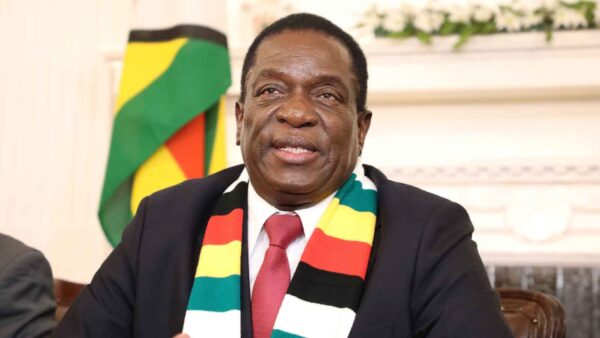
PRESIDENT Mnangagwa’s domestic development philosophy, anchored on the mantra “Nyika inovakwa nevene vayo/Ilizwe liyakhiwa ngabanikazi balo” (a country is built by its own people), found resonance here at the Third Russia-Africa Summit, with a senior Russian official urging African countries to harness home-grown solutions, technological independence and strategic partnerships to navigate sanctions.
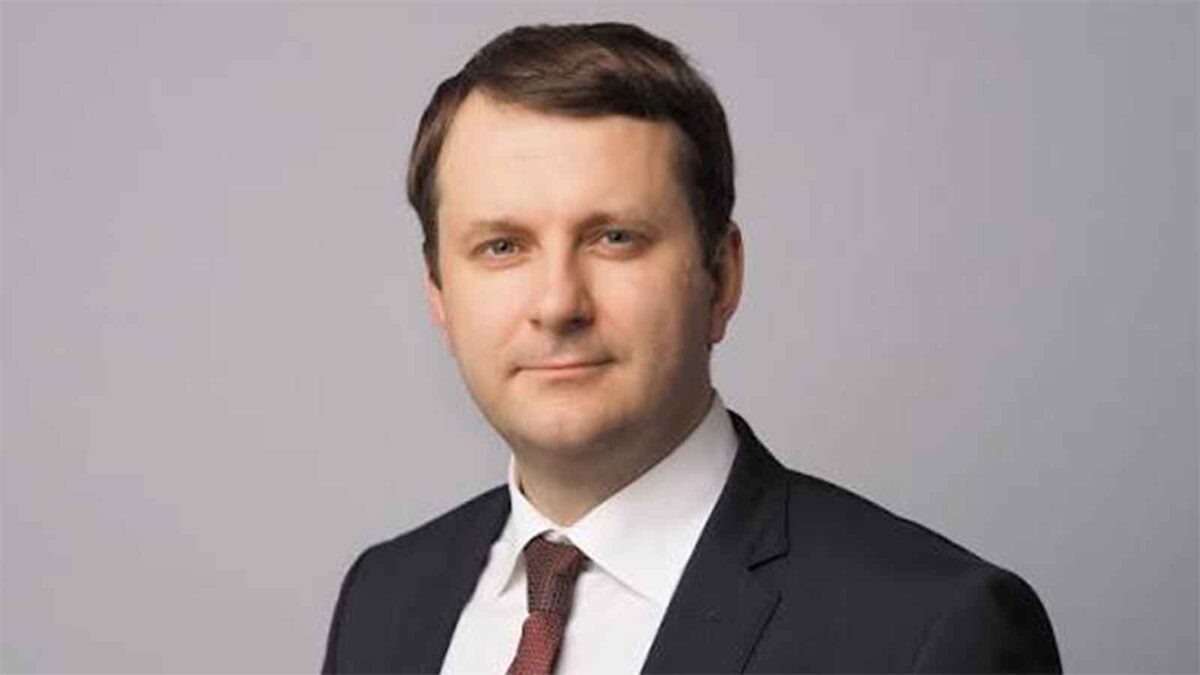
The message emerged during the Russia-Africa Media Forum participants’ meeting with deputy chief of the executive office of the President of the Russian Federation, Mr Maxim Oreshkin, who drew on Russian experience to explain how countries facing external restrictions could strengthen their economies through domestic policies.
Responding to a question on how African countries such as Zimbabwe could manoeuvre under sanctions, Mr Oreshkin argued that restrictions should be treated as a challenge requiring strategic adaptation rather than an insurmountable barrier to development.
“Sanctions do not impede you if you believe in yourself and believe in moving forward. Looking at Russia today, those who declared sanctions have also suffered losses, including disrupted markets and higher energy costs,” he said.
Russia had responded to mounting economic pressure by pursuing domestic solutions, strengthening local production and diversifying its trading relationships.
“Sanctions are not a problem; they are a challenge. They can make a country more resilient,” he said, emphasising the importance of preparing for difficult economic scenarios instead of relying excessively on external suppliers.
Following the escalation of Western sanctions in February 2022, Russia expanded its import-substitution drive, sought to develop domestic technological capacity and redirected significant energy trade towards Asian markets.
These measures helped the country adjust to changing commercial relationships, although dependence on imported technology remains a challenge.
Mr Oreshkin said the experience demonstrated the importance of countries believing in their own capabilities and working with reliable international partners.
“Sanctions made us pursue technological independence. They have pushed us to strengthen our economy through our own solutions,” he said.
The remarks carry particular relevance for Zimbabwe, which has consistently advocated the removal of Western sanctions, while pursuing domestic economic transformation under President Mnangagwa’s development agenda.
The philosophy “Nyika inovakwa nevene vayo/Ilizwe liyakhiwa ngabanikazi balo” places responsibility for national development on Zimbabweans themselves, encouraging investment in local production, infrastructure, agriculture, mining and industrialisation.
The approach also aligns with the Government’s broader emphasis on economic sovereignty, value addition and beneficiation, with domestic resources expected to underpin sustainable growth and reduce dependence on imported goods.
However, Russia’s experience also illustrates that domestic production alone may not eliminate technological and supply-chain vulnerabilities, making partnerships, access to markets and investment in innovation important components of economic resilience.
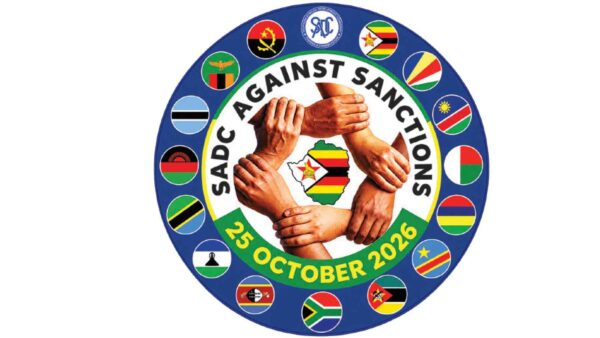
Zimbabwe marks SADC Anti-Sanctions Day every October 25, a regional solidarity initiative established in 2019 to press for the unconditional removal of sanctions imposed on the country.
Mr Oreshkin also outlined areas in which Russia could deepen cooperation with African countries, identifying agriculture, food security and energy among potential fields for collaboration.
“We want to promote sovereignty and technology,” he said, pointing to joint project implementation as an important basis for practical cooperation between Russian and African enterprises.
He cautioned against treating Russian support as an automatic source of funding, stressing that African businesses also needed to identify suitable partners and develop commercially viable projects.
“What we are looking at is the joint implementation of projects. We mean joint work, so it is important not simply to count on money from Russia. Local companies have to look for partners,” he said.
For Zimbabwe, the message highlights the potential value of partnerships that combine domestic initiative with foreign expertise, investment and access to markets.
As Zimbabwe continues to call for sanctions removal, the discussions in Moscow underscored a parallel priority, strengthening productive capacity at home while building partnerships capable of supporting long-term economic transformation.
The central lesson from Mr Oreshkin’s intervention was that national resilience requires confidence, preparation and sustained investment in domestic capabilities, complemented by cooperation with partners willing to pursue mutually beneficial projects.