Online Reporter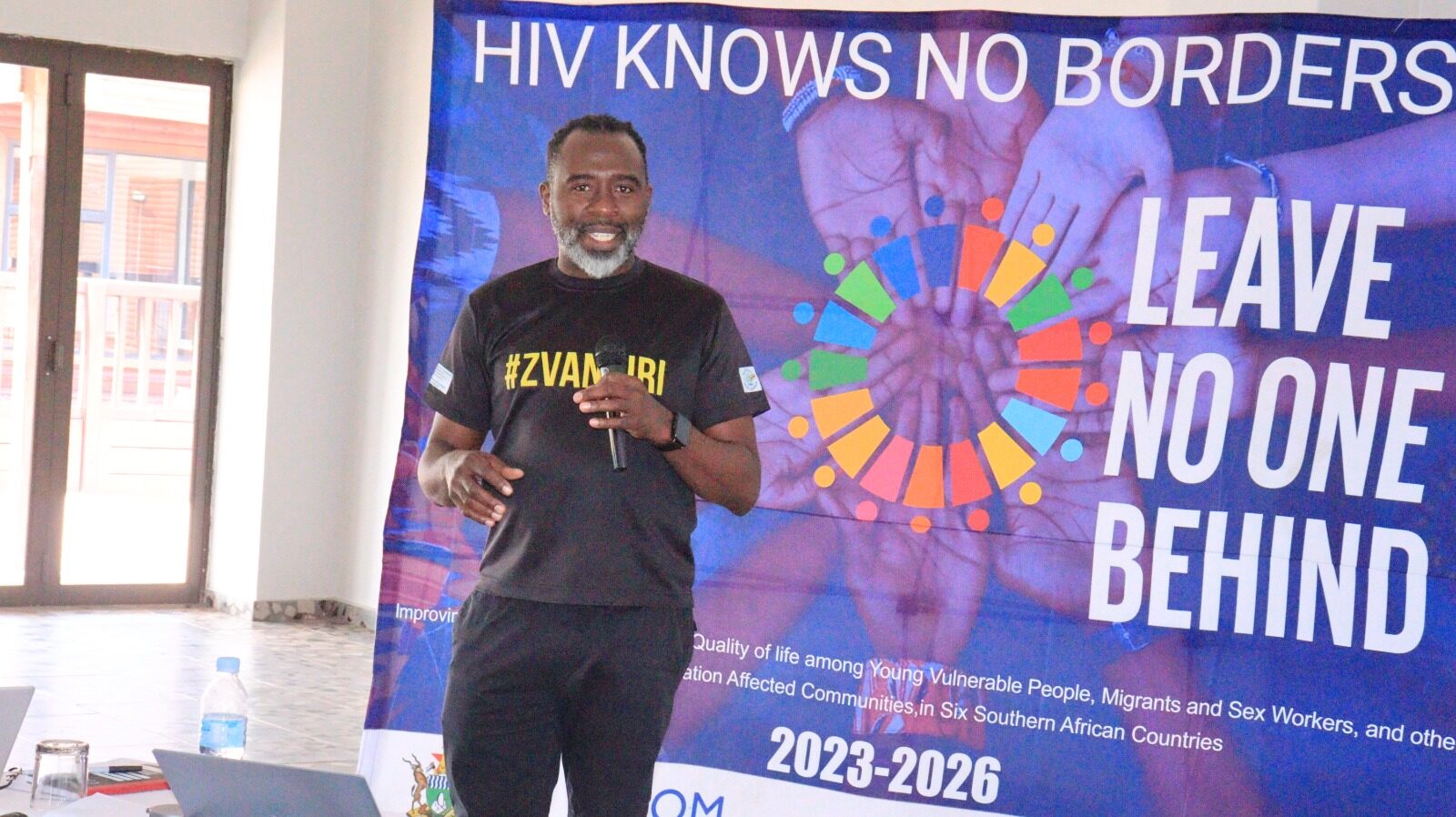
Thupeyo Muleya Beitbridge Bureau
Public health and migration stakeholders in Beitbridge have raised concern over low uptake of sexual and reproductive health services by men along the busy migration corridor, calling for the urgent rollout of more targeted programmes to encourage men to come forward.
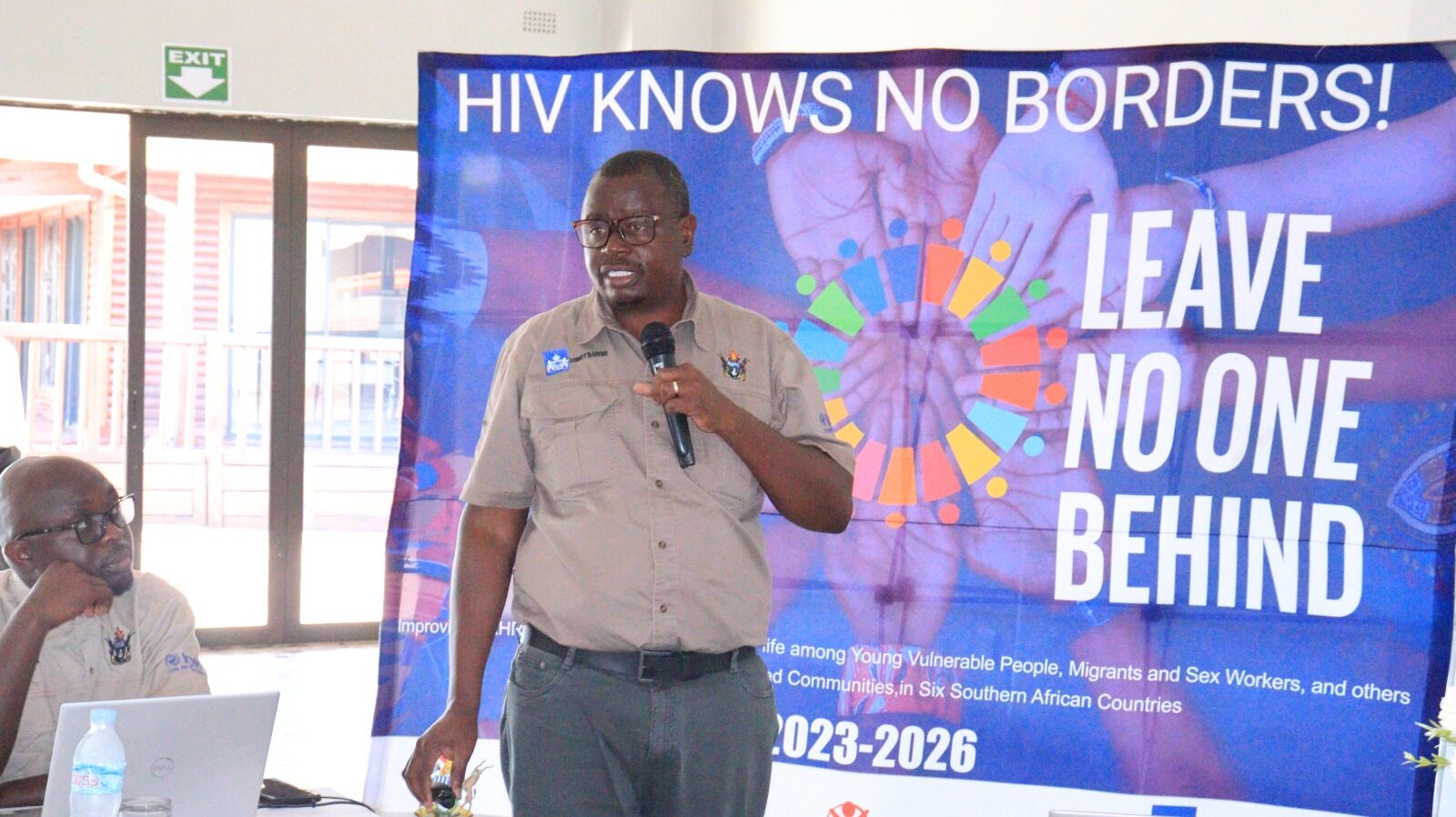
Speaking during a media engagement meeting outside the border town recently, officials said emerging trends show that men in the Beitbridge migration corridor remain reluctant to access SRH services, despite the availability of clinics and outreach programmes.
The programme was held as part of the SRHR-HIV Knows No Borders (KNB) initiative is a regional programme in Southern Africa designed to improve sexual and reproductive health and HIV services for migrants, young people, sex workers, and migration-affected communities.
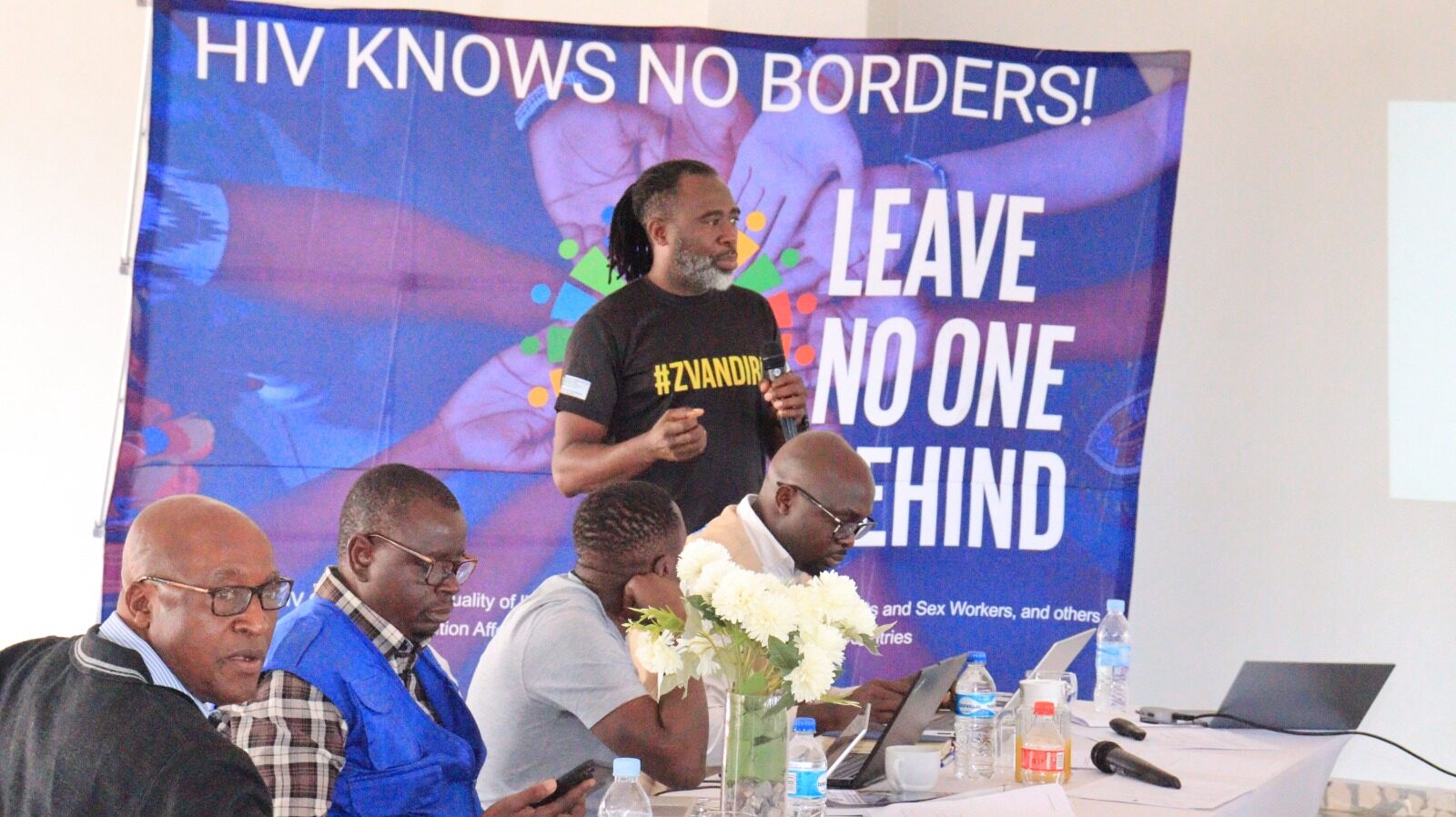
It is being implemented by the International Organisation for Migration (IOM) and Save the Children, with Family Support Trust and government stakeholders.
IOM Head of Sub-Office in Beitbridge, Mr Nhamo Muleya, said migration patterns were exposing more men to health risks, yet cultural barriers and mobility continued to limit access.
“We are seeing that men in transit and those working along the corridor are not accessing SRH services as much as they should. Mobility, stigma and the perception that these services are for women are some of the key challenges. As IOM, we are supporting government initiatives that bring services closer to men at border posts, truck stops and in communities,” said Mr Muleya.
He said between 2023 and this year, the SRHR had reached out to 79,917 with HIV related information, with 10,507 being referred for services, and of that number, 8,341 receiving services or support.
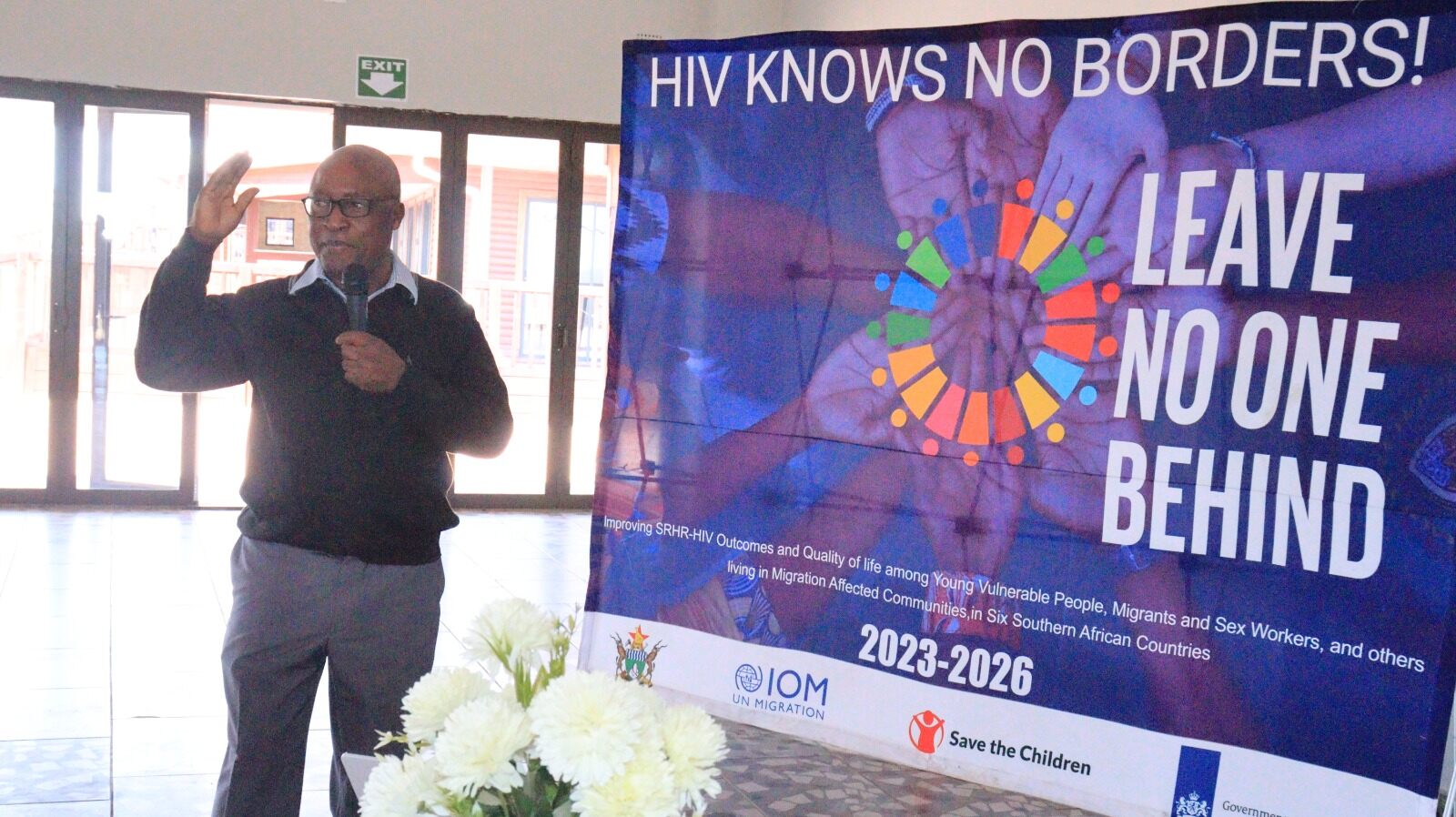
Mr Muleya said they had reached out to 49, 790 young vulnerable people, 23, 795 migrants and 6,333 sex workers during the period under review.
“The KNB combined health information and referrals with economic strengthening, leader engagement, dialogue and cross-border coordination, where 586 people were trained, 450 community leaders were sensitised, and 80 dialogues and seven Cross-border meetings were conducted,” he said.
Beitbridge District AIDS Coordinator, Mr Edward Mulaudzi, said more community engagements were being planned to break down barriers and bring men into the conversation.
“We have noted with concern that men are lagging when it comes to SRH. More engagements are underway with traditional leaders, transport operators and faith leaders to create safe spaces where men can access information and services without fear of judgment,” said Mr Mulaudzi.
Beitbridge District Medical Officer, Dr Lenos Samhere, said the Ministry of Health and Child Care was already rolling out several male-focused programmes to increase uptake.
“The ministry is rolling out several programmes to motivate men to access SRH services. These include male-friendly clinic days, workplace and border outreaches, and the integration of SRH into other health services that men already use. We want men to understand that SRH is also about their health, their families and the future of our communities,” said Dr Samhere.
Stakeholders agreed that addressing the gap will require collaboration between government, migration agencies, civil society, the media and communities to ensure services are accessible, acceptable and responsive to the needs of men on the move.
Beitbridge handles thousands of travellers daily, and the officials said investing in men’s health was critical to broader public health goals, including HIV prevention, maternal health and the wellbeing of families left behind and on the move.