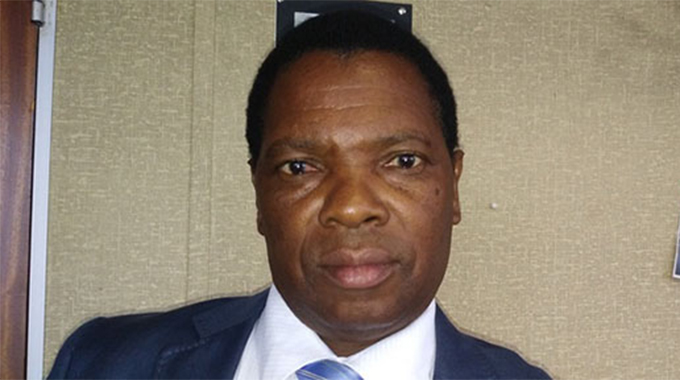
Oliver Kazunga
Senior Reporter
THE Rural Electrification Agency has deployed at least 211 construction teams across 272 grid projects to connect 375 rural schools and clinics, as the Government pushes to achieve universal energy access in public institutions by year-end.
Alongside national grid extensions, REA is constructing 255 institutional solar micro-grids and a 120kW community solar mini-grid at Kamhonde in Makonde District, Mashonaland West Province.
REA public relations and marketing executive Mr Johannes Nyamayedenga said 22 projects were completed and energised across various districts last week.
“We are working towards completing the electrification of both schools and clinics in all the rural areas of Zimbabwe,” said Mr Nyamayedenga.
According to updated figures from the agency, 4 572 out of 6 040 rural primary schools have been electrified, leaving 1 468 pending. In secondary education, 2 515 out of 2 926 schools are connected, with 411 remaining.
“As for rural health centres, 1 890 out of 1 969 clinics are electrified and only 79 remain,” said Mr Nyamayedenga.
“As REA, we want to overcome darkness with light in all our clinics for the good of patients, especially expecting mothers who are sometimes forced to visit health facilities at odd hours.”
Beyond schools and health facilities, REA is connecting business centres, small-scale farms, irrigation schemes, Government extension offices and village homesteads to support rural industrialisation under Vision 2030.
Established in 2002 under the Rural Electrification Fund Act (Chapter 13:20), it had electrified over 11 000 rural institutions as of May 4, representing about 82 percent of targeted public facilities. Once grid network construction is complete, the infrastructure is handed over to the Zimbabwe Electricity Transmission and Distribution Company (ZETDC) for operation and maintenance.