A NUMBER of journalists, including some from established media organisations, have been complaining that they faced restrictions while they were covering the funeral of businessman Wicknell Chivayo and his wife Lucy Muteke.
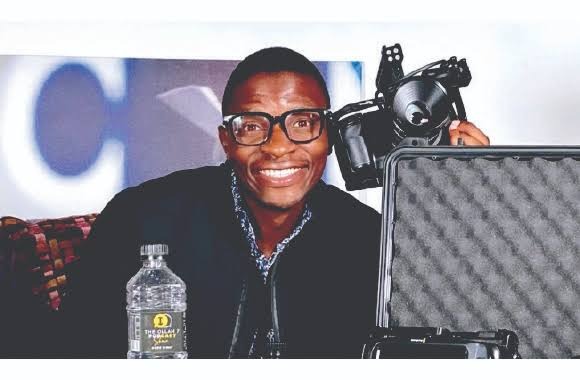
The Zimbabwe Online Content Creators Association yesterday issued a statement in which they claimed podcaster Ollah 7, whose real name is Owen Madondo, was allegedly responsible for restricting their work.
Madondo claimed that he was engaged as the official media partner, of the Chivayo family, for the coverage of the businessman’s funeral.
Our sister radio station, Star FM, also reported that they faced several challenges, including being turned away by some security guards, when they were covering the funeral.
This is deeply troubling and raises important questions about media freedom, professionalism and the rights of the public to receive information from different sources.
Funerals of prominent Zimbabweans naturally attract significant public interest, particularly when the deceased was a well-known businessman, philanthropist and supporter of several sectors of society.
The funeral of Sir Wicknell was therefore always going to draw journalists, photographers, broadcasters and digital media practitioners seeking to document the occasion and provide coverage to the public.
It is understandable that organisers may have needed to control crowds, manage security and ensure that proceedings were conducted with dignity.
However, controlling access should not become an excuse for selectively shutting out journalists.
Journalism thrives on diversity.
Different journalists ask different questions, capture different moments and present different perspectives.
A story covered by one journalist is not necessarily the same story that would be produced by another.
Restricting access, therefore, deprives the public of that diversity.
Family members could have established a clear accreditation system, provided designated media areas or rotated journalists and photographers.
If security was the concern, appropriate security measures could have been put in place without unnecessarily excluding professionals who were simply trying to do their jobs.
The Chivayo funeral should be remembered for celebrating the life and legacy of the deceased, not for unnecessary disputes over who was allowed to cover it.
Journalists should compete through the quality of their reporting, not by preventing colleagues from accessing the same news.
The public deserves a free, diverse and professional media.
Sir Wicknell repeatedly said he was a man of the people.
Now and again, he used social media to reach out to his followers to reveal the latest beneficiaries of his cash and car gifts.
He knew the importance of ensuring that people knew whatever he was doing. One of his best interviews was the one he gave to Capitalk which, just like StarFM, is our sister radio station.
This means he also understood that mainstream media was also just as powerful, if not more powerful, than social media.
Therefore, against that background, it is disappointing that some StarFM journalists found themselves facing various challenges to try and cover Sir Wicknell’s funeral.
We won’t rush to blame Ollah 7.
It’s his job to defend himself and show that he didn’t create an environment to ensure that many journalists were restricted from performing their duties.