


 Online Reporter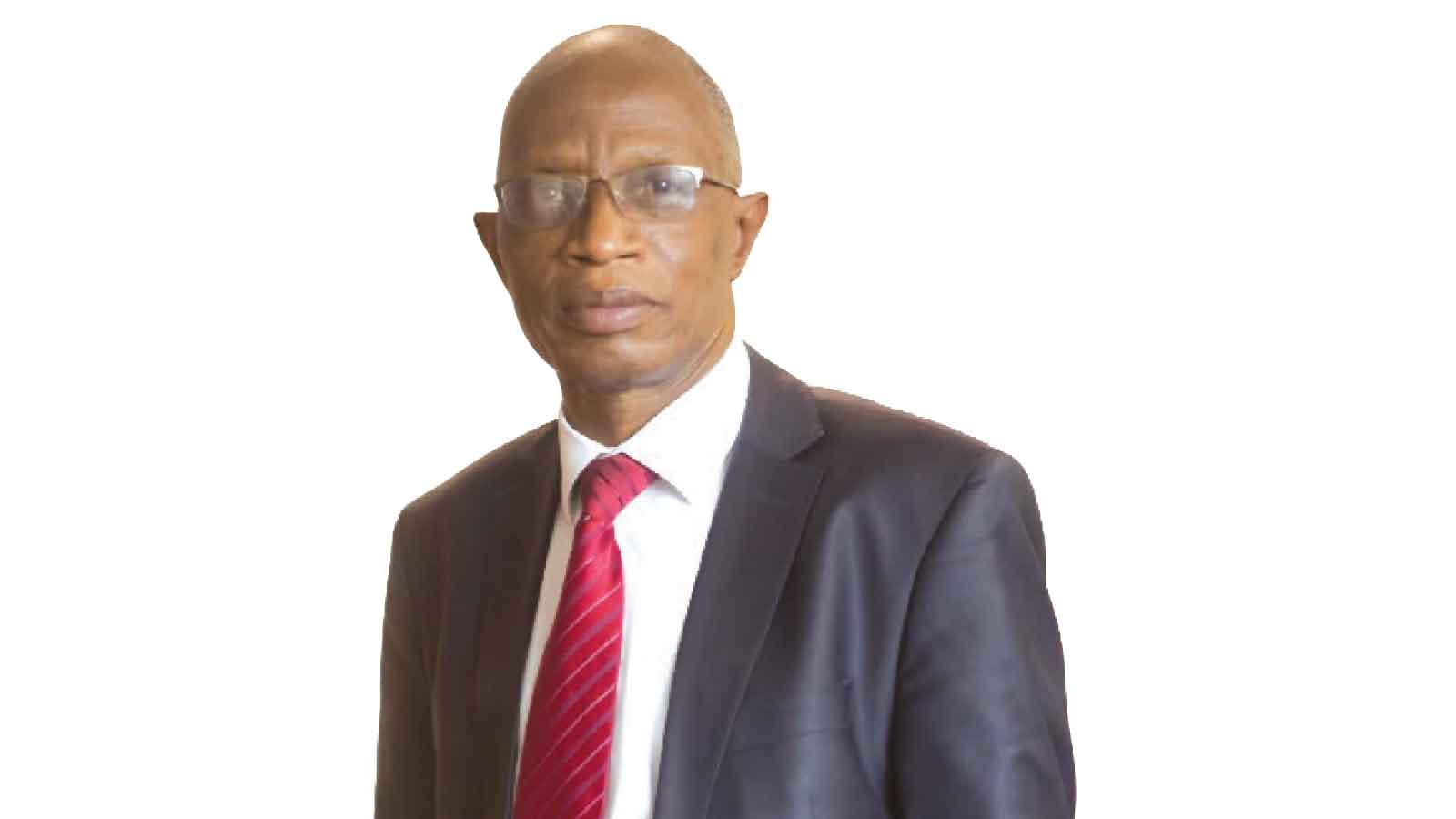
The Civil Registry Department is undergoing a major transformation aimed at improving efficiency, accessibility and service delivery for Zimbabweans at home and in the diaspora. Zimpapers Reporter DEBRA MATABVU interviewed Registrar-General MR HENRY MACHIRI, who outlined how the rollout of e-passports, decentralisation of services to districts, computerisation of registry offices and expansion of mobile registration programmes are reducing queues, cutting processing times and curbing corruption. He also highlighted ongoing efforts to improve access to vital documents, including birth certificates and national identity cards, while aligning operations with the National Development Strategy 2.
*******************
Q: Can you outline the progress made so far in modernising the Civil Registry Department and what specific systems or technologies have been introduced to improve efficiency, security and service delivery?
A: The Civil Registry Department is responsible for all vital registrations — births, deaths, national identity documents, passports, citizenship and also life events. We first computerised our systems in 1997. However, under the Second Republic, we have upgraded that system to make it more efficient, and we are already seeing the results.
We are now going further to ensure that this upgraded system is extended to sub-offices at district and provincial levels, meaning these centres are also being computerised. As a result, we are now more efficient than we were before. Beyond the system itself, we are also focusing on staff training, particularly in public relations, to ensure that when our officers interact with clients, they do so in a humane and professional manner.
We want to eliminate negative attitudes and improve the overall customer experience. In terms of passports, we introduced a new system and began issuing e-passports in 2022. Previously, passport services were only available at provincial offices, but we are now decentralising to strategic districts to bring services closer to the people. This process is ongoing. The passport system also requires proper infrastructure — not only for staff, but also for equipment.
Where such facilities are lacking, we are making efforts to secure better accommodation, including constructing new buildings. For example, on September 25 last year, a new building — whose construction began in 2023 — was commissioned by the Minister of Home Affairs and Cultural Heritage, Honourable Kazembe Kazembe. We require similar facilities at provincial centres such as Masvingo and Bindura, and we expect to begin work on these. At district level, a number of centres are now issuing passports, which was not the case before.
In Harare, services were previously limited to Makombe Building, yet areas like Chitungwiza have populations larger than some provinces. We have, therefore, established a passport office in Chitungwiza to ease pressure on Harare, significantly reducing queues. In Mashonaland East province, the provincial centre is Marondera, and people from areas such as Mudzi and Uzumba used to travel there. We have now established a passport centre in Murewa, which serves Uzumba-Maramba-Pfungwe, Mudzi, Mutoko and Murewa itself.
In Matabeleland North province, we have introduced passport services in Hwange district, serving Hwange and Victoria Falls, while Lupane remains the provincial centre. Previously, people from that province had to travel to Bulawayo — for example, someone from Victoria Falls would travel over 400 kilometres just to apply for a passport. In Matabeleland South province, Beitbridge is now providing services not only to locals but also to Zimbabweans in the northern parts of South Africa, who can cross the border and apply.
We have also expanded services to districts such as Chipinge, Mwenezi and Mazowe, which previously did not issue passports. This is an ongoing project, and, resources permitting, we will continue expanding to more districts.
Regarding national identity documents, the department has 209 sub-offices. Our goal is to ensure that all these centres are computerised. Many of those already upgraded are now linked through satellite systems, especially in remote areas where fibre connectivity is not available. This ensures that even people in remote locations can access real time online services connected to the central system.
Q: In terms of the rollout of passport centres across the country, how many centres have been fully established?
A: We now have 18 fully established passport centres. Previously, services were only available at provincial offices, but we have expanded to 18 centres. However, Masvingo and Bindura are not yet included in this number, as we are still constructing suitable infrastructure in those locations. This work is being done in partnership with our service provider.
Q: Are there any additional centres that are currently under development or in the pipeline?
A: Yes. Within Zimbabwe, we are still assessing where we can expand further, particularly where suitable accommodation is available. Outside the country, we are close to completing a centre in London. We are also working on Botswana and will then move to other countries such as Australia. Our focus is on countries with significant Zimbabwean populations.
Q: Have you seen an increase in passport applications from Zimbabweans living abroad since the rollout began?
A: Yes, we have, especially in South Africa, which hosts the largest number of Zimbabweans. Previously, many people did not have travel documents, which made them illegal in that country. The process was also cumbersome — applicants had to go through embassies, send documents to relatives in Harare and sometimes encounter challenges such as misuse of funds. With the introduction of the new system, it has become much easier. As a result, the number of passport applications at embassies has increased significantly. Turnaround times have also improved greatly, both locally and abroad.
Previously, passports could take six months or even up to a year. Now, the standard processing time is seven working days — regardless of location. Whether you are in Rwanda or Harare, the processing time is the same. This is a major advantage for citizens, as accessing passports is no longer a struggle.
In the past, due to system challenges, passports became scarce and long queues were common. People would sleep overnight at offices just to be served, and some had to take time off work. Now, that is no longer the case. Clients are attended to within a short time — often in less than an hour. The long queues and associated risks, such as theft, have been eliminated.
Q: And what challenges have you encountered in servicing Zimbabwe’s diaspora community through these centres?
A: The challenges we have encountered are not many. Firstly, some clients do not have the required supporting documents when they come to apply for passports. For example, they may not have national identity documents because they lost them.
This means they first need to obtain replacements before they can proceed with passport applications. We are working on addressing this so that they can also access these documents while they are outside the country, and this is progressing well. Initially, particularly in South Africa, many of our clients did not have bank accounts.
This is often because they are staying there informally and cannot easily open accounts. As a result, they had to rely on cash when applying for passports. However, using cash is not ideal, especially outside the country, as it exposes them to risks such as theft. People carrying cash can easily be targeted. We have since worked on mechanisms to ensure that they can pay for these services more safely and conveniently. As a result of these improvements, more people are now coming forward to apply for passports. The process is now faster and no longer seen as a hassle.
Previously, people would avoid applying because they feared losing their jobs or spending too much time in queues. Now, accessing services is much easier — you simply come in and are assisted, almost like going into a supermarket. This is the standard we want for all our services. It benefits clients and also helps reduce corruption, which had increased when passports were scarce and in high demand.
We are continuing to work towards eliminating corruption completely.
Q: The department has previously faced challenges with the procurement of consumables for birth certificates. What is the current situation, and what measures are being put in place to ensure consistent availability of these materials going forward?
A: Yes, we did face challenges, mainly due to limited financial resources to procure consumables. We had accumulated arrears with suppliers, but Treasury has since intervened, and these suppliers have now been paid.
Beyond settling arrears, we are also working to ensure that we maintain adequate stock levels so that such shortages do not happen again.
Currently, all our offices are fully operational and issuing documents that were previously affected by shortages. These documents are a constitutional right, and as a department, we have a responsibility to ensure that citizens can access them.
Read more on www.heraldonline.co.zw
Q: The Government was reportedly working on providing birth certificates immediately upon birth at hospitals. What is the current status of that initiative?
A: The programme is still in progress.
At major hospitals, we already have sub-offices in place. These include Parirenyatwa, Sally Mugabe and Mpilo hospitals.
At district level, we have also established sub-offices at hospitals where parents can obtain birth certificates or at least initiate the process immediately after birth.
These services also extend to death registrations. This approach ensures that services are brought closer to the people. For example, even at Maphisa Hospital — where Independence Day celebrations will be held — the sub-office is located within the hospital.
Q: Can you give us an update on the rollout of the online passport application initiative?
A: The initiative has reached an advanced stage. We are working on it, and as I indicated last week, it is expected to be completed this year.
Citizens should expect this service to be available within the course of the year.
Q: Are there any plans to roll out mobile civil registration exercises to reach marginalised and remote communities?
A: Yes, we do have such plans.
When resources are available, we conduct national mobile registration exercises covering the whole country. The last nationwide exercise was conducted in 2023. However, even when we do not have resources for a national programme, we carry out targeted mobile registration in disadvantaged and remote areas.
Last year, we conducted more than 10 such exercises, and we are continuing with the same approach this year, often with support from partners such as UNICEF (United Nations Children’s Fund). For example, just two weeks ago, we conducted a mobile registration exercise in Zaka, in collaboration with another organisation.
Q: How is the Civil Registry Department aligning its operations with the National Development Strategy 2 (NDS2), and what key targets has the department set?
A: Under NDS2, one of our key focus areas is infrastructure. We currently have 209 sub-offices, but some are in dilapidated conditions that are not suitable for staff or clients.
We are targeting the refurbishment of these offices, as well as the establishment of new ones. This is in line with the national vision of leaving no place and no one behind.
We want to bring services closer to the people so that citizens do not have to travel long distances — sometimes 70 or 80 kilometres — to access them. Another key area is what we call “active notification”.
This is a system we have piloted in Manicaland and parts of Matabeleland, and we intend to expand it to the remaining rural provinces. The programme is designed to improve birth and death registration, particularly in rural areas.
We are empowering traditional leaders, such as village heads, to assist with registration.
For example, for children born at home, instead of requiring witnesses to travel to registry offices, a document from the village head can be used to facilitate registration.
This addresses long-standing challenges faced by citizens and will help increase registration rates. Our goal is to ensure that every Zimbabwean is registered — from birth to death. Every person should have a birth certificate, a national ID card and, where applicable, a death certificate.
Death registration is also important because it protects the rights of the deceased and their families. For instance, access to pensions and other benefits often depends on the availability of a death certificate.
We, therefore, want to simplify these processes so that families can access what is due to them. Similarly, we want every citizen who reaches the age of 16 to obtain a national identity document.



