Online Reporter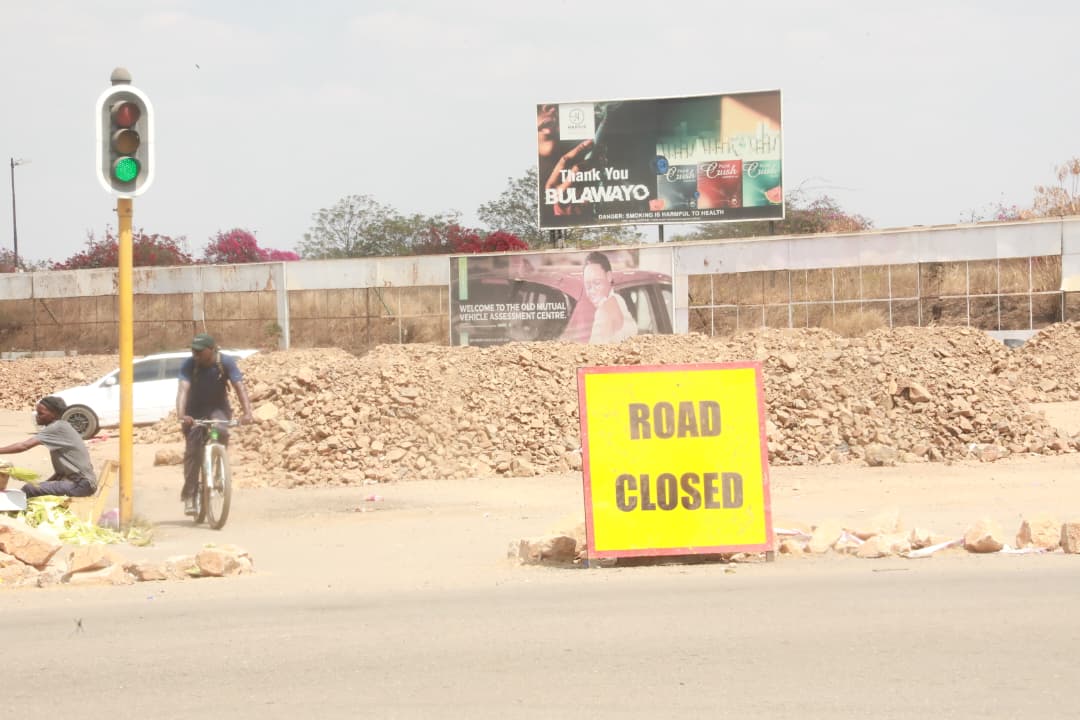
Raymond Jaravaza [email protected]
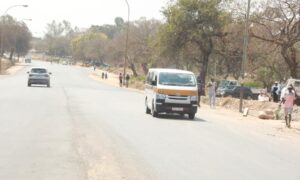
FOR Mr Joachim Sibanda, a furniture manufacturer at eSpamprekini in Mpopoma, the rehabilitation of a road that once made reaching his business a frustrating experience has brought more than smoother driving and opened easier access for customers with renewed hopes for improved business.
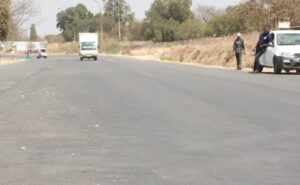
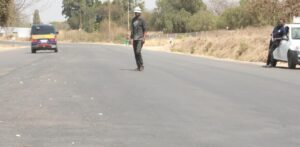
The previously battered Nketa Drive, from Mpopoma High School to the Khami Road intersection, is among several roads being rehabilitated under the Bulawayo City Council’s accelerated road rehabilitation programme.
The road is a key route for commuter omnibuses and motorists accessing parts of Old Magwegwe and Pelandaba West, as well as Pumula East, Old, North and South. It also passes through the thriving eSpamprekini furniture-making industry.
“Our clients can now easily access our business premises from both Luveve Road and Khami Road and it’s all thanks to the upgraded road by BCC.
“This road used to be filled with potholes and we were pleasantly surprised when teams from BCC started upgrading the main road.
“My wish is for BCC to continue fixing such major roads around the city so that residents can access all parts of the city with ease,” said Mr Sibanda, who manufactures beds and sofas at eSpamprekini.
For small businesses, a good road network means easier access to customers and the smooth movement of goods, with another entrepreneur at eSpamprekini, Mr Akim Malunga, saying damaged roads had previously affected business.
“Damaged roads are bad for business. For a while we thought that BCC had abandoned this road but we have seen good improvement that its teams have been doing,” he said.
“No one wants to drive on a bad road. Good roads are good for business and we’re happy that our clients can now come to us with absolutely no hesitation because the road is smooth,” said Mr Malunga.
Using regular funding disbursements through the Zimbabwe National Road Administration (Zinara), the rehabilitation works are part of efforts by the local authority to improve its approximately 2 550-kilometre road network, which has deteriorated over the years.
Several other roads are also receiving attention, including a section at the intersection of Herbert Chitepo and 14th Avenue on the periphery of the city centre, which has been riddled with potholes for years.
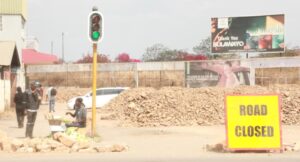
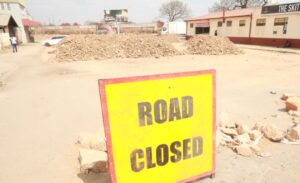
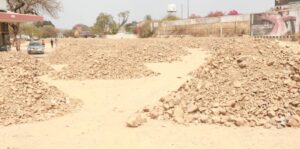
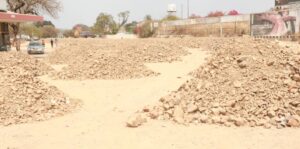
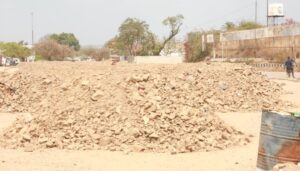
Council workers have deposited construction material along the temporarily closed road ahead of rehabilitation works. The road serves a busy commercial area with a nearby mega market shop and several small businesses.
“A lot of small businesses operate around this area, from bars, hardware, car spray painting guys and restaurants, so all we want is for this road to be fixed,” said restaurant manager Ms Annita Ngwenya.
Bulawayo Mayor Councillor David Coltart said council was working to improve the city’s roads despite limited resources.
“I am delighted by the superb work being done by our Works Department with a minimal budget. They are really trying their best in a very difficult budgetary environment,” said Cllr Coltart.
The Mayor has previously said Bulawayo requires about US$15 million annually for road rehabilitation to improve access across the city and ensure smooth travel on major routes.
The rehabilitation programme has, however, come under scrutiny amid concerns over poor workmanship, substandard materials and possible construction shortcuts, while council also faces serious budgetary and logistical constraints.
Council acting director of works, Engineer Methusi Dibidi, has said despite the challenges, rehabilitation work must continue to meet residents’ expectations.
“While inadequate funding is constraining some projects, it’s important that contractors are paid on time so that rehabilitation works don’t stop,” he told Zimpapers in a previous interview.
Eng Dibidi added that interruptions to projects could affect their continuity and delay completion.
“The city has also previously relied on national road funding and partnerships to accelerate rehabilitation and as a council we’re trying our best to improve our road network,” he said.
Two months ago, council allocated US$1.5 million towards the rehabilitation of Lobengula Street and the installation of a new sewer system, with the project expected to be completed by the end of October 2026.
Work on the project commenced in April and includes pavement reconstruction, road overlays, stormwater drainage improvements, reinstatement of carriageway markings and other routine maintenance works.
The project is part of a broader programme to rehabilitate key roads and intersections across the city.
In 2025, council spent about US$1 million rehabilitating sections of Lobengula Street and Third Avenue, which had become heavily damaged by potholes and increasingly difficult for motorists to navigate.
The roads are major entry and exit routes into the city and carry significant traffic volumes, particularly commuter omnibuses along the Luveve Road corridor linking the city centre with Entumbane, Njube, Lobengula, Emakhandeni, Gwabalanda, Luveve, Nguboyenja and Cowdray Park.
With rehabilitation works gathering pace, residents and businesses in areas that have endured years of damaged roads are hoping the current improvements will spread across the city, making travel easier and supporting business activity.