

Lovemore Chikova
Development Dialogue
Rural development is at the heart of the Vision 2030 agenda because a prosperous and empowered Zimbabwe cannot be developed when those in rural communities remain in low-productivity economies.
It is important that the Second Republic led by President Mnangagwa has been working hard for these marginalised areas to be developed through greater investment in agriculture, irrigation, infrastructure, industry, mining, value addition, technology and services.
The objective is to turn rural communities into productive economic centres that create jobs, raise incomes, attract investment and contribute directly to national industrialisation.
In this way, rural development is not a separate programme from Vision 2030, but one of its most important pathways to achieving an upper-middle-income economy.
This is because Zimbabwe cannot achieve the ambition of becoming an upper-middle-income economy by 2030 if rural communities remain primarily consumers of development rather than producers of wealth.
The decisive development question before the country is, therefore, no longer whether rural Zimbabwe should be developed, but how quickly and systematically it can be transformed into a network of productive, modern and industrialising local economies.
For decades, rural development has too often been understood through the narrow lens of roads, clinics, schools, boreholes and social services.
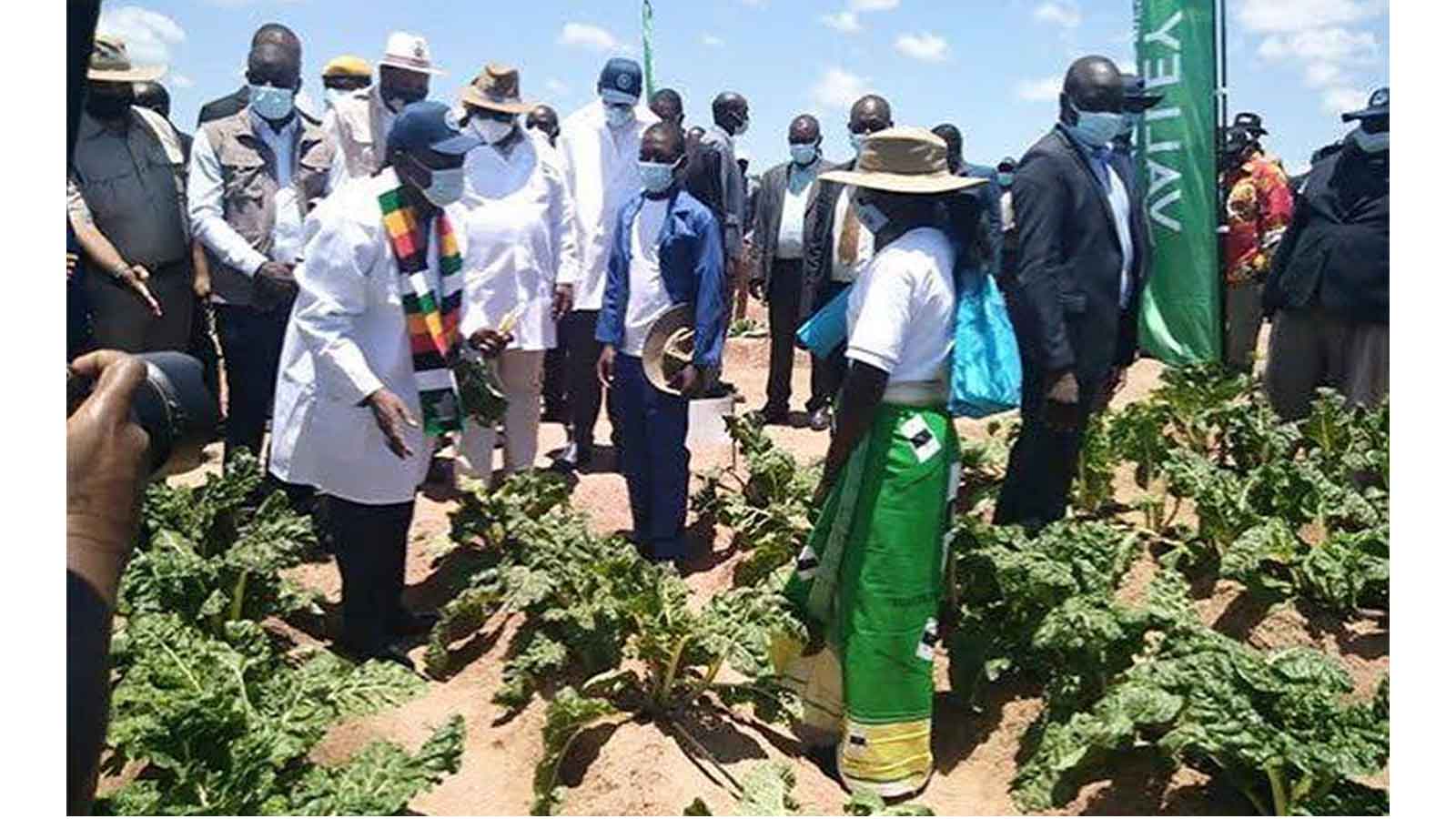
These are indispensable foundations, but they cannot by themselves constitute economic transformation.
The next frontier must be to move beyond providing services to rural communities and deliberately build productive economies within rural communities.
These economies should be capable of producing food, processing raw materials, manufacturing goods, generating energy, creating decent jobs, attracting investment and exporting products to national, regional and international markets.
This is why rural development and industrialisation must now be treated as one national development project.
Zimbabwe’s villages, growth points, business centres and district towns must cease to be viewed merely as peripheral spaces feeding labour and raw materials into urban economies.
They must become centres of production in their own right.
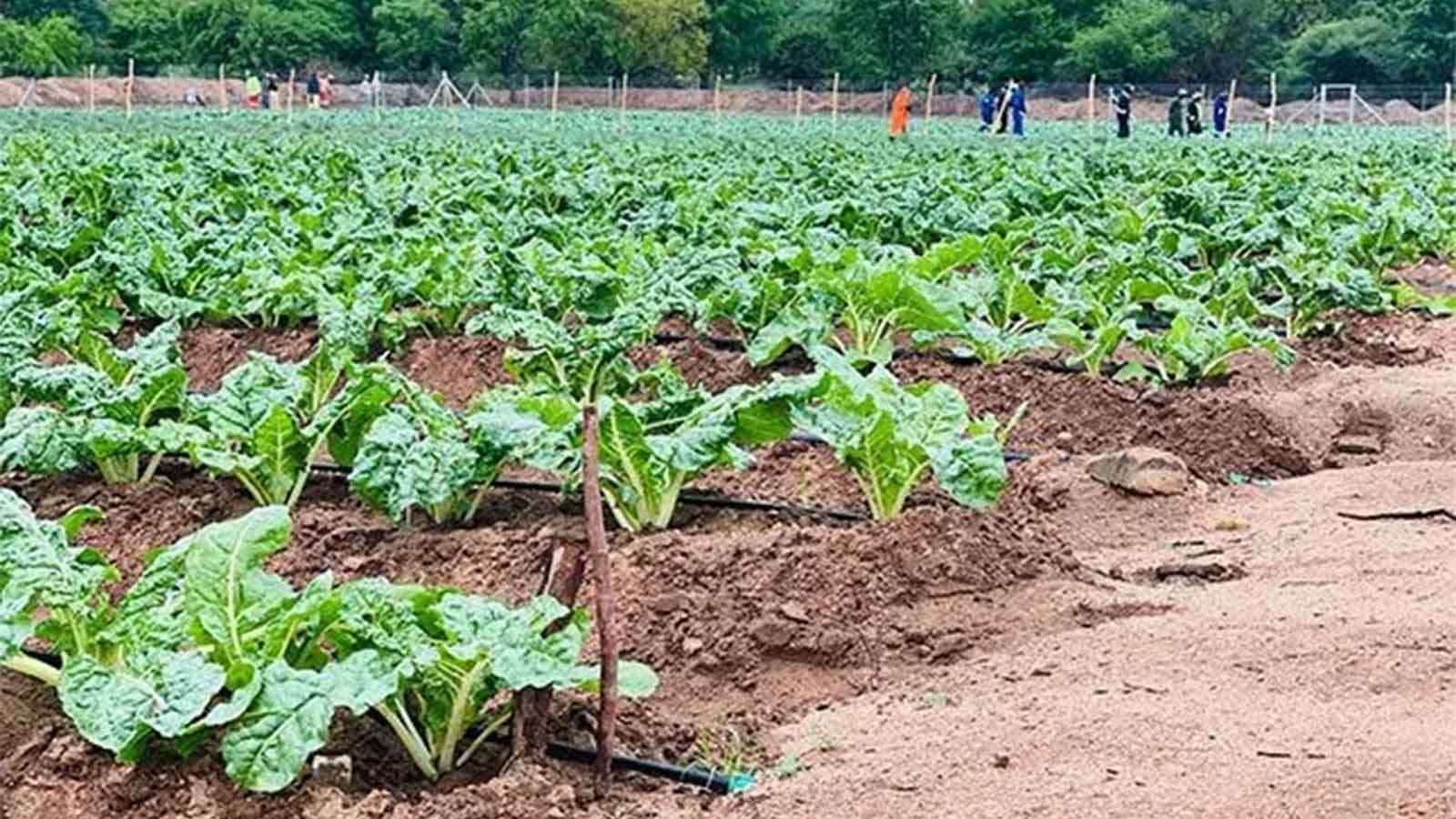
A farmer should not have to send raw produce hundreds of kilometres to an urban factory before value is created, likewise, a rural mining community should not remain poor while its minerals leave the district unprocessed.
In the same breath, a livestock-producing area should not export animals and import processed meat and leather products and a cotton-growing community should not sell raw cotton while textiles are manufactured elsewhere.
A rural community blessed with sunshine, water, forests, wildlife, fisheries or cultural heritage should be able to convert those resources into enterprises, industries, incomes and employment locally.
The principle is simple: where the resource is produced, a greater share of the value chain should be located there.
This is the economic logic behind the Second Republic’s transformative rural industrialisation programme.
Zimbabwe does not need to industrialise only from Harare, Bulawayo and a handful of established industrial centres, the country needs a new geography of industrialisation in which every province, district and productive rural community has an identifiable economic role.
There should be rural production zones linked to irrigation, agro-processing, mining beneficiation, manufacturing, renewable energy, logistics, tourism, digital services and modern settlements.
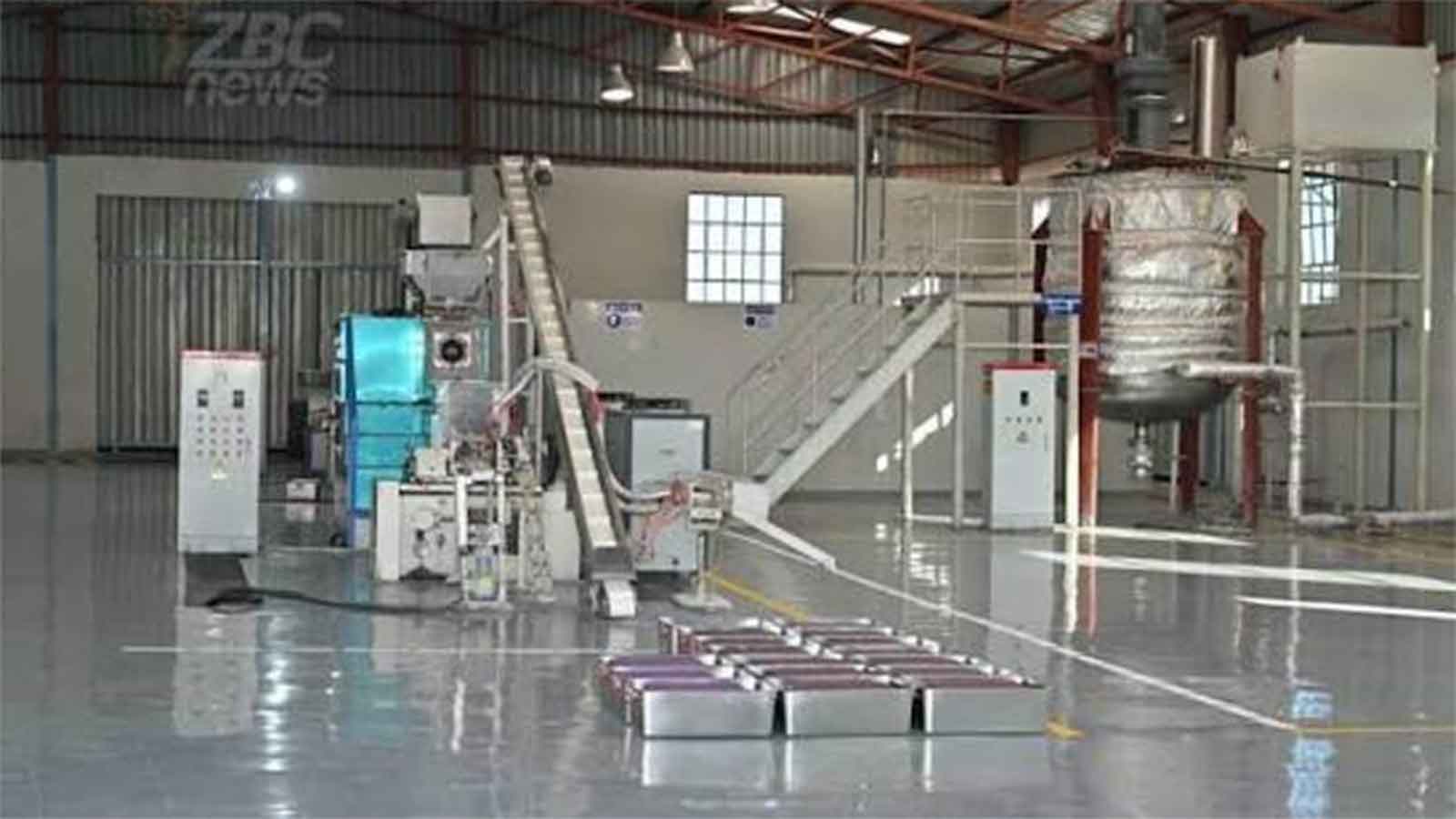
Such an approach does not compete with urban industrialisation; it strengthens it by creating a broader domestic production base, reducing pressure on cities, shortening supply chains and opening new markets and investment opportunities.
It is crucial that the Second Republic under President Mnangagwa has already begun laying important foundations for this transformation.
The Presidential Rural Development Programme, Rural Development 8.0, irrigation rehabilitation, climate-proofed agriculture, community fisheries, livestock development, village, youth and school business units, rural infrastructure programmes and the broader push towards value addition and beneficiation represent a significant departure from an approach that regarded rural development principally as welfare intervention.
This deserves recognition because the development of roads, dams, irrigation schemes, boreholes, electricity, schools, health facilities and productive projects under the Second Republic is creating the physical and institutional platform upon which a deeper phase of rural industrialisation can be built.
The opportunity is enormous.
Rural Zimbabwe possesses land, minerals, livestock, water, agricultural potential, forests, fisheries, wildlife, tourism assets, human capital and renewable-energy resources.
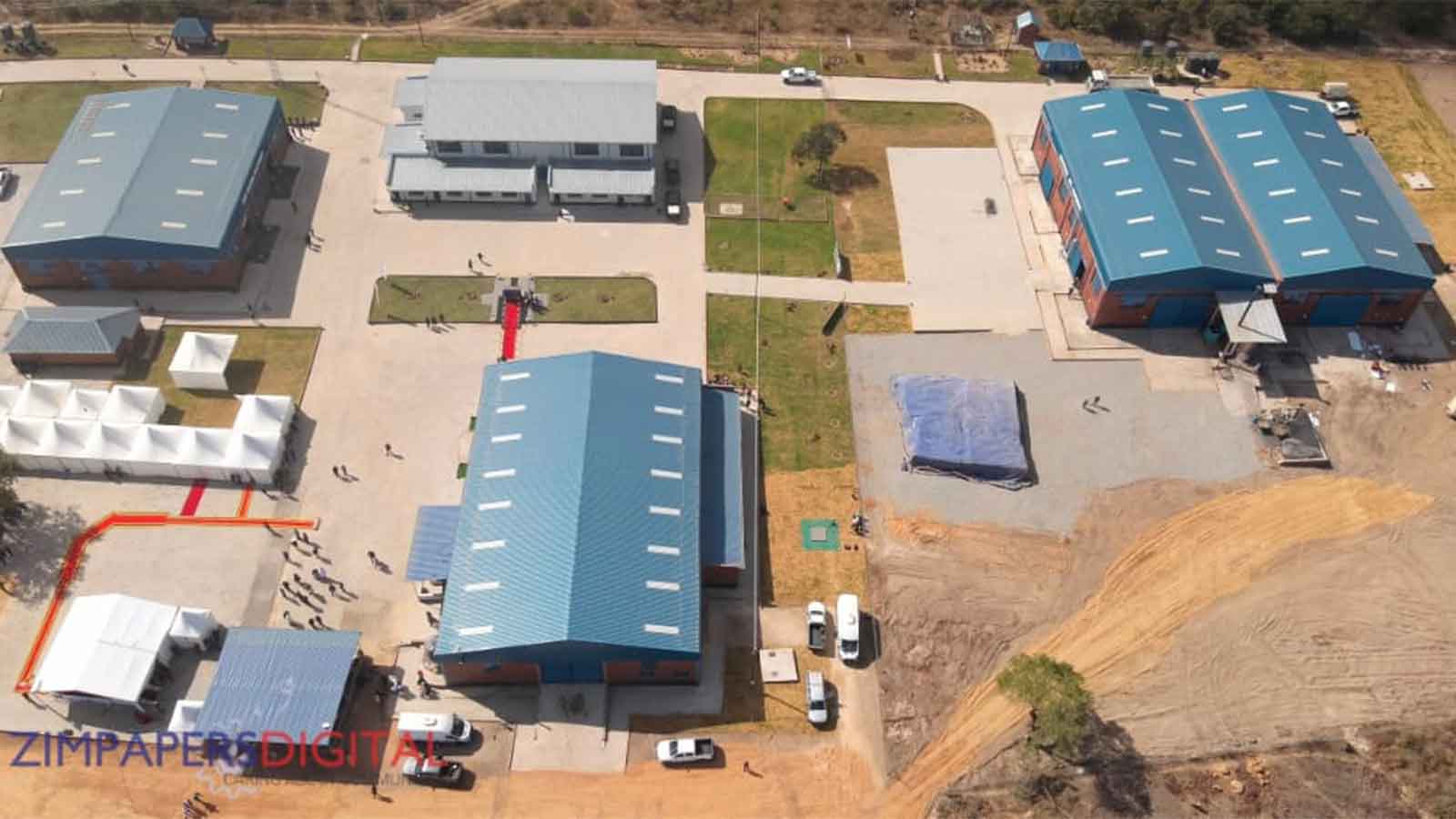
What is often missing is not the resource itself, but the infrastructure, finance, technology, skills, market organisation and industrial linkages required to convert that resource into sustained local wealth.
The central challenge, therefore, is to build the missing connections between the rural producer and the industrial economy.
Once those connections are established, rural areas can become powerful engines of employment creation, enterprise development, exports and inclusive growth.
This is where the Government’s Vision 2030 agenda, the National Development Strategy 2 (NDS2) and the country’s industrialisation and value-addition policies acquire particular significance.
The greatest impact of these frameworks come when they converge at district level, where agriculture, mining, manufacturing, infrastructure, skills, finance, technology and local government can be organised around clearly defined economic opportunities.
Every district should know what it can produce competitively, what industries can be established around those resources, what infrastructure is required, which skills must be developed, which investors should be attracted and which markets can absorb the resulting products.
The proposition advanced in this column is, therefore, straightforward but ambitious: Zimbabwe should establish a comprehensive rural development and industrialisation programme that makes every productive rural district an economic growth hub.
The programme should build on what the Second Republic has already initiated, but introduce a stronger industrial and commercial dimension.
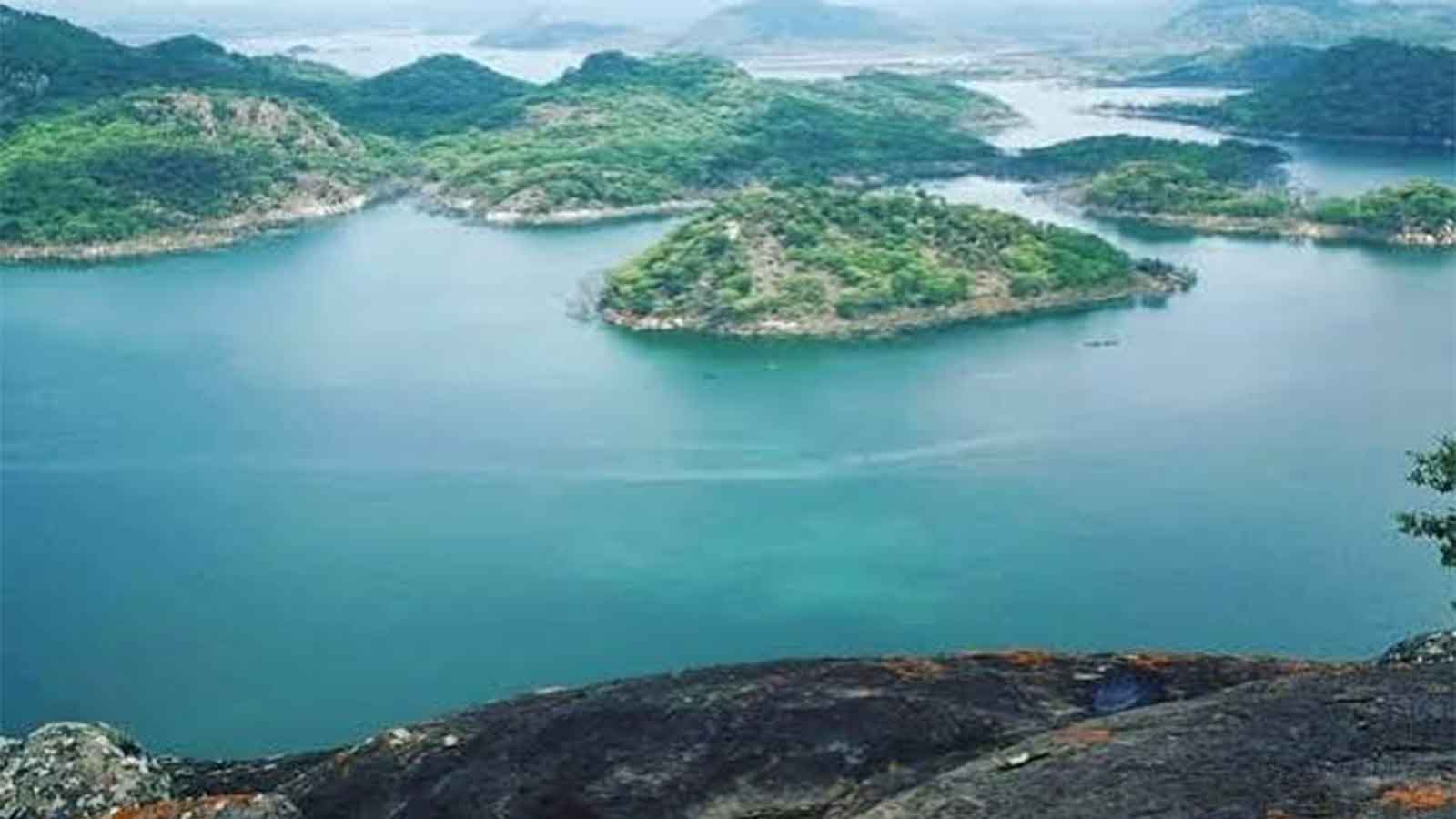
Its purpose should be to ensure that rural development does not end when a borehole is drilled, a road is constructed or an irrigation scheme is rehabilitated.
Those investments should be the beginning of a much larger economic process in which water enables production, production feeds processing, processing creates manufacturing, manufacturing creates jobs, jobs generate incomes, incomes stimulate local demand and local demand supports thriving rural towns and businesses.
The ultimate objective should be nothing less than a transformation of the country’s rural economic geography.
Instead of a development model in which people migrate to cities because economic opportunities are concentrated there, rural economies should be sufficiently dynamic to allow people to build successful livelihoods where they live.
Instead of exporting raw materials and importing finished products, rural districts should increasingly participate in domestic value chains.
Instead of development being measured mainly by the number of infrastructure projects completed, it should increasingly be measured by the number of enterprises created, jobs generated, products manufactured, exports earned, household incomes increased and local economies expanded.
That is the real meaning of rural industrialisation.
It is not about putting a factory in every village, but it is about creating an interconnected system of productive rural economies in which agriculture, mining, manufacturing, services and technology reinforce one another.
It is about giving rural Zimbabwe the infrastructure and productive capacity to become an active participant in the country’s industrial revolution.
Irrigation without processing leaves farmers vulnerable to raw-product markets, while processing without reliable energy cannot be competitive.
Industrial infrastructure without finance will remain underutilized and finance without markets can create unsustainable enterprises.
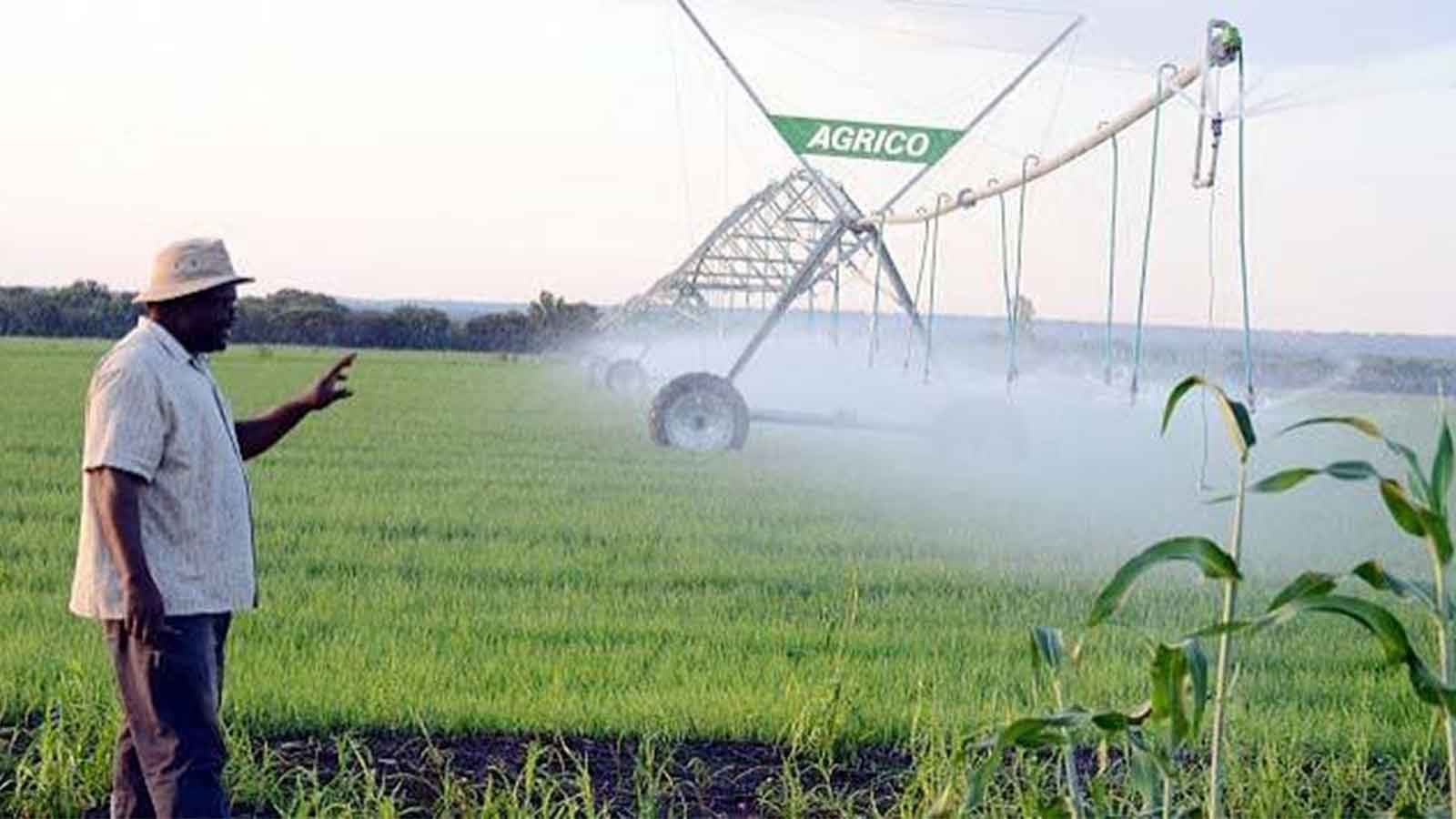
Skills without industry can encourage migration, while digital connectivity without productive businesses creates consumption rather than transformation.
On the other hand, tourism without infrastructure and local enterprise development limits local benefits.
The game-changing opportunity lies in bringing all these elements together around the productive potential of each rural district.
In fact, Zimbabwe’s development conversation has reached a point where one question can no longer be avoided: How does the country transform rural areas from predominantly subsistence economies into modern, productive and industrialised economic centres capable of driving national growth?
The question is central to the achievement of Vision 2030 because Zimbabwe cannot become an empowered and prosperous upper-middle-income society if large sections of its population remain trapped in low-productivity rural economies, producing raw commodities with limited access to processing, finance, technology, infrastructure and markets.
Equally important, the country cannot achieve meaningful industrialisation if the land, minerals, water, livestock, forests and other resources found largely in rural areas continue to generate limited value for the communities where they originate.
Rural development should be understood differently.
It has to increasingly become an economic transformation project, where the village must become a production centre, the growth point an industrial node, the district an investment destination and the farmer an integral part of the country’s industrial value chains.
This is where the Second Republic under President Mnangagwa deserves applause.
The President has placed rural transformation firmly within the wider national development agenda, linking it to Vision 2030, agricultural modernisation, irrigation, infrastructure development, value addition, beneficiation, devolution and inclusive economic growth.
Programmes such as the Presidential Rural Development Programme, Rural Development 8.0, irrigation rehabilitation and expansion, climate-proofed agriculture, village, youth and school business units, community fisheries and livestock programmes have begun shifting the emphasis from rural welfare towards rural production.
Government’s recent reporting on Rural Development 8.0 illustrates the scale of this approach, including thousands of boreholes under the Climate Proofed Presidential Rural Development Programme, millions of vegetable combinations distributed to households, fishpond development and the expansion of the Vision 2030 Accelerator Model.
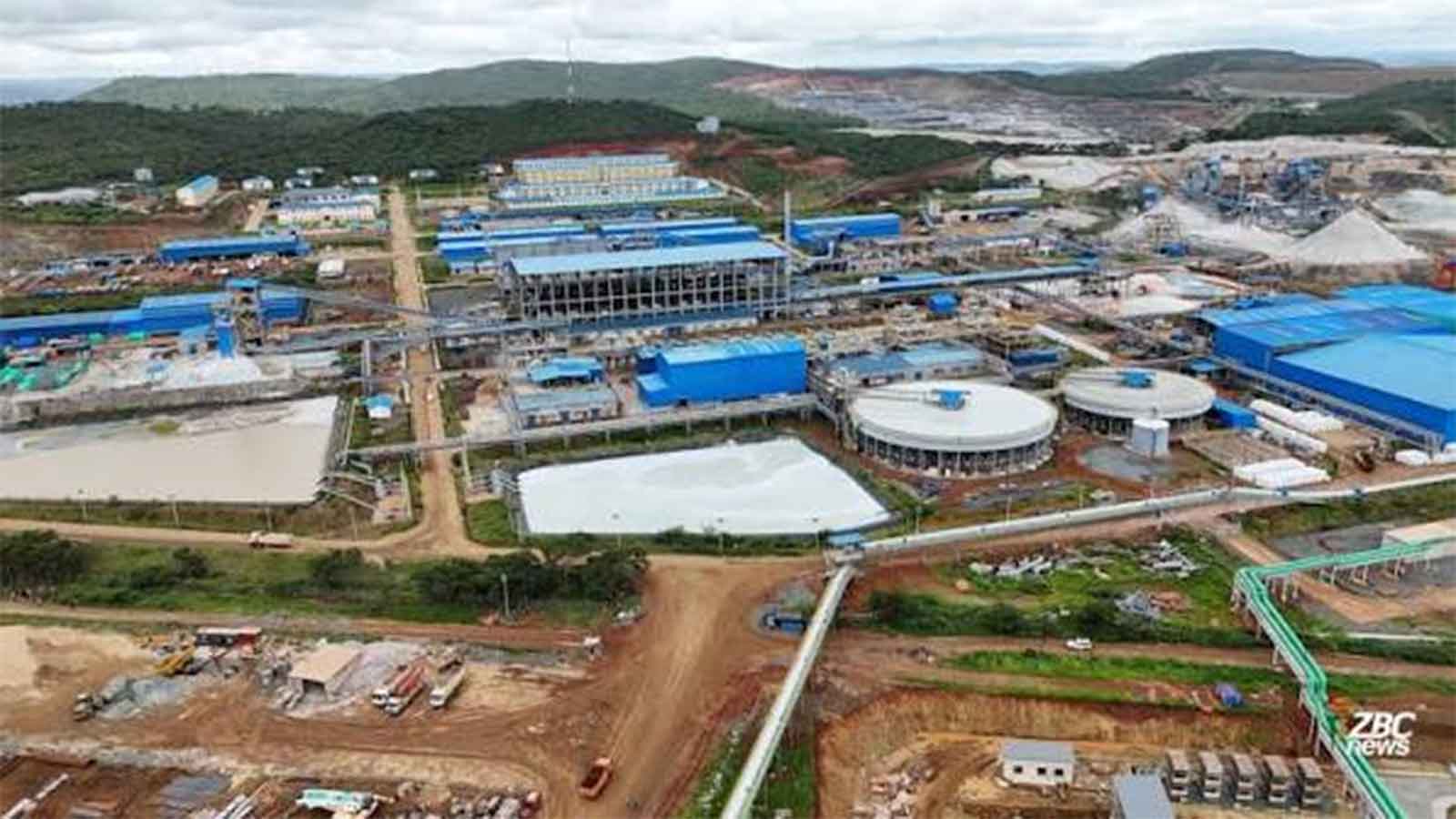
These interventions are significant because they increasingly treat rural communities as economic participants rather than passive recipients of development assistance.
President Mnangagwa, therefore deserves credit for creating a policy environment in which rural industrialisation can now be taken to a much higher level.
The challenge is to connect the many interventions into one comprehensive national programme.
Productive land, irrigation and commercial agriculture
Zimbabwe’s land is one of its greatest resources, but land alone does not create wealth. It requires water, inputs, technology, infrastructure, finance and markets.
This makes the irrigation drive under the Second Republic particularly important.
Government’s National Accelerated Irrigation Rehabilitation and Development Programme has targeted the establishment or rehabilitation of functional irrigation across districts.
This is exactly the kind of intervention required to make agriculture more predictable, climate-resilient and commercially viable.
But the next step must be to move from irrigation schemes to irrigation-industrial clusters.
Every major irrigation scheme should have a production and industrial plan showing what will be grown, who will buy it, where it will be processed, how it will be stored and transported and what other businesses can emerge around production.
A horticultural scheme, for example, should be linked to grading, packaging, cold storage, transport and food processing, while a livestock-producing district should have feed production, abattoirs, leather processing and meat distribution.
A cotton-producing area should move beyond cotton lint into ginning, spinning, textiles and clothing.
The Presidential Rural Development Programme’s Village, Youth and School Business Units provide an important foundation.
The next stage should be to make these units increasingly commercial and industrial, so that production at village level feeds into larger district value chains.
The benefit is a rural economy where agriculture generates economic activity far beyond the farm gate.
Agro-processing and rural manufacturing
The central question should no longer be simply how much the country produces, but how much value is retained from what it produces.
Milk should become yoghurt, cheese and butter. Sunflower and soya should feed oil pressing and animal-feed industries. Fruits should become juices, pulp and dried products.
Tomatoes should become sauces and paste, while cotton should move towards textiles and clothing and livestock should support meat, leather and related industries.
This is where the Second Republic’s industrialisation and local-content agenda becomes particularly important.
Zimbabwe should therefore establish District Agro-Industrial Parks, appropriately sized and equipped with electricity, water, roads, warehouses, cold storage, laboratories, packaging facilities and telecommunications.
They need not be giant industrial estates. Their purpose would be to give small and medium-sized rural businesses access to shared facilities that would otherwise be beyond their financial reach.
This would turn the Village Business Unit concept into something much more powerful. A village vegetable project could supply an aggregation centre, which supplies a district processor, which supplies national retailers and regional markets.
Mineral beneficiation and resource-based industries
Zimbabwe’s mineral resources are overwhelmingly located outside the major cities.
Mining can, therefore become a major catalyst for rural industrialisation if extraction is linked to processing and local enterprise development.
Mineral-producing districts should develop regional beneficiation and mining-services clusters. The objective is not to put every processing stage in every district, but to create industrial hubs serving clusters of mines.
Mining should also generate local engineering, welding, electrical, transport, construction, equipment-maintenance, accommodation and professional-service businesses.
This is where the Local Content Strategy becomes critical. Mining companies should progressively increase procurement from capable local suppliers. This should not mean sacrificing quality or competitiveness.
Rather, Government should help local firms acquire the technology, finance and skills needed to meet industrial standards.
Infrastructure, energy and logistics
The infrastructure investments undertaken by the Second Republic in roads, dams, power and other national projects need to be increasingly linked to productive economic activity.
The question should not only be how many kilometres of road have been constructed, but what those kilometres unlock.
Rural electrification should also increasingly focus on production. Solar mini-grids can power irrigation pumps, cold rooms, milling, welding, refrigeration, ICT centres and small factories.
A solar project that merely provides household lighting has value, but one that powers an industrial cluster has far greater economic value.
Rural skills, technology and innovation
Factories do not industrialise economies, but people with skills do, so training should be based on actual demand rather than generic programmes.
Zimbabwe’s Education 5.0 philosophy, with its emphasis on innovation and industrialisation, provides an excellent foundation for this approach.
Universities, polytechnics and research institutions should become partners of rural industry.
The aim must be to create a new generation of rural entrepreneurs, technicians, engineers, manufacturers and commercial farmers who see their communities not as places from which to escape, but as places where economic opportunities can be created.
Rural finance and enterprise development
Zimbabwe needs a dedicated facility that brings together Government resources, development-finance institutions, banks, pension funds, private investors and development partners.
Finance should prioritise productive assets: irrigation equipment, processing machinery, warehouses, cold rooms, solar systems, livestock, transport and manufacturing equipment.
But money alone is not enough because rural businesses also need help with accounting, standards, packaging, marketing, business planning and export requirements.
The land question must also be viewed through the lens of productivity because land reform becomes economically transformative when land becomes a productive asset that generates income, employment and industrial raw materials.
Digitalisation and smart rural economies
Modern rural economies cannot be built only with roads, factories and tractors – they also require data, connectivity and digital services.
A farmer needs market information, a tourism operator needs an online presence, a rural manufacturer needs access to customers, a student needs digital learning and a business needs electronic banking.
There is need for centres that provide internet connectivity, digital government services, e-commerce, business registration, financial services, training and innovation facilities in rural areas.
Digitalisation can also create completely new rural industries, as a young person can provide graphic design, accounting, programming, online marketing or other professional services from a rural community.
This is particularly important for young people and women because digital platforms can reduce some of the geographic barriers that have historically limited rural economic participation.
Tourism, the green economy and rural diversification
Zimbabwe’s rural areas possess extraordinary tourism, cultural and environmental assets.
National parks, wildlife, waterfalls, mountains, archaeological sites, traditional crafts, music, cuisine and landscapes can all become sources of wealth for rural communities.
Rural communities can also develop enterprises around solar energy, sustainable forestry, recycling, conservation, climate-smart agriculture and environmental services.
Agricultural waste can become compost, animal feed or energy inputs, while sustainable forestry can support furniture and timber industries, with conservation generating tourism income.
Rural Development 8.0 to Rural Industrialisation 8.0
The important point is that Zimbabwe does not have to start from scratch since the Second Republic has already established many of the building blocks for rural development.
Rural Development 8.0 brings together interventions covering climate-proofed agriculture, irrigation, livestock, fisheries, household production and rural business development.
NDS2 identifies these interventions for acceleration during the 2026-2030 period.
The Presidential Rural Development Programme has promoted Village Business Units, Youth Business Units and School Business Units.
The Presidential Community Fisheries Scheme has combined dam stocking, fishponds, aquaculture training, markets and cold-chain development.
Livestock programmes include poultry, goats, dairy development, artificial insemination, forage production and the Heifer Pass-On Scheme.
These programmes should now be connected to industrial value chains.
Role for traditional leaders and local authorities
Traditional leaders can also become important partners in rural industrialisation by helping mobilise communities, facilitate dialogue, support productive land use and strengthen local ownership of development projects.
Local authorities, meanwhile, must increasingly see themselves as economic-development institutions.
A council that provides serviced land, improves roads, supports markets and attracts investors is directly contributing to industrialisation.
The Development Dialogue
The development dialogue on rural development must, therefore, move beyond asking how much Government has spent in rural areas.
The more important question is: How much economic value has been created?
A road should be measured not only in kilometres, but by the markets it opens, a dam should be measured not merely by its capacity, but by the production it enables, while a borehole should be measured by the productive enterprises it supports.