Lonster Mutata
RURAL women are increasingly taking centre stage in Zimbabwe’s rural transformation agenda, with Government emphasising the need to strengthen their access to land, finance, markets and productive resources as the country accelerates efforts to build resilient communities, improve food security and unlock the economic potential of rural areas.
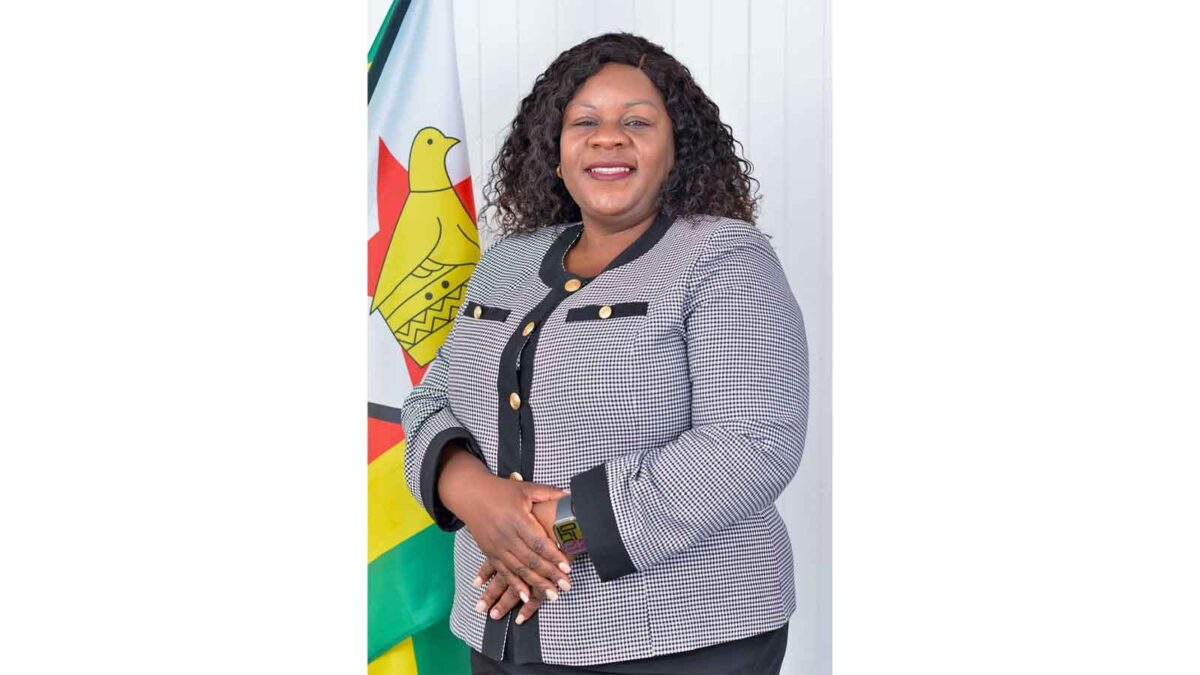
The call was made by Lands and Rural Development Deputy Minister Tsitsi Zhou, who underscored the indispensable role of rural women in national development while delivering a Vote of Thanks at the 2026 International Day of Rural Women commemorations held at Siboza Primary School in Zvishavane District, Midlands Province.
Speaking at the commemorations held under under the theme, Rural Women Farmers Caring for Mother Nature, the Deputy Minister said the contribution of rural women extended well beyond agricultural production, encompassing household welfare, environmental conservation, enterprise development and the sustenance of entire rural communities.
Her remarks brought into focus a fundamental reality of Zimbabwe’s development landscape: rural women are not merely participants in the rural economy; they are among its principal drivers, working across agricultural value chains, sustaining household livelihoods, managing natural resources and creating economic opportunities within their communities.
Across rural Zimbabwe, women account for a substantial share of agricultural labour and household production, with many simultaneously carrying the responsibility of providing food, managing household resources and sustaining family livelihoods. Their contribution is particularly significant in a country where agriculture remains a major source of employment and economic activity for rural communities, making women’s productivity central to national food security.
The economic case for investing in rural women is equally compelling. Globally, women farmers produce significantly less than men on farms of comparable size, with research identifying a productivity gap of approximately 24 percent, largely attributable to inequalities in access to land, finance, technology, training and other productive resources. Closing this gap could add an estimated US$1 trillion to the global economy while reducing food insecurity for 45 million people.
For Zimbabwe, the implications are significant. Improving women’s access to productive land, agricultural inputs, irrigation, finance and markets is not simply a gender empowerment intervention; it is an investment in national production, household incomes and the wider rural economy.
The Deputy Minister said: “Rural women are central to this work. However, they cannot carry this responsibility alone.” She called for stronger collaboration between Government, development partners, communities and the private sector to ensure women have the knowledge, resources and support necessary to adapt to climate change while improving productivity, incomes and livelihoods.
The emphasis on women’s access to productive resources carries particular significance for the Ministry of Lands and Rural Development, given the centrality of land to rural livelihoods, agricultural investment and economic security. Secure land rights provide women with a stronger foundation to invest in production, access financing, participate in markets and build sustainable livelihoods.
The Deputy Minister further placed environmental stewardship at the heart of rural women’s contribution, noting that caring for Mother Nature involves protecting soils, conserving water, restoring the environment and embracing climate-smart and resilient farming practices.
Across rural communities, women play important roles in seed preservation, food production, water management and household resource conservation. Their knowledge and participation are therefore essential in building communities capable of withstanding climate shocks while protecting the natural resource base upon which rural livelihoods depend.
The Deputy Minister also called for practical action beyond the commemorations, urging stakeholders to expand opportunities for women-led enterprises, strengthen women’s participation in decision-making and ensure that empowerment programmes translate into tangible improvements in rural communities.
She said: “As we leave this gathering, let us remember that the true measure of this day will not be the speeches delivered or the activities held, but the actions that follow.”
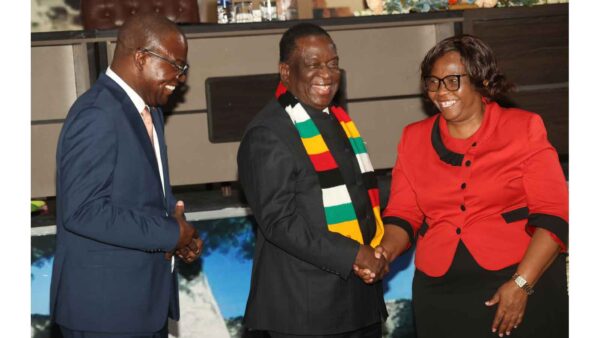
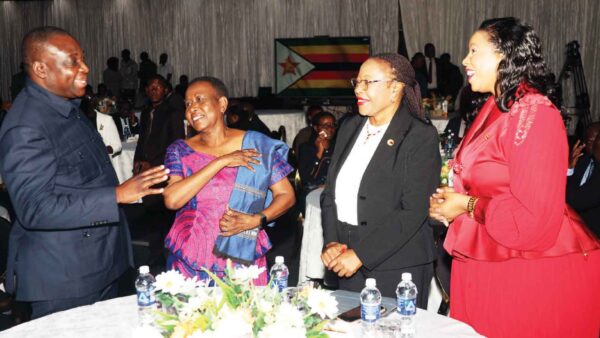
The commemorations brought together Government leadership, development partners, traditional leaders, civil society organisations, financial institutions, private-sector players and rural women farmers and entrepreneurs, providing a platform to showcase women’s productive potential and strengthen partnerships around their economic empowerment.
The Deputy Minister also acknowledged the experiences of women with disabilities, young women and survivors of gender-based violence, stressing the importance of ensuring that rural development remains inclusive and that no one is left behind.
Ultimately, the development of rural communities cannot be separated from the economic advancement of the women who sustain them. When a rural woman has secure access to land, the means to produce, the opportunity to trade and the capacity to make decisions, the benefits extend beyond the individual to households, communities and the national economy.
It is this connection between women’s empowerment and community prosperity that gives the International Day of Rural Women its wider development significance, placing rural women firmly at the heart of Zimbabwe’s journey towards inclusive growth and sustainable rural transformation.