Judith Phiri [email protected]
THE Southern Africa Business Initiative (SABI) has called for strengthened collaboration between Bulawayo’s local authority and the business community to accelerate the implementation of the Integrated Provincial Special Economic Zones agenda, positioning the province as a competitive investment destination and a catalyst for industrialisation and sustainable economic growth.
The importance of coordinated efforts between the public and private sectors in unlocking investment opportunities, promoting value addition and beneficiation, is that it strengthens local industries and creates employment opportunities.
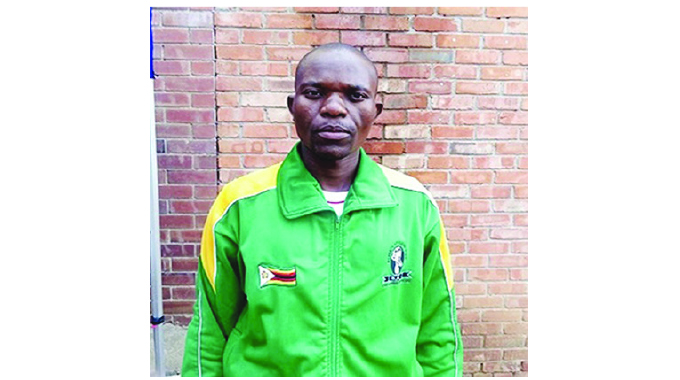
In an interview, founding and managing partner of Southern Africa Business Initiative (SABI), Mr Darlington Nyika, said the call comes amid growing recognition of the need for provinces to leverage their unique economic strengths, natural resources, infrastructure and industrial capabilities to attract both domestic and foreign direct investment.
“Collaboration is the best way to implement Bulawayo’s master plan, that of a smart city. A smart city with a vibrant industry through an integrated system is critical,” he said.
“The aspect of access to capital is very critical hence the need to forge relationships between the small- to medium-scale enterprises and the blue chip companies or the established players.”
Mr Nyika said a collaborative approach seeks to ensure that the local authority creates an enabling environment for business growth through investment-friendly policies, improved infrastructure, efficient service delivery and streamlined administrative processes.
He said at the same time, the business community is expected to play a central role in mobilising capital, identifying viable investment projects, developing industrial value chains and expanding production capacity.
“The Integrated Provincial Special Economic Zones agenda could also provide opportunities to revitalise manufacturing, promote export- oriented industries and strengthen linkages between agriculture, mining, tourism and other productive sectors.
“For Bulawayo, the initiative presents an opportunity to leverage existing industrial infrastructure, skilled labour, mineral resources and strategic transport networks to stimulate industrial recovery and regional trade,” said Mr Nyika.
“Effective collaboration between the local authority and investors would be critical in translating the Special Economic Zones agenda into bankable projects, operational industries and tangible economic benefits for communities.”
Mr Nyika said the initiative also aligns with Zimbabwe’s broader industrialisation and economic transformation aspirations under the National Development Strategy 2 (NDS2), particularly the drive towards investment-led growth, decentralised economic development and increased competitiveness.
He also spoke about the need to scale up re-industrialisation and repositioning of the city of Bulawayo as an industrial hub. This, he said, could be feasible through forging of horizontal and vertical linkages, while the structuring of the necessary relationships was also important.
“There is need to establish a consortium, which will spearhead the roll-out and the implementation of the Government of Zimbabwe’s Cabinet pronouncements, such as the Integrated Provincial Special Economic Zones”.
“There are some issues that were discussed during the recent combined Bulawayo Economic Development Conference (BEDCON) and City of Bulawayo Research and Innovation Seminar (COBRIS) 2026 that are relevant to what needs to be done,” said Mr Nyika.