Lovemore Chikova
Development Dialogue
There are moments when part of a country’s development story can be told through a single event.
The 19th edition of the Sanganai/Hlanganani/Dzimbahwe World Tourism Expo, which will be held in Masvingo from September 9 to 12, is shaping up to be one of those moments.
At first glance, Sanganai/Hlanganani is a tourism exhibition, a gathering of buyers, sellers, hoteliers, tour operators, airlines, investors and destination marketers.
But that description does not fully capture what the event represents.
When the doors of the Gymkhana Events and Conference Centre open in Masvingo, Zimbabwe will not simply be putting its tourism products on display.
It will be presenting a much bigger proposition to the world: a country that is rebuilding its infrastructure, opening its provinces to investment, improving connectivity, strengthening its tourism institutions and positioning tourism as one of the engines of economic transformation.
That is why Masvingo is such an appropriate venue.
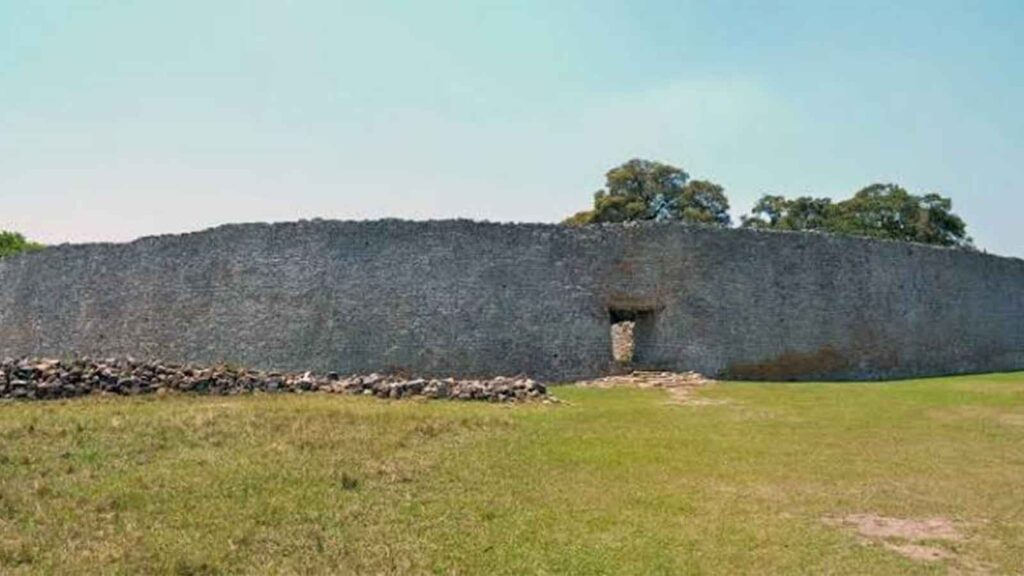
The province is home to Great Zimbabwe, one of the country’s most powerful symbols of history, heritage and civilisation.
Yet Great Zimbabwe is only the beginning of the story.
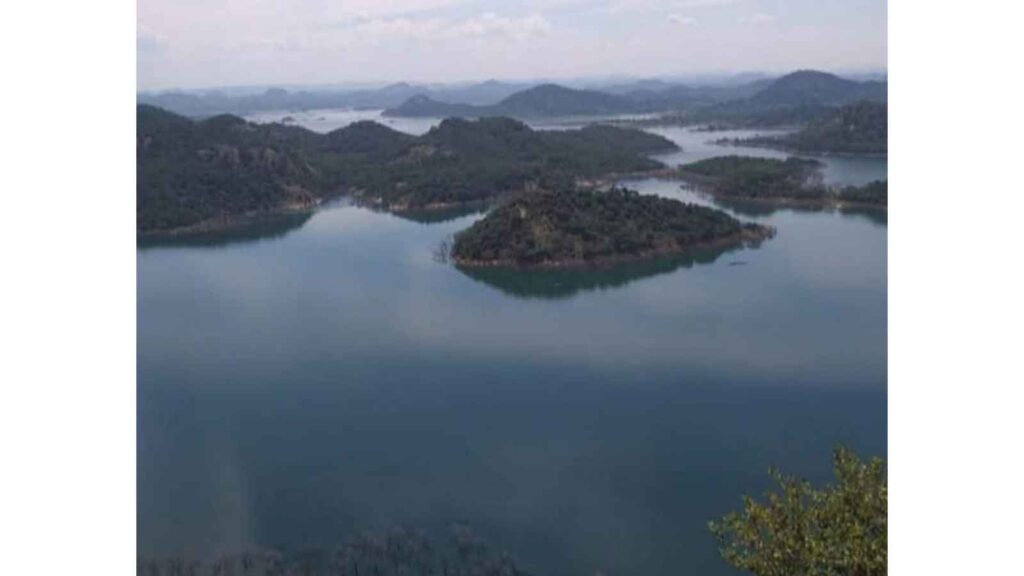
Masvingo also offers Lake Mutirikwi, Gonarezhou National Park, the Chilojo Cliffs, Malilangwe, Tugwi-Mukosi and a wide range of cultural, culinary, wildlife and leisure experiences.
The challenge has always been to turn these attractions into a coherent economic proposition and Sanganai/Hlanganani offers an opportunity to do precisely that.
The event has already attracted a huge number of international buyers from major markets, including Australia, China, Japan, India, the United Kingdom, France, Germany, the United Arab Emirates and South Africa.
For a province such as Masvingo, this is not simply a gathering of people carrying brochures and business cards, these are potential customers, investors, partners and ambassadors who can determine how Zimbabwe is perceived in international tourism markets.
The significance of this moment becomes even clearer when Sanganai is placed within the development philosophy of the Second Republic and Vision 2030 as propounded by President Mnangagwa.
Since President Mnangagwa came into office in 2017, infrastructure development has occupied a central position in the Government’s economic transformation agenda.
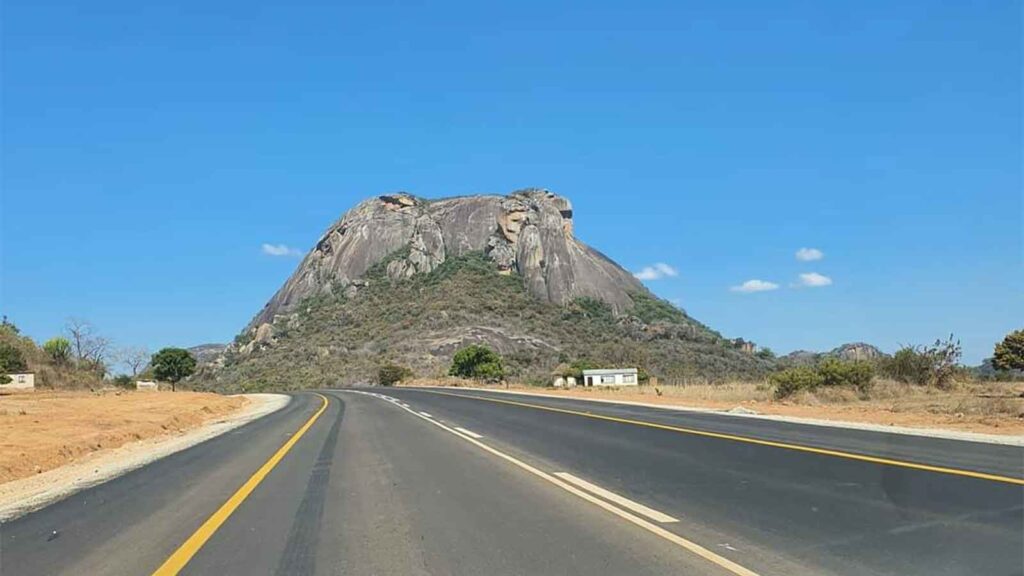
Roads have been rehabilitated, airports expanded, border posts modernised and major transport corridors reconstructed.
These projects may appear, on the surface, to belong to the transport sector, yet, in reality, they are tourism projects too.
A tourist cannot visit Zimbabwe without moving through the country’s transport system.
The journey from an international airport to a hotel, from a hotel to a national monument, from a monument to a wildlife reserve and from one province to another is part of the tourism experience.
Tourism begins long before the visitor reaches the attraction – it begins at the airport, at the border and continues on the road.
It is reinforced by the quality of accommodation, telecommunications, restaurants, entertainment and visitor facilities.
This is why the Second Republic’s infrastructure programme has quietly become one of the most important foundations for the recovery and expansion of Zimbabwe’s tourism industry.
Building the roads to tourism
Consider the country’s roads.
To the ordinary motorist, a rehabilitated highway means a shorter, safer and more comfortable journey, while to tourism a rehabilitated highway means something more profound: accessibility.
The Harare-Masvingo-Beitbridge highway is particularly important to Sanganai 2026 because it effectively places Masvingo on one of the country’s most significant transport arteries.
A visitor travelling from Harare towards Masvingo is no longer simply moving from one city to another, that journey connects the capital to one of Zimbabwe’s most important heritage destinations and opens a gateway towards the country’s southern tourism circuit.
Further south, the same corridor connects Zimbabwe with Beitbridge and the regional market.
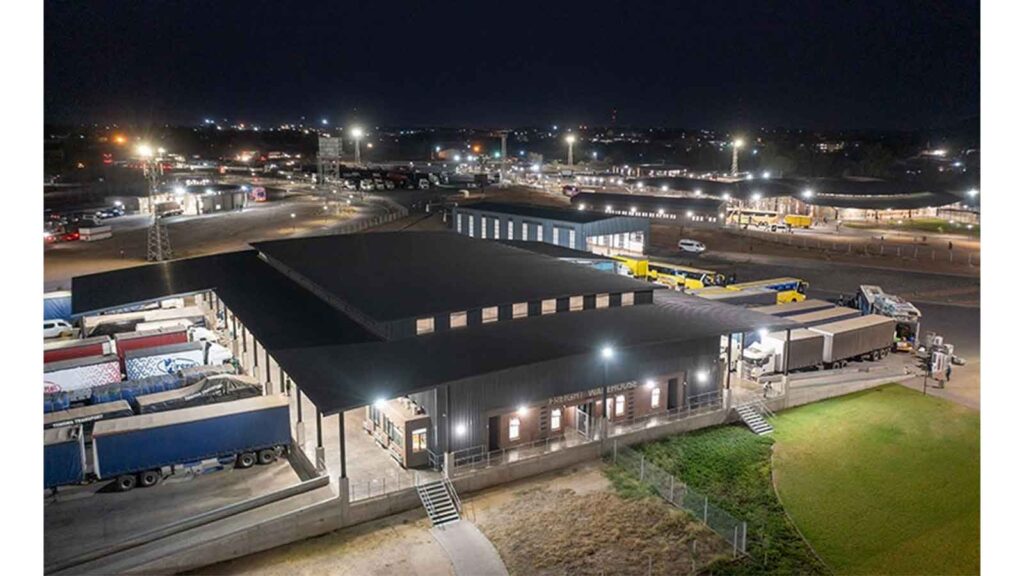
The modernisation of Beitbridge Border Post has added another dimension to this connectivity.
The US$300 million project has transformed one of the busiest land borders in the region, with the intention of reducing delays and improving the movement of people and cargo.
That matters enormously to tourism.
A visitor who spends hours or days battling through an inefficient border crossing begins a holiday frustrated, while a visitor who encounters a modern, efficient gateway begins the Zimbabwean experience with confidence.
The same argument applies to the Harare-Mutare road and the Beitbridge-Bulawayo-Victoria Falls highway.
These roads connect major centres, communities, businesses and tourism destinations, making it possible to develop multi-destination travel packages rather than treating each attraction as an isolated product.
The airports are changing the equation
The transformation is perhaps even more visible in aviation.
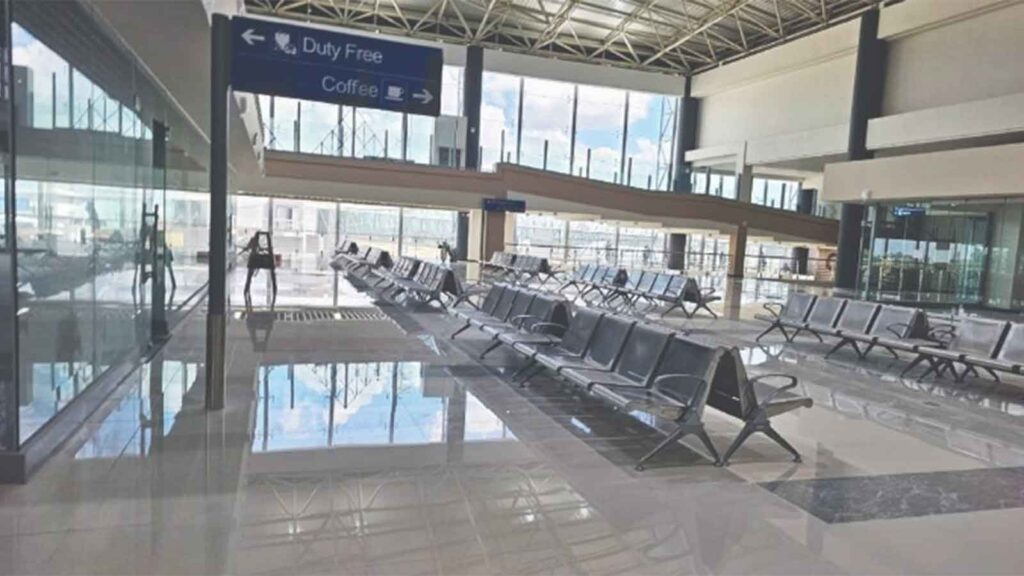
In July 2024, President Mnangagwa commissioned the upgraded Robert Gabriel Mugabe International Airport, a US$153 million project that increased the airport’s potential passenger-handling capacity from about 2,5 million to six million passengers annually.
The airport is one of the major infrastructure achievements of the Second Republic and its expansion is expected to help attract more international airlines and, consequently, increase tourist arrivals.
That is a profound development for a country seeking to compete in the global tourism marketplace, as tourism is ultimately a business of movement.
The more easily people can reach a destination, the more competitive that destination becomes.
An investor looking at Zimbabwe’s tourism sector does not only ask whether the country has beautiful landscapes and historic monuments, they want to know whether customers can reach those products.
Infrastructure answers those questions, and this is why the Second Republic’s airport and road projects should be viewed as part of a larger tourism strategy, whether they are labelled tourism projects or not.
Masvingo gets its moment
This makes the decision to bring Sanganai/Hlanganani to Masvingo particularly significant.
The Second Republic’s decentralisation policy has deliberately sought to move important national events and economic opportunities beyond Harare and other traditional centres.
Last year’s Sanganai was hosted in Mutare, marking the first time the exhibition had moved outside Bulawayo under the rotational approach. This year it comes to Masvingo, with Kariba scheduled to host the event in 2027.
This is much more than just a change of venue, it is an expression of the philosophy that development must reach every province.
President Mnangagwa’s oft-repeated principle of “leaving no one and no place behind” becomes particularly meaningful when applied to tourism.
A tourism exhibition held in Harare can market Zimbabwe, but a tourism exhibition held in Masvingo can market Zimbabwe, while simultaneously developing Masvingo.
That difference matters.
The international buyers arriving in September will stay in hotels, eat in restaurants, use transport services and interact with local businesses.
They will visit attractions, meet tourism operators and experience the province’s opportunities.
And when they return to their respective countries, they will take with them an impression of Masvingo and Zimbabwe.
That is destination marketing with a human face.
The longer-term opportunity is even greater because an international buyer who sees potential in Masvingo may return with clients.
On the other hand, an investor may identify a site for a lodge, a tour operator may develop a new itinerary, a hotel may expand, a community may establish a tourism enterprise and a young entrepreneur may discover a market.
That is how a four-day exhibition can begin to create an economic chain reaction.
The Great Zimbabwe opportunity
Masvingo’s greatest tourism advantage is, of course, Great Zimbabwe.
For centuries, the stone walls of the ancient city have stood as a remarkable testimony to the sophistication of African civilisation.
Yet the real economic opportunity lies in ensuring that visitors do not simply come to see the monument and leave, they must be encouraged to stay.
They must be encouraged to experience the food, culture, music, stories, landscapes and wildlife of the province.
They must be encouraged to travel further and this is where the concept of an integrated tourism circuit becomes important.
Great Zimbabwe can serve as the anchor around which Masvingo builds a broader heritage and cultural tourism package incorporating Lake Mutirikwi, traditional cuisine, crafts, cultural performances, wildlife, adventure and nature-based experiences.
Dr Manyaya and a new approach to tourism marketing
It is in this environment that the appointment of Dr George Munyaradzi Manyaya as ZTA chief executive assumes particular importance.
Dr Manyaya took over on February 1, 2026, at a time when Zimbabwe’s tourism sector was entering an important new phase.
The ZTA board highlighted his strategic leadership, marketing and communications experience, as well as his multi-sectoral background in areas including aviation, transport, telecommunications and energy.
For a tourism authority, that combination of experience is valuable.
Tourism is no longer simply about producing attractive brochures and waiting for visitors to arrive.
It is about brand management, digital communication, stakeholder coordination, investor confidence, understanding international markets and building partnerships with neighbouring countries.
Tourism is about persuading tourists to choose Zimbabwe in a highly competitive global market, and, perhaps most importantly, it is about turning attention into actual business.
Dr Manyaya’s early tenure has already been marked by a strong emphasis on stakeholder engagement and destination positioning.
At a tourism stakeholder meeting in Victoria Falls recently, Dr Manyaya engaged directly with local tourism operators to align their goals and boost destination competitiveness.
That approach is important.
A tourism authority cannot market a destination effectively if it does not understand the problems confronting the people who actually sell the destination.
Dr Manyaya has also been vocal about the need to strengthen domestic tourism.
Under the leadership of Dr Manyaya, the authority has strongly championed and expanded the ongoing “ZimBho” domestic tourism campaign.
The initiative places local travelers at the centre of the sector’s growth, significantly boosting domestic trips and local economic participation across all provinces.
From competitors to “co-opetitors”
Perhaps one of the most interesting indications of the direction Dr Manyaya wants to take the ZTA came during Zimbabwe’s participation at the Zambia Travel Expo.
Rather than presenting Zimbabwe and Zambia as conventional competitors, Dr Manyaya described the two countries as “co-opetitors”, arguing that cooperation and joint destination marketing could deliver greater benefits.
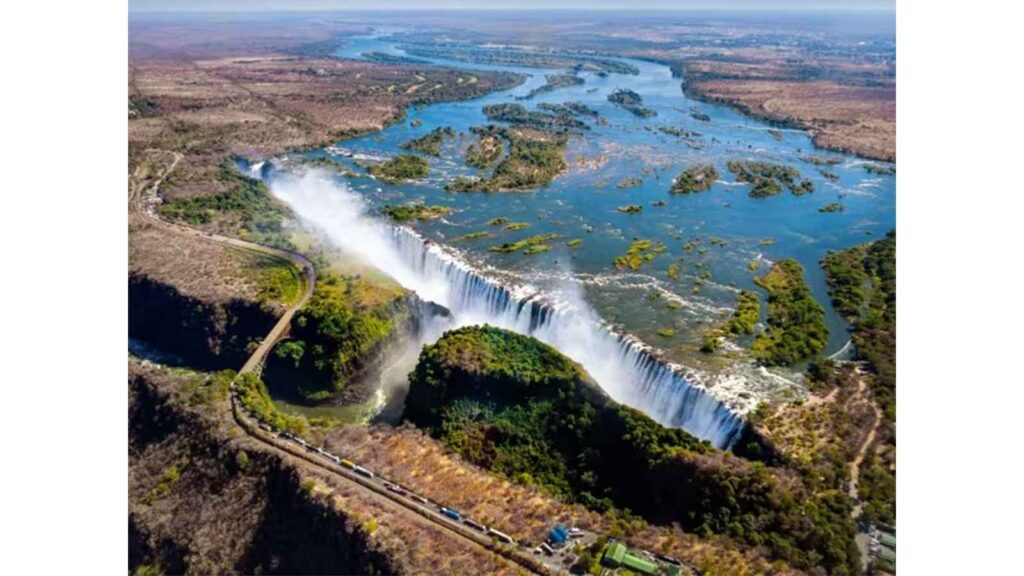
The idea is especially compelling because of Victoria Falls, which belongs to the tourism story of both countries.
This is the kind of strategic thinking Zimbabwe needs because tourists do not necessarily think in terms of political boundaries.
A visitor from Europe, Asia or North America may want to see Victoria Falls, Chobe, Hwange, Great Zimbabwe, Great Limpopo Transfrontier Park and other Southern African attractions during one extended trip.
If Zimbabwe, Zambia, Botswana, Namibia and other regional destinations cooperate effectively, they can create a stronger Southern African tourism proposition.
Tourism as a development industry
The case for tourism becomes even stronger when viewed through the wider economy because tourism connects sectors that are often discussed separately.
A tourist who sleeps in a hotel has indirectly supported the farmer who supplied vegetables, the company that provided electricity, the worker who cleaned the room, the driver who transported the guest, the artist who performed in the evening and the craftsman whose work was purchased as a souvenir.
This multiplier effect is why tourism can become one of the most effective instruments for inclusive development.
Lovemore Chikova is the Deputy Editor of The Sunday Mail with interests in development, strategic communication and the media