Blessing Chizhande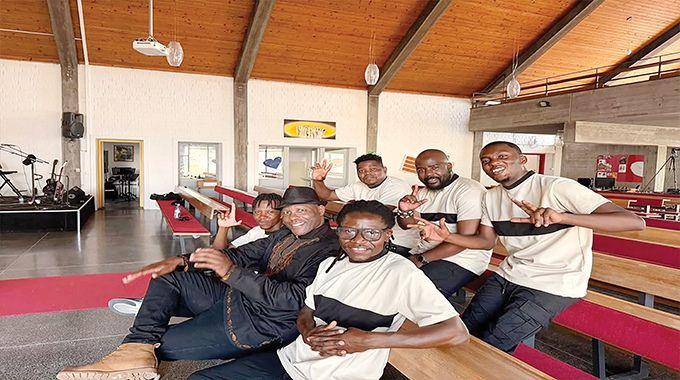
Bruce Ndlovu, Sunday Life Reporter
FOR many Zimbabwean musicians, a trip to Europe is an opportunity to take their music beyond familiar borders, introduce their brands to new audiences and hopefully, return home with a few more bookings in the diary.
For veteran Bulawayo musician Jeys Marabini, however, the journey has carried a much bigger responsibility.
Currently touring Europe with his band Amajongosi, Marabini has turned the stage into something of a travelling Zimbabwean exhibition — using his music not only to promote himself, but also to tell audiences about the country that produced him.
Between performances and rehearsals, the veteran musician has been speaking about Zimbabwean culture, music and some of the country’s most recognisable tourist attractions, including Victoria Falls, Matobo and Nyanga.
For Marabini, the tour has become an exercise in cultural diplomacy, with every performance offering an opportunity to change perceptions about Zimbabwe and Southern African music.
“I travelled with Amajongosi and the eagerness that they have shown for the stage has been remarkable. They are so enthusiastic about showing what they can do and sometimes I have to pull them to the side and say, take things a bit easy,” he told Sunday Life.
The enthusiasm, he believes, is partly fuelled by the realisation that they are performing in spaces where their music is being judged without the familiarity that often accompanies a home crowd.
“Everything that we have brought to this tour was deliberate. The production was designed to captivate the crowds that I knew that we would meet in this part of the world. We are playing at what I might call a neutral venue where we are judged off the strength of our work only.
“Sometimes we look down on ourselves but what this tour has taught me is that we can never underestimate the power of our music. No one questions where you come from, they just appreciate this unique flavour of music that you’re bringing.”
That flavour appears to have resonated.
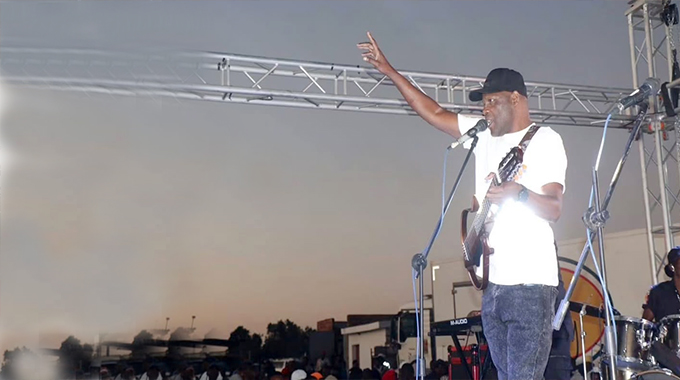
Marabini says the group has received standing ovations at performances across the tour, something he attributes to the distinctiveness of their sound and the relative scarcity of Southern African musicians in the European spaces they have entered.
“We have been getting standing ovations wherever we go and I think that’s because we are unique. People in this part of the world have been exposed mostly to musicians from East Africa.
“They have heard very few musicians from Southern Africa and I am very happy because I am not only representing Bulawayo and Zimbabwe but also the rest of the region,” he said.
But the musician is aware that a successful tour in the modern music industry is no longer measured solely by what happens on stage.
The camera phone has become almost as important as the microphone, with musicians expected to constantly document their movements, performances and encounters for audiences back home and potential partners abroad.
Marabini said his team has deliberately embraced this reality, capturing the tour as it unfolded rather than relying on word of mouth.
“We have made a deliberate effort to document all that is taking place because the era of just telling people that you had a great tour are over. You need to show that things actually happened as you claim and that is why we have been shooting a lot of content for our social media pages,” he said.
The strategy appears to be paying dividends.
Beyond the applause, the tour has already produced tangible commercial prospects, with Marabini revealing that new bookings have been secured for next year.
“The response and support have been overwhelming. We are looking forward to more and we want to work to achieve that. There are people that have been promising us more work and we are very eager to take that up. Already, we have been booked for the next year and that shows that we are not coming back home empty handed.
“I believe that, with the dates that we have confirmed so far, the tour next year is going to be even bigger.”
Yet perhaps the most interesting aspect of Marabini’s European expedition is what happens away from the stage.
While many performers naturally focus on getting audiences to remember their names and songs, Marabini has taken a wider view of what it means to travel as a Zimbabwean artist.
For him, the musician becomes a storyteller, introducing people who may know little about Zimbabwe to a country whose cultural and natural attractions extend far beyond the music being performed in front of them.
“Representing my country is something that I feel is beautiful and represents who I am as a person as a performer. As a touring group, we have used this as a chance to tell the people about some of our top destinations,” he said.
For a musician who has spent much of his career carrying the sound of Bulawayo beyond its borders, the latest journey has therefore become about more than returning with a bigger diary of bookings.
He is travelling with a country to sell.
“We have told them about Nyanga, Vic Falls, Matobo and other places of interest in our country. We want them to come and see these things for themselves and our job as a touring group has been to market these top destinations as best as we can.”
For decades, musicians have been among Zimbabwe’s most effective cultural exports, carrying the country’s languages, rhythms, stories and identities across borders. But in an era where international audiences can discover a country through a musician’s social media page as easily as through a tourism campaign, artists have an increasingly important role to play in shaping how their homeland is perceived.
Marabini’s tour demonstrates the possibilities of that intersection.
Every standing ovation is a victory for his music, but every conversation about Victoria Falls, Matobo or Nyanga is also a small invitation to someone thousands of kilometres away to look beyond the stage and discover Zimbabwe for themselves.
“I am not just a musician but I am an ambassador for my country,” he said.


 Online Reporter