Online Reporter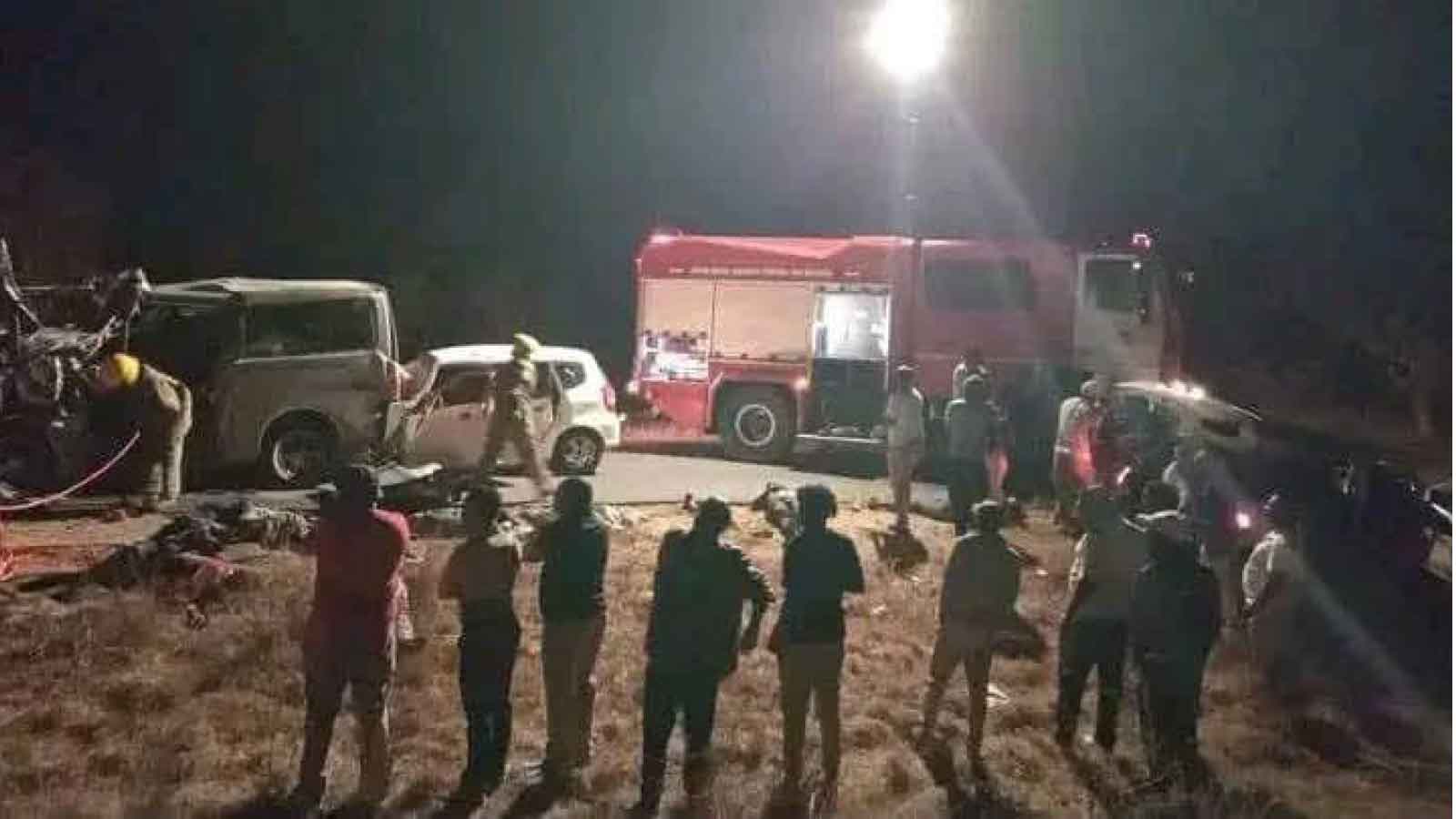
Fungai Muderere
Zimpapers Sports Hub
IT was supposed to be a year of celebration, nostalgia and pride.
A golden century of existence.
A hundred years of memories, heroes, success and a legacy that has made Highlanders one of the biggest, if not the biggest, football institution in Zimbabwe.
Instead, Bosso’s historic centenary has been thrown into an ocean of grief.
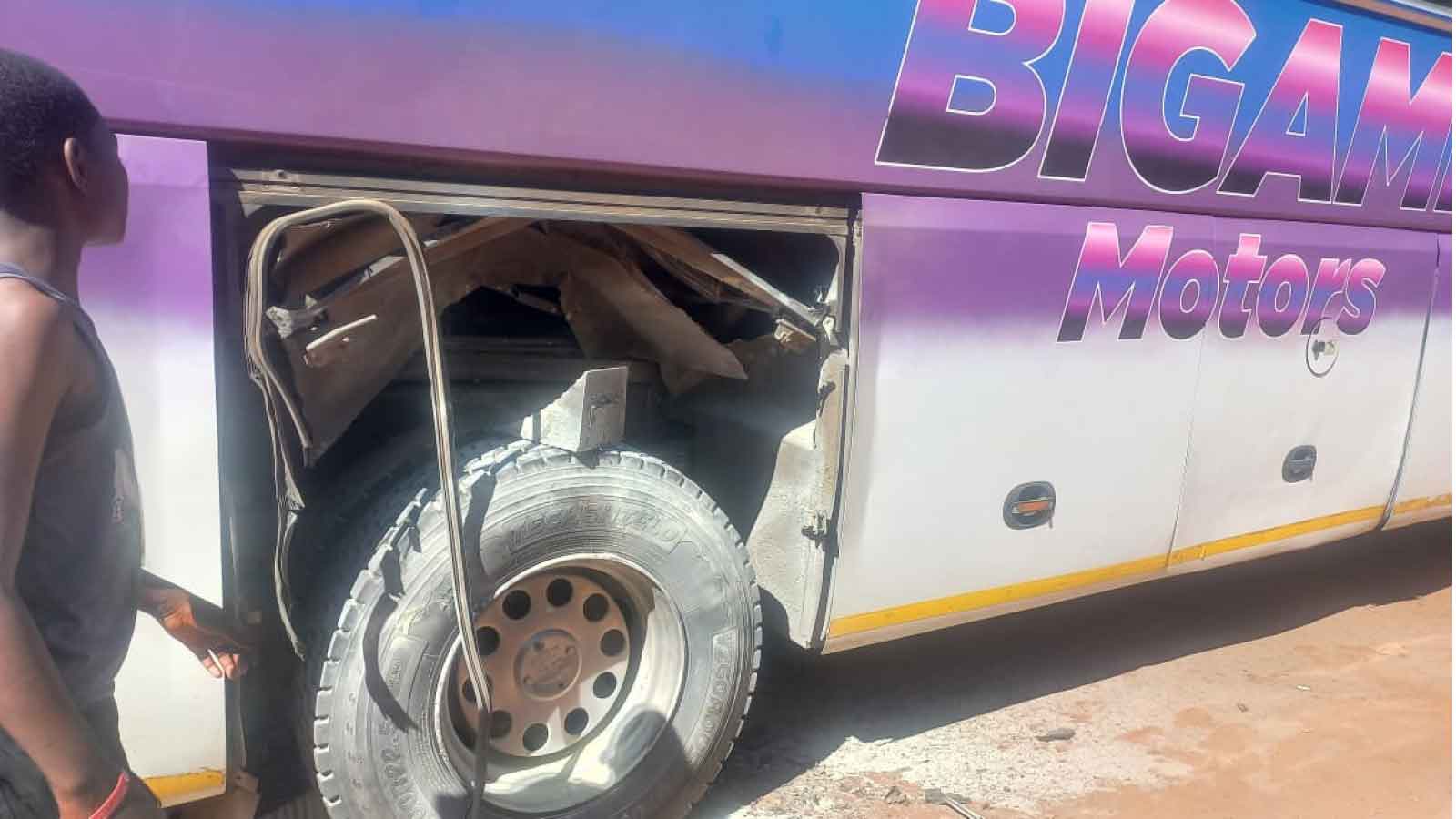
First, it was its entire executive’s leadership which was wiped out in a road accident.
The accident claimed the lives of chairman Kenneth Mhlope, vice-chairman Sifiso Siziba and treasurer Nkani Khoza.
One month after that tragedy struck, the pain remains raw.
And now, another tragedy has deepened the darkness hanging over what should have been one of the most joyous years in the club’s history.
The deaths of Mhlophe, Siziba and Khoza left a leadership vacuum at the heart of the Bulawayo giants.
The same accident also claimed the life of devoted Bosso supporter and club member Mbalenhle “Mbali” Sibanda.
And, now, barely had the Highlanders family begun to come to terms with that devastating loss when another road accident claimed the lives of a number of Bosso supporters on Sunday evening.
The fans were travelling back home from Barbourfields where they had watched Highlanders beat Herentals 2-0, when tragedy struck along the Bulawayo-Gwanda Road.
Highlanders confirmed the deaths with a statement that sent another wave of shock through the club’s vast family.
“Highlanders FC extends its deepest condolences to the families, friends, and loved ones of the seven supporters who tragically lost their lives on Sunday evening,” the club said.
“To the bereaved, we offer our sincere prayers, strength, and unwavering support during this incredibly difficult time.”
The club also paid tribute to the supporters’ loyalty and passion for Bosso, saying their dedication would forever remain part of the Highlanders story.
It is a cruel twist to a centenary that was meant to celebrate life, history and success.
And so, amid a landmark celebration that should have brought the Highlanders family together, a painful question continues to linger: why has such a dark cloud descended on Bosso during its 100th year of existence?
There are no easy answers.
Highlanders’ centenary has become a strange mixture of celebration and mourning, a painful reminder that even the biggest institutions can be brought to their knees by circumstances beyond their control.
The loss of the three senior club officials paralysed the leadership of an institution already navigating the demands of an historic year.
The deaths of Mbalenhle “Mbali” Sibanda and seven more supporters have taken the tragedy beyond the boardroom.
The grief is no longer confined to the club’s leadership.
It has spread through the terraces, supporters’ associations, families and communities that make Highlanders what it is.
For Bosso, football has always been about more than the 90 minutes on the pitch.
It is about identity.
It is about belonging.
It is about generations of families passing the Black-and-White tradition from one generation to another.
That is why the latest tragedy cuts very deeply.
These were not simply spectators who happened to attend a football match.
They were members of the Highlanders family, people whose passion for the club took them to Barbourfields and whose journey home ended in unimaginable tragedy.
The irony is painful.
A club celebrating 100 years of existence have been forced to spend part of their centenary counting the dead.
Yet Highlanders cannot stop.
The football show must go on.
The Highlanders board of directors and executive committee met last week, invoking Article 7.6 of the club constitution, moved to plug the leadership gaps created by the loss of their leadership.
Morris Mpala has been co-opted as the vice-chairman, Dr Joshua Dube takes charge of the finance portfolio, while Sindani Khumalo becomes the executive committee member responsible for marketing.
Kindman Ndlovu has taken over as executive committee chairman, with Morgen Dube assuming responsibility for technical development.
The appointments are necessary, but they also underline the magnitude of what Highlanders have lost.
Three senior figures, who were helping steer the club through its centenary year, are no longer there.
Their absence will be felt not only around the boardroom table but throughout an institution whose identity is deeply intertwined with its people.
For the new leadership, the task is enormous.
They must keep the club functioning, attend to its finances, oversee league programmes and ensure that centenary projects continue, all while the Highlanders family continues to mourn.
And, now they must also help a traumatised supporter base deal with another devastating.
A club that has survived generations, political changes, football revolutions, financial difficulties and countless challenges now find themselves having to rebuild its leadership structure while mourning supporters who lost their lives simply while returning from watching their beloved team.
Highlanders are more than a football club.
They are a cultural institution, a source of identity and pride for generations of supporters, and arguably Zimbabwe’s biggest football brand.
That is why the events surrounding the centenary have hurt so deeply.
A centenary is supposed to be about looking back with pride and forward with optimism.
Instead, Highlanders has been forced to look back at those who have gone and forward while carrying the weight of grief.
But perhaps the true test of the institution’s strength lies here.
Not in how it celebrates when times are good, but in how it stands together when tragedy strikes.
The club must now find a way to honour the memories of Mhlophe, Siziba, Khoza, Sibanda and the seven supporters whose lives were tragically cut short.
Their names must not become mere footnotes in the history of Highlanders’ centenary.
They were part of the Bosso story.
They were part of the people who carried the club through its first 100 years.
And their loss should serve as a reminder of the human connections that have sustained Highlanders for generations.
January 2027 elections will eventually give members an opportunity to determine the club’s permanent leadership.
For now, however, the newly-configured executive has one solemn duty: to steady the ship, support the grieving Highlanders family, honour those who were lost and ensure that the Bosso story – now 100 years old, continues.
The centenary may not be remembered solely for the trophies, celebrations and milestones that were planned.
It may also be remembered as the year Highlanders were forced to confront profound loss.
But that does not have to be the final chapter.
Because Bosso’s history has always been bigger than any individual.
It is bigger than any executive committee.
It is bigger than any single generation.
And it is carried by the people, the players, officials, members and supporters – who have kept the institution alive for a century.
Even in mourning, Bosso must rise.
And, perhaps the greatest tribute Highlanders can give those the club have lost is to ensure that the institution they loved continues to stand, united and strong, for the next 100 years.