Sikhumbuzo Moyo [email protected]
FARMERS in Matabeleland North have been urged to begin preparations for the 2026/27 agricultural season early, with authorities warning that the possibility of El Niño conditions could bring erratic rainfall and prolonged dry spells.
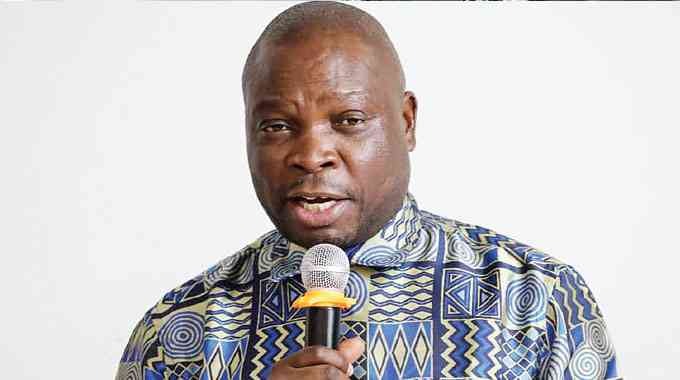
Speaking at the launch of the 2026/27 Matabeleland North Presidential Pfumvudza/Intwasa programme on Tuesday, Minister of State for Provincial Affairs and Devolution Richard Moyo said early land preparation, moisture conservation and crop diversification would be critical to protecting harvests and safeguarding household food security.
“The possibility of El Niño is a call to prepare, not a reason to panic. While we cannot control the weather, we can control how prepared we are to respond to it,” he said.
Minister Moyo said experience from previous drought seasons had shown that farmers who prepared their land early, conserved soil moisture, diversified crops and followed recommended agricultural practices were better positioned to withstand climate shocks.
“We must not wait for the effects of drought to become visible before taking action. The time to prepare is now,” he said.
Minister Moyo said the Pfumvudza/Intwasa programme offered farmers a climate-smart approach to crop production through proper land preparation, timely establishment of planting basins, moisture conservation and effective crop management.
He said productivity depended not only on the size of a field but also on how efficiently farmers used available land, water and inputs.
Minister Moyo urged farmers to increase production of drought-tolerant crops such as sorghum, pearl millet, finger millet and cowpeas to reduce their vulnerability to changing weather conditions.
He also called for wider adoption of water-harvesting and moisture-conservation techniques, including infiltration pits and tied ridges, alongside the rehabilitation of community water sources.
Farmers with access to irrigation were urged to use water efficiently to sustain production throughout the season.
Minister Moyo said the success of agricultural interventions should be measured by crop establishment, survival and eventual harvest rather than simply the number of hectares planted or the quantity of inputs distributed.
“The objective must be to maximise the chances of every planted seed producing a meaningful return, contributing to household food security and strengthening national food availability,” he said.
The minister said Government’s drought-resilience strategy was anchored on six pillars: strengthening strategic grain reserves; accelerating climate-smart agricultural production; improving access to agricultural financing and inputs; mitigating livestock losses; enhancing imports and market systems; and strengthening coordination and early-warning systems.
On grain reserves, he called for increased domestic production, improved storage and reduced post-harvest losses, while encouraging households to maintain adequate food stocks.
Minister Moyo said the Presidential 10kg grain contribution should be implemented in line with approved Government guidelines, with transparency, accountability and proper record-keeping.
He also urged farmers to prepare adequate livestock fodder reserves, maintain reliable water supplies, protect animal health and adopt appropriate stocking and strategic destocking measures to minimise livestock losses.
Minister Moyo called on Government departments, financial institutions, development partners and the private sector to coordinate efforts to ensure farmers received financing and inputs on time.
He said efficient market systems were necessary to keep food available and affordable, adding that imports, where required, should complement domestic production.
Minister Moyo urged Government departments, traditional leaders, farmers and other stakeholders to work together to translate weather forecasts into timely action, strengthen agricultural extension services and ensure that farmers received the support they needed.
He warned against the diversion or exploitation of agricultural inputs for personal or political gain, saying Government support was a public resource that required accountability.
“Every input allocated to a farmer represents an investment in production, livelihoods and national development,” said Minister Moyo.
He urged those involved in distributing inputs to observe their respective mandates and ensure that irregularities or complaints were reported and addressed through the appropriate channels.
Minister Moyo said agricultural interventions needed to reflect the varying conditions across wards and districts in Matabeleland North, including differences in rainfall, soil types, water availability, livestock populations and drought vulnerability.
He commended agricultural extension officers, traditional leaders, development partners and other stakeholders for supporting farmers.
The minister also highlighted Government programmes, including Pfumvudza/Intwasa, irrigation development, agricultural mechanisation, rural industrialisation and climate-smart farming, as part of broader efforts to strengthen national food security under President Mnangagwa’s leadership.