Online Reporter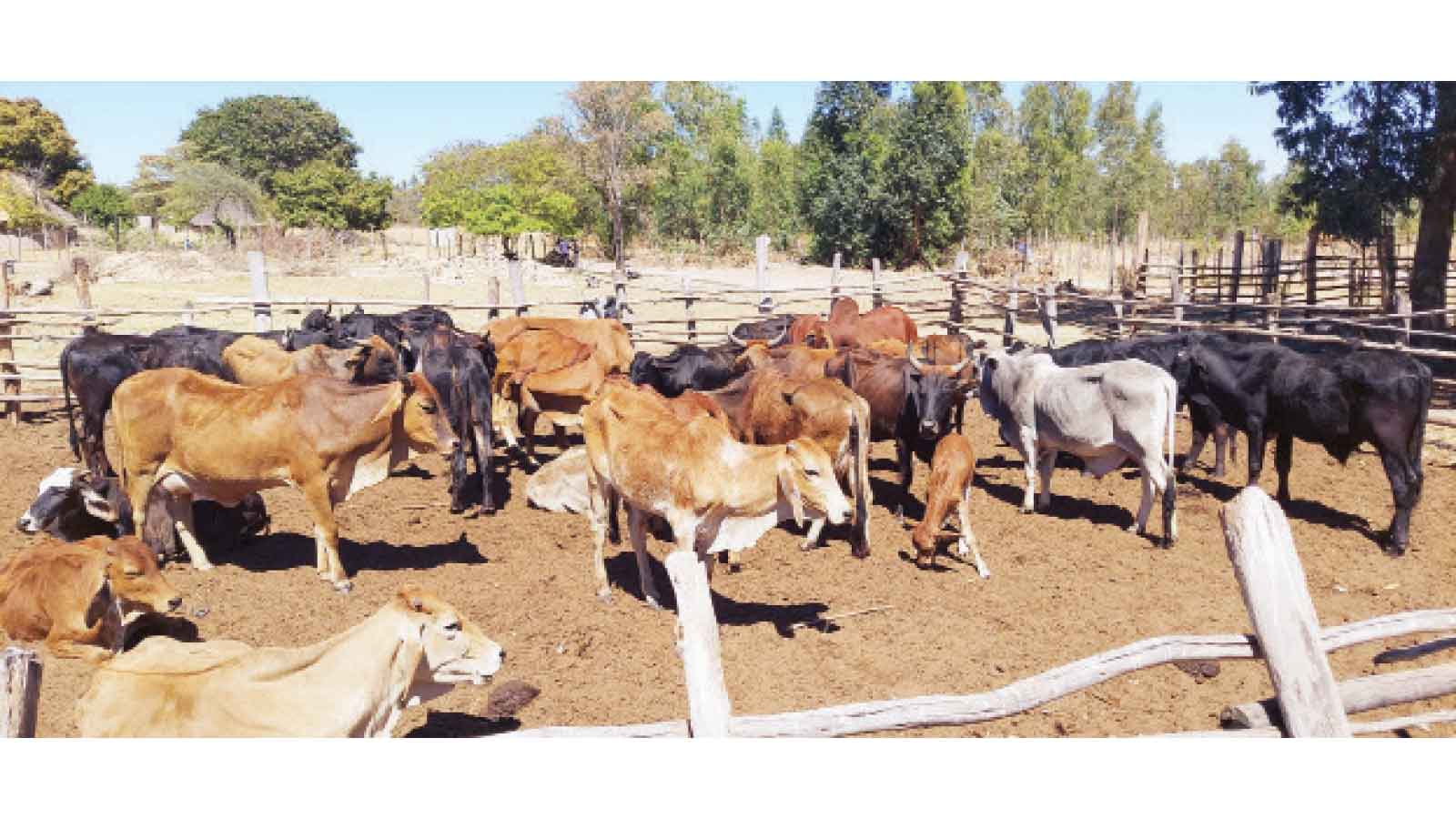
Innocent Mujeri
AS Zimbabwe approaches the 2025/2026 rainy season, the country enters a period historically associated with heightened livestock disease prevalence.
This seasonal pattern is not simply a veterinary concern; it has far-reaching implications for national food security, rural livelihoods, agricultural productivity, and the broader economy. Increased moisture levels, greater vector activity, and intensified movement of animals during the rains all contribute to elevated disease risks. Because of this, early planning and robust preparedness are essential for safeguarding the national herd.
In response to these anticipated challenges, the nation’s veterinary authorities have strengthened disease prevention and control measures through a science-anchored, proactive programme. The ongoing interventions point to a decisive shift away from reactive strategies that previously allowed outbreaks to escalate before being adequately contained.
Instead, the country is now focusing on enhanced surveillance, early detection, rapid reporting, and swift field-level interventions, all of which minimise the impact of livestock diseases before they become widespread. This approach underscores a clear recognition that protecting animal health is central to sustaining agriculture and ensuring stable food supplies.
One of the most significant developments this season is the decentralisation of laboratory and diagnostic services from central institutions to provincial and district levels. This change greatly improves the speed and efficiency of Zimbabwe’s disease monitoring systems.
In the past, centralised laboratories often struggled with delays in sample processing, which slowed down diagnoses and hampered timely reactions on the ground. By bringing diagnostic capacity closer to farming communities, the turnaround time between sample submission and disease confirmation is reduced.
This allows veterinary staff to act faster and more effectively, preventing localised outbreaks from becoming national crises. To support this shift, veterinary and extension personnel across provinces have received targeted training to strengthen their capacity in disease identification, reporting, and response.
Vaccination, one of the most reliable tools in disease prevention, has also been expanded significantly. National vaccination campaigns are now covering a broader range of priority diseases, including foot-and-mouth disease, anthrax, rabies, and Newcastle disease.
These illnesses have historically posed severe threats to both commercial and communal livestock production. Foot-and-mouth disease constrains cattle marketing and trade, anthrax persists in the soil and can re-emerge unexpectedly, rabies threatens both animal and human life, while Newcastle disease remains a major cause of poultry mortality, especially in rural communities.
By strengthening vaccination coverage, authorities are building a protective shield around the national herd, reducing mortality and supporting household resilience.
Tick-borne diseases are another major challenge that intensifies during the rainy season. Illnesses such as theileriosis, babesiosis, and anaplasmosis have caused significant losses in past years. The current programme for tick and tick-borne disease control has therefore been accelerated and reinforced.
Measures include restoring dipping cycles, ensuring the availability of acaricides, paying arrears to suppliers to prevent chemical shortages, rehabilitating dip tanks that had deteriorated, and installing solar systems to secure water supply for dipping operations.
By revitalising the dipping infrastructure and ensuring regular, uninterrupted dipping, the country is taking important steps towards breaking the life cycle of ticks and reducing the incidence of costly outbreaks. Vaccination against certain tick-borne diseases is also being strengthened where applicable.
While these immediate interventions are crucial, the veterinary authorities are also investing in long-term animal health and production systems to build a more resilient livestock sector. Efforts are underway to improve livestock genetics, expand cold-chain facilities, modernise trade facilitation mechanisms, and promote the development of disease-free compartments.
These long-term investments aim to raise productivity, improve food safety, meet international market standards, and create opportunities for value addition. A stronger animal health system not only reduces mortality but also contributes to a more competitive and sustainable agricultural economy.
Zimbabwe is simultaneously working to align its veterinary governance with international standards by submitting key health dossiers to the World Organisation for Animal Health. Some dossiers, including those demonstrating historical freedom from specific diseases, have already been accepted for evaluation.
This progress signals a growing international confidence in Zimbabwe’s efforts to strengthen disease control and surveillance systems. International recognition would open doors for increased trade, greater investment opportunities, and enhanced competitiveness of local livestock products.
It is important to recognise that livestock plays multiple roles in Zimbabwean society. Cattle provide draught power, meat, milk, manure, and essential household wealth. Goats and sheep offer resilience for poorer households, while poultry remains a vital source of nutrition and income, particularly for rural families.
The loss of livestock to disease can severely undermine household stability, reduce food availability, and push families into hardship. Protecting the national herd is therefore not only an economic imperative but also a social one.
The intensified veterinary interventions currently under way demonstrate a clear and determined commitment to safeguarding the livestock sector as the rainy season approaches. With disease risks known to rise sharply with increased rainfall, the country’s heightened preparedness will play a decisive role in preventing livestock losses, securing household livelihoods, and ensuring steady food supplies.
The success of these initiatives will depend on the continued cooperation of farmers, veterinary personnel, and local communities, as disease control is most effective when it is collective.
Ultimately, the protection of animal health is the protection of national security. By reinforcing surveillance systems, expanding vaccination campaigns, revitalising dipping infrastructure, and modernising diagnostic and response capacity, Zimbabwe is laying the foundation for a more stable, food-secure future.
These efforts reflect a broader vision of building a resilient agricultural sector capable of supporting economic growth, sustaining livelihoods, and contributing to long-term national development.
In a time when food security remains a global concern, Zimbabwe’s renewed focus on livestock health is both timely and commendable — a forward-looking investment in the welfare and prosperity of the nation.