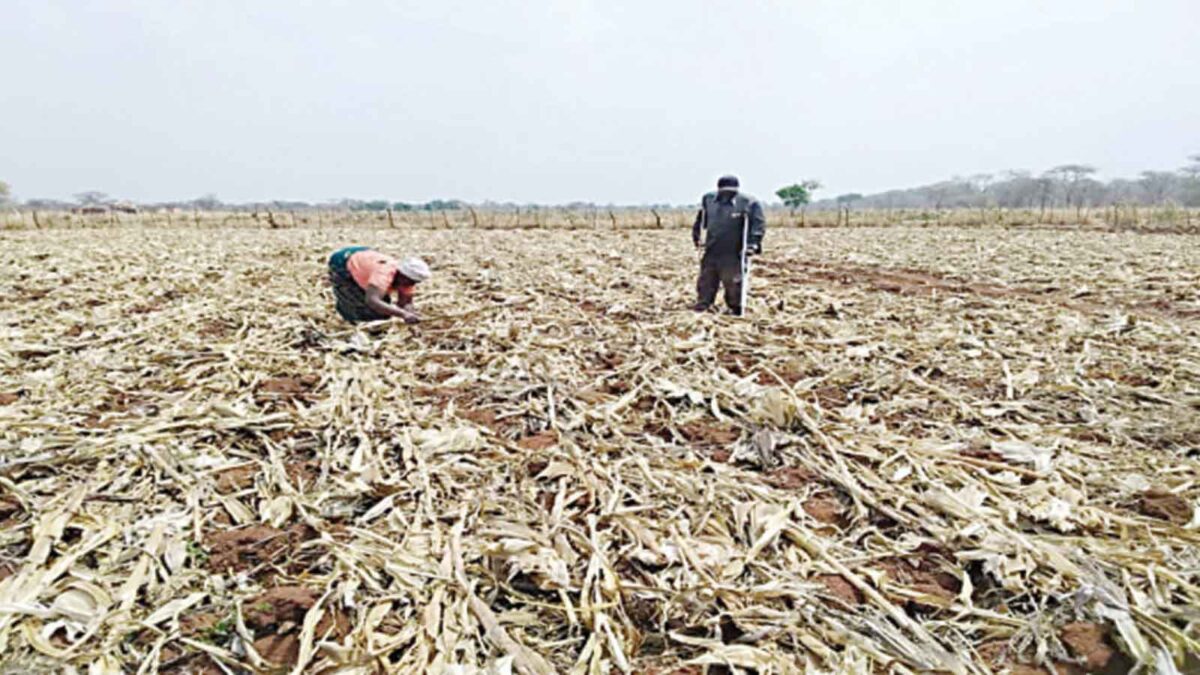
A wave of concern has swept across Zimbabwe’s farming communities in the wake of predictions by the Meteorological Services Department of a strong El Niño event this season. Social media chatter and market rumours have amplified fears, with some farmers bracing for the worst. Yet, leading agricultural scientists and industry experts are urging the nation to take a deep breath, focus on informed action, and remember: El Niño is a natural cycle not the end of farming life in Zimbabwe.
“We’ve Seen This Before”: Zimbabwe’s Proven Resilience
Zimbabwe’s agricultural sector has weathered El Niño events before, including severe cases in 1997/98 and 2015/16. While these cycles bring a higher chance of below-normal rainfall and unpredictable weather, they are part of the climate patterns of Southern Africa.
Dr. Hillary Mugiyo, a ADAS-based crop scientist, reminds us, “These are not new conditions. Our farmers have faced El Niño before and, with the right information and planning, have often come out with strong harvests and even stronger communities.”
Expert Advice: Do Not Panic, Avoid Misinformation
With anxiety on the rise, experts caution against relying on rumours or sensational social media posts. “Farmers need to listen to credible sources extension officers, the Ministry of Agriculture, and trusted scientists. Rumours and misinformation can do more harm than the weather itself,” says Dr. Mugiyo.
Turning El Niño Into Opportunity
- Crop Choices
In past El Niño years, farmers in Chiredzi, Gwanda, and Buhera successfully shifted to drought-tolerant crops sorghum, millet, sunflower, and groundnuts. These crops matured before the late-season dry spells and fetched good prices at local markets. New early maturing maize varieties, now available through local seed companies like Seed Co and Pannar, also offer hope for smallholder and commercial farmers.
- Livestock Solutions
Livestock producers in Matabeleland South leveraged dry-season innovations like fodder banks, feeding their cattle with lablab, velvet bean, and crop residues. Dry conditions can also mean fewer livestock diseases related to wet, muddy environments. In drought years gone by, strategic sales at livestock auctions helped many families sustain their livelihoods sometimes at higher prices due to market shortages.
- Aquaculture Innovations
By adopting recirculating aquaculture systems and better water management, Kariba and Chivero fish farmers have been able to maintain yields and reduce disease outbreaks, turning dry periods into a time for system upgrades.
- Capturing Market Advantages
Agri-markets respond to supply and demand. As Mr Simbarashe Chikamba, an agricultural economist, explains, “When staple yields drop, the price for quality produce grains, legumes, and livestock often spikes. Farmers and traders with surplus or climate-smart practices can take advantage of these favorable market conditions.”
- Agrotourism Potential
Rural communities near Hwange and Gonarezhou National Parks have used dry seasons to promote eco-tourism: wildlife spotting, birding events, and agrotourism experiences that draw visitors seeking to learn about resilience and drought-adapted farming.
- Soil and Land
All 35 000 villages have made remarkable progress using conservation agriculture minimum tillage, planting basins, mulching, and cover crops to keep their soils productive and moist, despite dry weather.
Building Resilient Futures: Government and Community Action
The Ministry of Agriculture, in partnership with agencies like AGRITEX is rolling out training on climate-smart practices, water harvesting, and farm business planning throughout the country. Farmers are encouraged to join field days, access official bulletins, and connect with expert advisors before making any major decisions.
Says M Sithole, an extension officer in Chipinge, “Every El Niño, we see some farmers thrive while others struggle. The big difference isn’t just rainfall it’s planning, information, and willingness to try new things.”
The Bottom Line: Don’t Fear, Prepare and Prosper
El Niño brings challenges, but also drives innovation, market opportunity, and community resilience. Zimbabwe’s history shows that with the right mix of old wisdom and new technical guidance, our farming families can adapt and even prosper in the face of climate variability. As Dr. Mugiyo concludes, “This is not the end. It’s a new test and an opportunity for Zimbabwean agriculture to show its strength, its innovation, and its resilience.” Let us face the coming season not with panic, but with determination, smart choices, and unity. — Agricultural Research Council