

 Online Reporter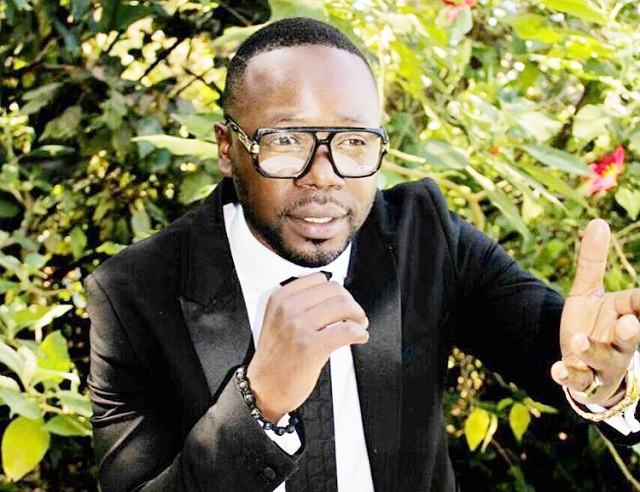
Langalihle Mhiti
Zimpapers Entertainment Hub
AWARD-WINNING rapper Stunner, born Desmond Chideme, has added his voice to the growing global campaign against cyberbullying, warning that online abuse has evolved from what many dismiss as harmless banter into a serious social problem capable of destroying confidence, damaging mental health, and, in extreme cases, costing lives.
As social media increasingly shapes conversations and public opinion, the musician believes there is an urgent need for Zimbabweans to reflect on how they engage online, arguing that behind every profile is a human being whose emotional well-being can be deeply affected by careless words.
Speaking in an interview, Stunner said cyberbullying had become normalised, with many internet users failing to appreciate the lasting impact their comments could have on victims.
“I recently spoke about this cyberbullying thing, and some people still think it’s a joke. It’s no different from body shaming. What people don’t know is how the person they are bullying is going to feel or react after their actions,” he said.
His remarks come at a time when concerns over online harassment are growing worldwide, with governments, technology companies, mental health organisations, and public figures calling for greater accountability on digital platforms.
While celebrities are often expected to develop resilience against public criticism, Stunner said sustained online abuse should never be accepted as part of fame.
He noted that many victims of cyberbullying make drastic changes to their appearance and lifestyles after being subjected to repeated ridicule.
“Some have started bleaching because they were called names. Some lost weight they didn’t need to lose, while others gained weight because someone said they looked like they had been hungry all their lives. Young men and women have found themselves in bad places and situations because of other people’s thoughts and words,” he said.
According to the rapper, the effects of cyberbullying extend far beyond social media time-lines, often influencing how people perceive themselves and interact with society.
He warned that while some victims internalise the abuse, others may respond by making life-changing decisions driven by insecurity rather than personal choice.
Stunner also reflected on his own experiences, revealing that he has endured online attacks for much of his career.
“I have been a victim of this for most of my life, but because I was raised differently, in a strong way, people think it doesn’t affect me. I refuse to allow anyone to narrate my life story,” he said.
Despite his resilience, the musician cautioned against assuming that public figures are immune to emotional pain.
“What if one day it becomes too much for me? Not everyone can cope with this kind of pressure,” he said.
His sentiments echo those expressed by several internationally acclaimed entertainers who have openly discussed the emotional burden of living under constant online scrutiny.
American actress and singer Selena Gomez has repeatedly spoken about the damaging effects of social media on mental health, revealing that online negativity became so overwhelming that she limited her direct engagement with social media for extended periods.
British singer-songwriter Ed Sheeran has also admitted to stepping away from social media after becoming exhausted by the negativity that often dominates online conversations.
Similarly, actor Tom Holland announced a temporary break from Instagram and other digital platforms, saying constant exposure to social media had become overwhelming and detrimental to his mental well-being.
These experiences have helped shift global conversations around cyberbullying from celebrity gossip to a broader public health concern, with experts warning that prolonged online harassment can contribute to anxiety, depression, low self-esteem, and social isolation. In Zimbabwe, the conversation is also gaining momentum as musicians, broadcasters, actors, influencers, and sports personalities increasingly find themselves subjected to relentless criticism on social media.
The growth of digital platforms has given artistes unprecedented access to audiences, but it has also exposed them to abuse that often extends beyond their work to their appearance, family life, and personal relationships.
Mental health practitioners have consistently argued that online abuse should not be trivialised, particularly among young people who spend a significant amount of time on social media and may be more vulnerable to peer pressure and public humiliation.
Stunner believes society must collectively reject a culture that celebrates humiliation in the name of entertainment.
“Worse still, some have committed suicide because of such actions of hate or bad jokes on different platforms. Where is the pleasure in hurting someone? Just stop. Anything beyond that is abuse,” he said.
While calling for empathy, the rapper also warned that cyberbullying should have legal consequences where individuals deliberately inflict emotional harm through defamatory or abusive online conduct.
“If I get your name and where I can find you, trust me, you’re going to jail. You don’t joke like that with people because if they get hurt, you can’t simply buy them medication,” he said. His comments come as policymakers across the world continue exploring ways to balance freedom of expression with protection against online abuse, while technology companies face increasing pressure to strengthen safeguards against harassment on their platforms.
For Stunner, however, legislation alone will not solve the problem.
He believes meaningful change begins with individuals choosing empathy over cruelty and recognising the responsibility that comes with every comment shared online.
“There is no joy in hurting another person. Social media should be a place where we encourage one another, not a platform for humiliation and abuse. We all have a responsibility to be kinder because we never know what someone else is going through,” he said.
His appeal serves as a reminder that cyberbullying is not merely an entertainment industry issue but a societal challenge requiring collective action from families, schools, communities, policymakers, and digital platform users.
As Zimbabwe’s digital ecosystem continues to expand, Stunner hopes social media can evolve into a space that promotes constructive dialogue, creativity, and mutual respect, rather than one that normalises hostility and emotional harm.



