Sikhulekelani Moyo [email protected]
INGUTSHENI Central Hospital in Bulawayo is grappling with overcrowding, with 168 mental health patients admitted against a holding capacity of 98, as rising drug and substance abuse-related disorders continue to place increasing pressure on the specialised psychiatric facility.
The hospital is accommodating 70 patients above its designated capacity, representing an excess of about 71 percent and highlighting the growing demand for mental health services amid mounting pressure on available infrastructure, personnel and resources.
The situation underscores the challenges facing a facility whose specialised mandate is to provide psychiatric assessment, treatment and rehabilitation to people with mental health conditions.
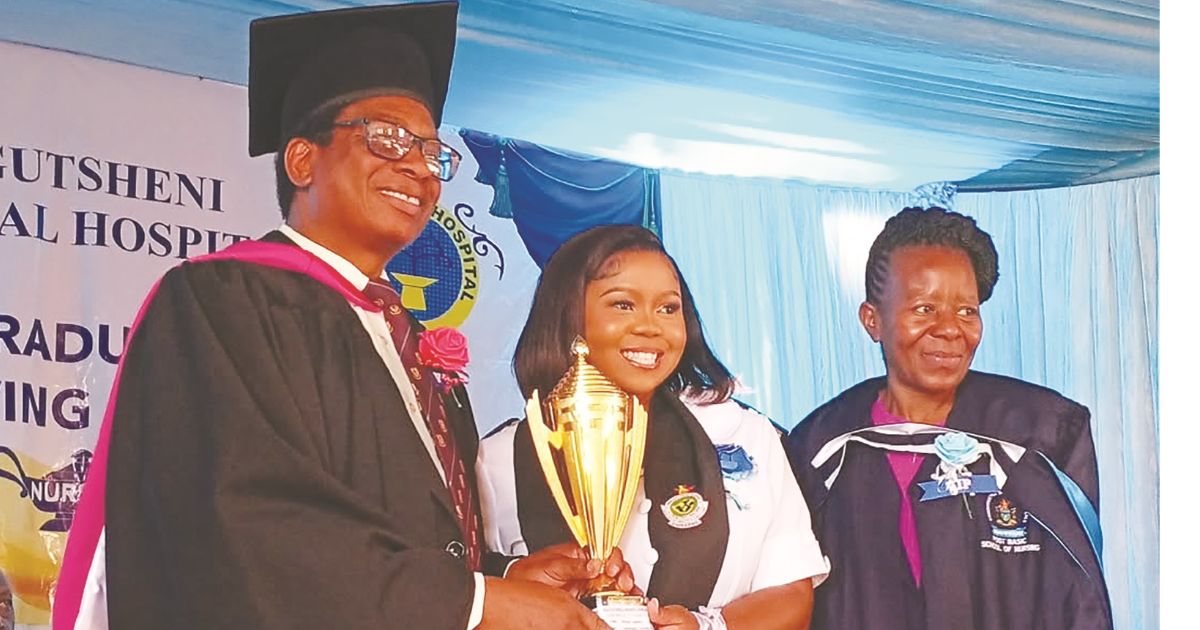
Speaking during the hospital’s graduation ceremony last Friday, chief medical officer Dr Nemache Mawere said substance use disorders were contributing significantly to the rising number of admissions.
“Currently we have 168 patients against a capacity of 98. These numbers are fuelled by the high numbers of substance use patients, which is a national crisis beyond our capacity to resolve,” he said.
Dr Mawere said the growing number of admissions was placing additional pressure on beds, healthcare workers and other resources required to provide quality psychiatric care.
He said the hospital was strengthening its response through additional staffing, improved access to medication, psychological support and rehabilitation services.
Dr Mawere said the institution had received 10 additional social worker posts to help address social challenges associated with readmissions and prolonged hospital stays.
“There has been an adequate supply of basic medications for the past two years. Our psychologists continue to offer talk therapy and we now have more posts as well to ensure better coverage,” he said.
Dr Mawere said the occupational therapy department continued to rehabilitate patients and help them regain functionality.
He said the hospital had also received an additional 323 posts in 2026 to address staffing gaps and improve service delivery.
“To effectively deliver services, we have received an extra 323 posts in 2026. These include farm hands, security guards and general hands who are the anchor of our work and have been few for a long time.
“We also had posts for professionals, including those for areas we hope to establish soon. The hospital now has artisans who can readily repair infrastructure, complementing the public works department,” he said.
Dr Mawere said the number of middle-level doctors had more than doubled, from seven to 15, with seven currently undergoing training to become psychiatrists.
He said the hospital continued to train 15 Registered Mental Health Nurses (RMNs) annually, achieving a 100 percent pass rate, although the institution still faced a shortage of nursing personnel.
The recommended nurse-to-patient ratio is one to four.
“We have been churning out 15 Registered Mental Health Nurses every year with a 100 percent pass rate. They have found a home to work here where we still have a dire shortage of nurses,” he said.
Dr Mawere said the hospital had received 20 additional training posts for RMNs, which would be spread over three years as part of efforts to increase the number of specialised nurses.
“This will help to approach our desired 100 nurses trained annually,” he said.
The hospital also continues to offer post-basic psychiatric nursing training, with graduates deployed to health institutions across the country and beyond.
Dr Mawere said staff welfare was another priority, with the hospital working to establish a wellness clinic to screen employees for various health conditions, including mental health challenges.
“We are establishing a wellness clinic to help screen our staff for breast cancer, cervical cancer, prostate cancer and mental health problems. We also do sport every Wednesday afternoon. This helps staff to loosen up as all levels of staff participate,” he said.
Dr Mawere urged the newly qualified mental health nurses to uphold compassion, professionalism and ethical standards in their work.
He described nurses as the backbone of the healthcare system, saying those specialising in mental health played a critical role in connecting communities with psychiatric care.
“Nurses are the backbone of our healthcare system. With the specialised training received as mental health nurses, you are the glue linking society to mental health care. You are there to give care 24/7. Indeed, the expectations are high,” he said.
Dr Mawere urged the graduates to embrace continuous learning and adapt to emerging technologies, including artificial intelligence, as healthcare delivery continues to evolve.
“I encourage you to adapt to the new. Artificial Intelligence is here to simplify our lives; let’s embrace it. Healthcare is constantly changing, new evidence, technologies, treatment approaches and patient needs require nurses to remain curious, informed and willing to learn. Never become complacent,” he said.
Dr Mawere also emphasised the importance of trust and ethical conduct in mental healthcare, where patients depend on healthcare professionals to safeguard their dignity, privacy and wellbeing.
“Trust must never be taken lightly and I believe the ethical standards expected of you have been drilled into you. Let these standards be part of your DNA,” he said.
He said clinical competence should be matched by empathy and an understanding of the emotional and social challenges experienced by patients and their families.
“In our pursuit of clinical excellence, we must never lose sight of the human experience of illness. Patients come to our institutions with different fears, expectations, social circumstances and support systems,” he said.
He urged the graduates to demonstrate compassion, pursue excellence and safeguard the dignity of every patient, emphasising that empathy and understanding were essential to recovery and successful reintegration into families and communities.