peter
peter
Robin Muchetu, Senior Reporter
COMMUNITIES around the Matobo National Park have for ages been involved in human-wildlife conflicts that have seen people being injured while livestock have been killed by wild animals that have even caused accidents along the highway in the ensuing battle for space.
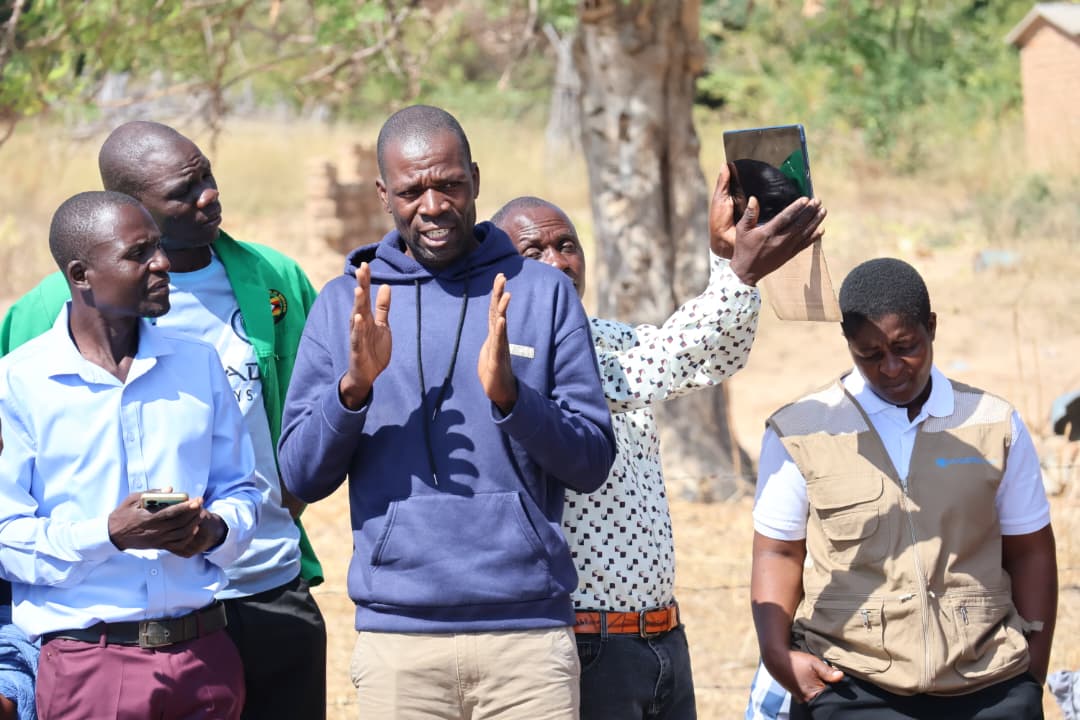
This, however, is expected to stop after Matobo Conservation Society has come on board and facilitated the erection of a perimeter fence around the Gulati area. The community has assisted by bringing in free labour for the project as there were limited resources but this has since changed as a donor has chipped in and now the labourers are getting paid for their work.
Mr Neil Rix of the Matobo Conservation Society who has partnered with the Zimbabwe National Parks and Wildlife Authority for the project said the fence was erected in Gulati, as it was the most vulnerable area.
“We identified this area as the ideal place to kick off the project because cattle often come to this area so we decided to fence it off first. The fencing will be done in phases and this was phase one which is four kilometres long. We are currently looking at the model and we are looking at making any modifications if need be so that we can go on to the second phase,” he said.
He said their mission was to aid in all issues to do with conservation in Matopos.
“Principally our interest is to help facilitate activities on the ground that speak to conservation and prevention of human wildlife conflict. The society was established in 1993 and we have had a broad interest in the area and particularly the principal stakeholder which is the National Parks. We believe we are here to support activities that they identify as essential for better conservation practises.The fence will help the community to better manage their livestock and for parks to manage their wildlife populations in the area. We started here in the Gulati area moving down to the Togwe area,” said Mr Rix.
Mr Tinashe Farawo, the spokesperson for the authority said this was an ongoing exercise to engage stakeholders in preserving and protecting wildlife.
“We are working with everyone; we are calling on stakeholders to work with us and the communities. We also want to ensure that communities benefit from the wildlife that they share borders with. They bear the brunt of living next to wildlife. We have created employment by erecting this fence. Our hope is that the whole park is protected in the long run,” he said.
Mr Farawo said the fencing off would also curb the spread of diseases from wildlife to domestic animals too. Communities have also benefited by cutting grass in the national park for free that they can use for thatching and hay bales and for other uses at no cost.
“This way they gain value from the park and they can see the economic opportunity from this place,” he added.
Mr Evans Mabhiza, the coordinator of the fence project and also Rowallan Adventure Park said communities have realised the value of fencing off of the park.
“We are here for protection of wildlife and livestock in this area through erecting of this fence and this will go a long way in conservation of the park. I am glad that together with the community we are able to safeguard the park’s heritage and at the same time protecting the animals as this site is very historic,” he said.
He added; “I am glad that when we started, we all were in consensus with the community that there was a problem of stray animals and everyone got on board.”
Mkhokha village head Mr Kholi Mkwananzi said the project was significant as it safeguarded the animals.
“This fence project will aid in protecting livestock that have been straying from the communal areas into the national park looking for water. The fact that we now have a fence will ensure that they are kept in the right places.
“Wild animals from the park would also stray into the communities leading to serious human-wildlife conflict as people would attack the wildlife in a bid to save themselves. Livestock on the other hand would stray too and would be captured by the park’s rangers and we had to pay to get those animals back to us,” he said.
He said villagers in Mkhokha and Nyumbane came together and erected a fence with the help of the wildlife authority.
Mr Mkwananzi said villagers do understand the importance of safeguarding wildlife especially with large animals adding that it was unfortunate that at times smaller animals were attacked and killed by dogs belonging to the villagers.
The village head said it was of importance that the authority works with the community in initiating programmes that would benefit both parties.
He also added that water was a challenge for the area.
“We are also pleading for water sources in this area as both animals and humans need water. We do not want animals to come and interfere with human settlements as there tends to be a lot of conflict and loss of life in some cases. So, water would assist in curbing some of these problems,” he said.
Matobo Conservation Society said they were fortunate to get support from Fence Africa as they have given them competitive prices for the stretch of wire and they were hoping to fence off 15km in the next few months.


 Online Reporter