Chronicle Editor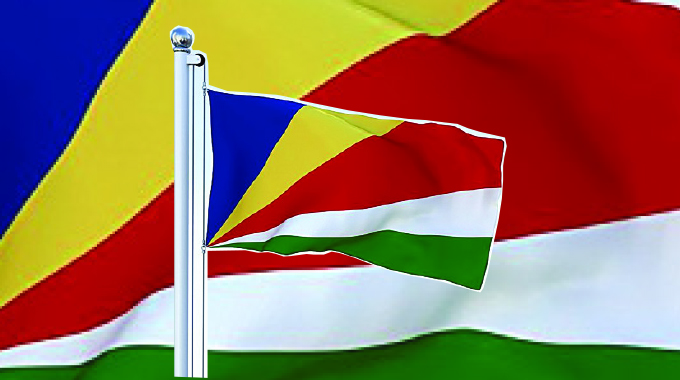
Seychelles became a member of the Southern African Development Community (SADC) in September 1997, but withdrew in 2004.
In 2008, the Seychelles was readmitted into SADC and became party to the SADC Trade Protocol in May 2015.
The cosmopolitan Seychellois are a colourful and harmonious blend of different races, which stem from African, European and Asian roots all of whom have brought something of their own customs and way of life to the islands. The result is a charming Creole culture enriched from the melting pot of many continents.
There are three official languages — English, French and Creole. Creole is spoken by everyone and is an adaptation of 17th Century French with additional words and expressions coming from African languages and from Madagascar. It has been elevated to national language status, earning the same respect as English and French.

Today, Creole is a written as well as a spoken language, which has resulted in an outburst of creativity in plays, poetry and prose.
Capital: Victoria
Area of Country: 455 square kilometres Currency: Seychellois Rupee (SCR) (1 Rs = 100 cents)
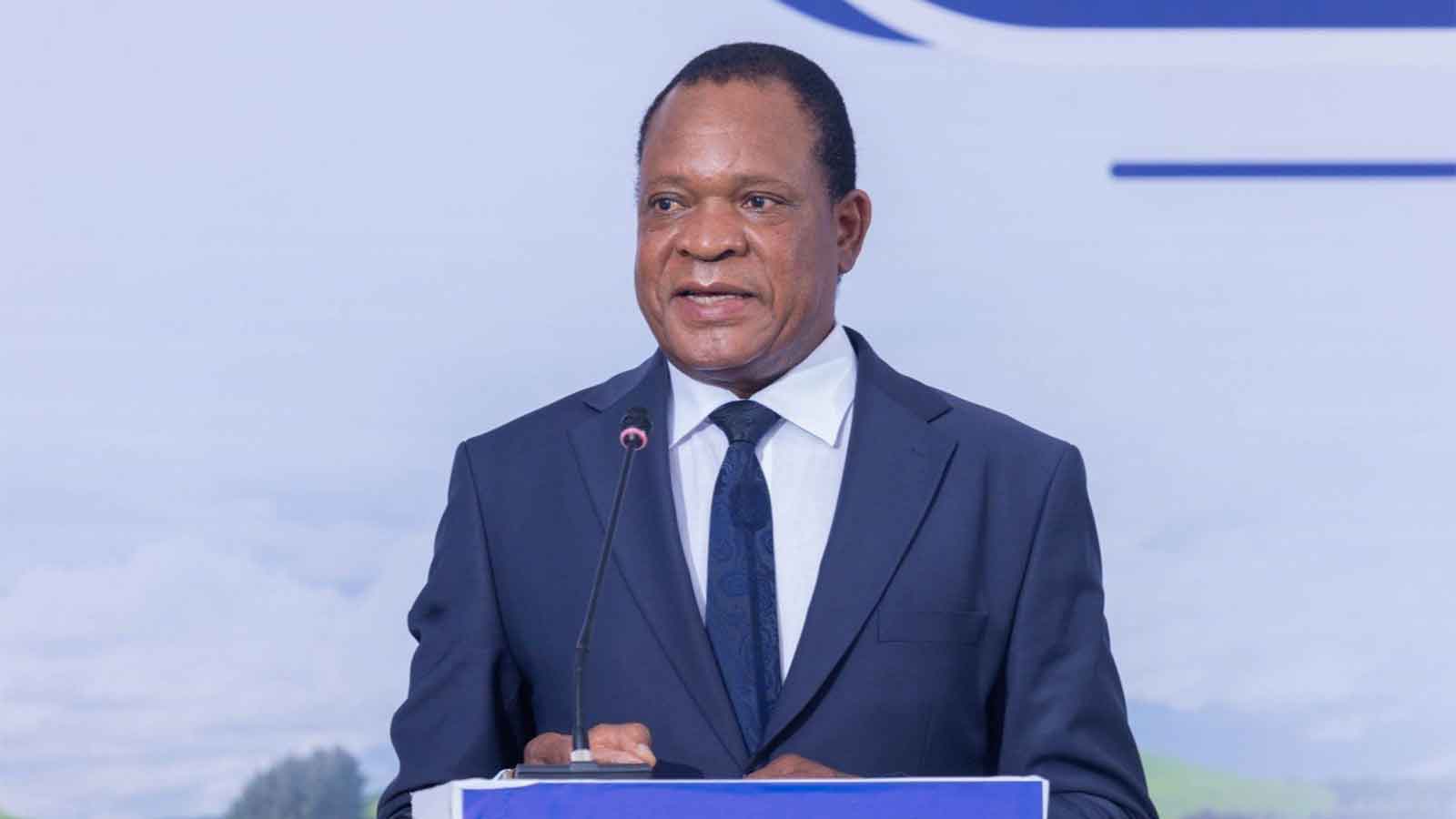
Head of State: President Wavel Ramkalawan
Official Languages: French, English, Seychellois Creole (Kreol)
Climate
Seychelles, one of the world’s smallest countries, is composed of two main island groups: the Mahé group of more than 40 central, mountainous granitic islands and a second group of more than 70 outer, flat, coralline islands. The islands of the Mahé group are rocky and typically have a narrow coastal strip and a central range of hills. The overall aspect of those islands, with their lush tropical vegetation, is that of high hanging gardens overlooking silver-white beaches and clear lagoons. The highest point in Seychelles, Morne Seychellois (905 metres), situated on Mahé, is located within this mountainous island group. The coralline islands, rising only a few feet above sea level, are flat with elevated coral reefs at different stages of formation. These islands are largely waterless, and very few have a resident population. The climate is tropical oceanic, with little temperature variation during the year. Precipitation levels vary greatly from island to island; on Mahé, annual precipitation ranges from 2 300mm at sea level to 3 560 on the mountain slopes. Humidity is persistently high but is ameliorated somewhat in locations windward of the prevailing southeast trade winds.
Wildlife includes a remarkably diverse array of marine life, including more than 900 identified species of fish; green sea turtles and giant tortoises also inhabit the islands. Endemic species include birds such as Seychelles bulbuls and cave-dwelling Seychelles swiftlets; several species of local tree frogs, snails, and wormlike caecilians; Seychelles wolf snakes and house snakes; tiger chameleons; and others. Endemic mammals are few; both fruit bats (Pteropus seychellensis) and Seychelles sheath-tailed bats (Coleura seychellensis) are endemic to the islands. Indian mynahs, barn owls, and tenrecs (small shrewlike or hedgehog-like mammals introduced from Madagascar) are also found. Considerable efforts have been made to preserve the islands’ marked biodiversity. The Seychelles’ government has established several nature preserves and marine parks, including the Aldabra Islands and Vallée de Mai National Park, both UNESCO World Heritage sites.
People
The original French colonists on the previously uninhabited islands, along with their black slaves, were joined in the 19th century by deportees from France. Asians from China, India, and Malaya (Peninsular Malaysia) arrived later in smaller numbers. Widespread inter-marriage has resulted in a population of mixed descent. Creole, also called Seselwa, is the mother tongue of most Seychellois. Under the constitution, Creole, English, and French are recognised as national languages. More than three-fourths of the population are Roman Catholics. There are also Anglicans, Christians of other denominations, Hindus, and Muslims.
Economy

Wavel
Ramkalawan
Seychelles has a mixed developing economy that is heavily dependent upon the service sector in general and the tourism industry in particular. Despite continued visible trade deficits, the economy has experienced steady growth. The gross domestic product (GDP) is growing more rapidly than the population. The gross national income (GNI) per capita is significantly higher than those found in most nearby continental African countries. Agriculture accounts for only a fraction of the GDP and employs an equally modest proportion of the workforce. Arable land is limited and the soil is generally poor. The country remains dependent upon imported foodstuffs but copra (from coconuts), cinnamon bark, vanilla, tea, limes, and essential oils are exported. Seychelles has a modern fishing industry that supplies both domestic and foreign markets; canned tuna is a particularly important product. The extraction of guano for export is also an established economic activity. The country’s growing manufacturing sector, which has expanded to account for almost one-sixth of the total GDP, is composed largely of food-processing plants; production of alcoholic beverages and of soft drinks is particularly significant. Animal feed, paint, and other goods are also produced. Seychelles’ sizable trade deficit is offset by income from the tourism industry and from aid and investment. Although the country’s relative prosperity has not made it a preferred aid recipient, it does receive assistance from the World Bank, the European Union, the African Development Bank, and a variety of contributing countries. The Central Bank of Seychelles, located in Victoria, issues the official currency, the Seychelles rupee. Seychelles’ main imports are petroleum products, machinery, and foodstuffs. Canned tuna, copra, frozen fish, and cinnamon are the most important exports, together with the re-export of petroleum products. Significant trade partners include France, the United Kingdom, the United Arab Emirates, and Italy.
Politics
Under the 1993 constitution, since amended, Seychelles is a republic. The Head of State and Government is the President, who is directly elected by popular vote and may hold office for up to two consecutive five-year terms. Members of the National Assembly serve five-year terms.
ν Full story on www.sunday.news.co.zw
A majority of the available National Assembly seats are filled by direct election; a smaller portion are distributed on a proportional basis to those parties that win a minimum of one-tenth of the vote. The President appoints a Council of Ministers, which acts as an advisory body. The country is divided into 25 administrative divisions. The Seychellois judiciary includes a Court of Appeal, a Supreme Court, and Magistrates’ Courts; the Constitutional Court is a branch of the Supreme Court. Suffrage is universal; Seychellois are eligible to vote at age 17. Women participate actively in the government of the country and have held numerous posts, including positions in the cabinet and a proportion of seats in the National Assembly. The People’s Party (formerly the Seychelles People’s Progressive Front) was the sole legal party from 1978 until 1991. It is still the country’s primary political party, but other parties are also active in Seychellois politics, including the New Democratic Party (formerly the Seychelles Democratic Party), the Seychelles National Party, and the Seychelles Movement for Democracy. – SADC.int/Brittanica.com.


 Online Reporter