Online Reporter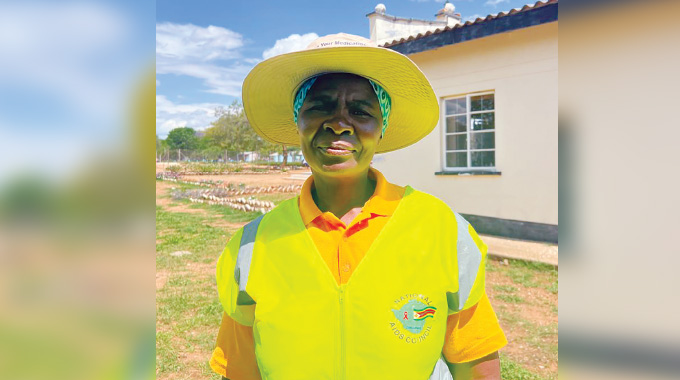
Sukulwenkosi Dube-Matutu, [email protected]
WHEN Hleziphi Ndebele speaks to newly diagnosed HIV patients in Kwite Village, she has one message: a positive result is not the end — it is the beginning of a new chapter.
For many, however, that chapter starts in darkness.
“Sometimes after testing positive for HIV, some people tend to think it’s the end of the world. Without the necessary support, some people lose it and want to give up on life,” said Ndebele, who leads a Community ART Refill Group (CARG) in Mangwe District.
In remote communities where stigma still lingers, silence can be deadly. Some patients sink into depression. Others default on treatment. In extreme cases, some contemplate or even take their own lives.
That is where support structures are stepping in — offering not just medication access, but hope, counselling and a sense of belonging.
Community ART Refill Groups were introduced to make it easier for people living with HIV to access antiretroviral therapy (ART) while also building peer support networks. But beyond convenience, they have become lifelines.
Ndebele says support structures help people accept their status and learn how to live positively and responsibly.
“If the mind doesn’t adapt to this new lifestyle, then it becomes difficult for the body to adapt. In our support structures, we identify people who are going through emotional distress and offer them counselling,” she said.
Ndebele said extreme cases are referred to health experts.
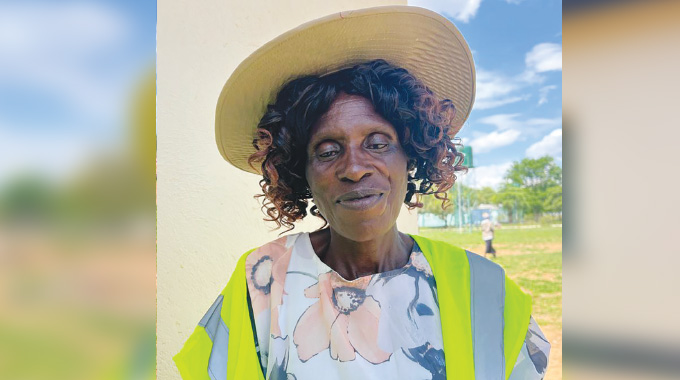
For 52-year-old Sibongile Ncube, who leads a CARG in Mhlotshana Village, the groups have grown into something deeper than a health mechanism — they are family.
“I’m working with five groups of 10 people and we have become like a small family. Spending time together gives us an opportunity to share the challenges we face such as stigma, emotional distress and financial challenges. We get a safe space where we can distress and offload,” she said.
Ncube says unity has changed how communities view them.
“When other people see us united and offering each other support, they show us respect. They come to realise that we can lead normal lives just like HIV-negative people,” she said.
“Our support structures help us gain confidence and in return other people develop confidence in us.”
Before such platforms were introduced, many patients suffered in isolation — making them easy targets for discrimination and internalised shame.
Today, Ncube says, more people are openly declaring their status, unafraid and empowered to advocate for their rights. For Praise Nkomo, a member of a CARG group in Mangwe District, acceptance did not come easily.
“When I found out that I was HIV-positive, I felt that my world had come to an end. What made it worse is that I had always lived a responsible life and my partner, who was working in South Africa, infected me. He knew that he was positive but didn’t tell me,” she said.
The betrayal cut deep. So did the fear.
“At some point I felt that there was no need for me to live anymore as I would die soon,” she said.
More than 10 years later, Nkomo is healthy, strong and living positively.
“Being part of a CARG group helped me realise that I wasn’t alone and that life could go on after all. I met people who had been living positive for many years. Learning about their resilience helped me to forge ahead,” she said.
Beyond emotional support, the groups have introduced income-generating projects such as poultry and horticulture. These initiatives help members sustain their families and access balanced diets — critical for those on ART.
National Aids Council (Nac) Matabeleland South provincial manager Mgcini Sibanda said acceptance is a cornerstone in the fight against HIV and Aids.
“When one tests positive, it’s important for them to accept their status. After that, there is need for that person to be placed on ART treatment and they have to take their medication religiously,” he said.
“Furthermore, they need to live responsibly in order to protect themselves and their loved ones.”
He said Nac, working with partners, has rolled out various support mechanisms even in remote communities to ensure no one is left behind.
“Being part of support structures has helped to influence the mindset that people have about HIV for better outcomes,” said Sibanda. — @DubeMatutu


 Bongani Ndlovu