Online Reporter
John Masuku
President Mnangagwa will soon commission the refurbished and modernised Montrose Studios in Bulawayo which will house eight state-of-the-art radio and two television studios.
This, according to Information, Publicity and Broadcasting Services Minister Dr Jenfan Muswere is linked to hubs and content centres across the country, supporting both education and the promotion of heritage-based broadcasting.
To put such landmark expansion into historical context it is important to trace the development of radio and television broadcasting in Bulawayo and Matabeleland provinces since colonial rule in the 1950-60s. This was before the current Montrose Studios were opened in 1975.
Then, the facility housed the new RBC African Service’s Ndebele station popularly known as Radio Mthwakazi, Radio Matopo in addition to television services which included Television Matabeleland programming.
RBC had just taken over the privately owned Rhodesia Television (RTV) established in November 1960 by the South African Argus Newspapers group which also once owned Zimbabwe Newspapers (Private Limited).
Radio programmes for the General Service in Salisbury were also packaged there while there was separate live television transmission until post independence restructuring.
The Bulawayo newsroom supplied the main newsroom at Pockets Hill, Highlands, with radio and television news items from the region. However, major stories were telexed from Salisbury while film footage was sent by overnight courier.
Radio Matopo’s counterparts were Radio Jacaranda in Salisbury and Radio Manica in Umtali (Mutare) all established under the RBC Commercial Service to boost the corporation’s revenues before television was brought into its fold. Television Matabeleland’s counterpart was Television Mashonaland in the capital, both services providing TV programmes for black viewers over the weekend.
In Bulawayo, some of the TV personalities included Peter Rollason, Dave Emberton, James Robinson, Allan Ridell, Alport Mhlanga and Eunice Pfende among many others. Moolji Parshotan was a well-known Montrose TV producer. Some radio personalities like Luke Mnkandla, Thandiwe and Musi Khumalo also hosted some TV shows.
For a long time Rollason, a pharmacist, continued to produce health related programmes on radio and TV while Margaret Kriel packaged the Bulawayo edition of Morning Mirror for Radio One, the former General Service.
Radio broadcasting for African listeners in the southern region started with pre-recorded Ndebele interviews, discussions and musicals produced at a house turned studio in Luveve.
The programmes, together with Shona ones recorded in Salisbury were sent to the Central Africa Broadcasting Services(CABS) studios in Lusaka, Zambia for broadcasting.
There they were aired alongside other programmes in Bemba, Nyanja, Tonga, Lubale and Lozi among others and listened to on Short Wave via saucepan radio sets introduced during the Second World War. The General service for English broadcasts located in Salisbury was not part of the Lusaka arrangement.
Southern Rhodesian announcers on the African Service took turns in being seconded to the Lusaka studios to oversee the live transmission of programmes alongside colleagues from Northern Rhodesia (Zambia) and Nyasaland (Malawi).
Alick Nkhata from Zambia who was a well travelled versatile broadcaster, musician and socialite was admired by many black and white broadcasters and listeners of the time.
Public broadcasting in this country was historically controlled by CABS, Federal Broadcasting Corporation, Southern Rhodesia Broadcasting Corporation, Rhodesia Broadcasting Corporation, Zimbabwe Rhodesia Broadcasting Corporation before the Zimbabwe Broadcasting Corporation after Independence.
Before the Luveve Studios were secured, some of the programmes like the Radio Homecraft Club (RHC) which imparted various skills to women were recorded at the nearby Hove family residence since Maroma Bapelile Hove (nee Nkomo) wife to former journalist, author and legislator Masotsha Mike Hove was the RHC chairperson. Their elder daughter, former Senator Sekai Holland, vividly remembers being ordered out of their bedroom to facilitate RHC recordings when the studio van was around.
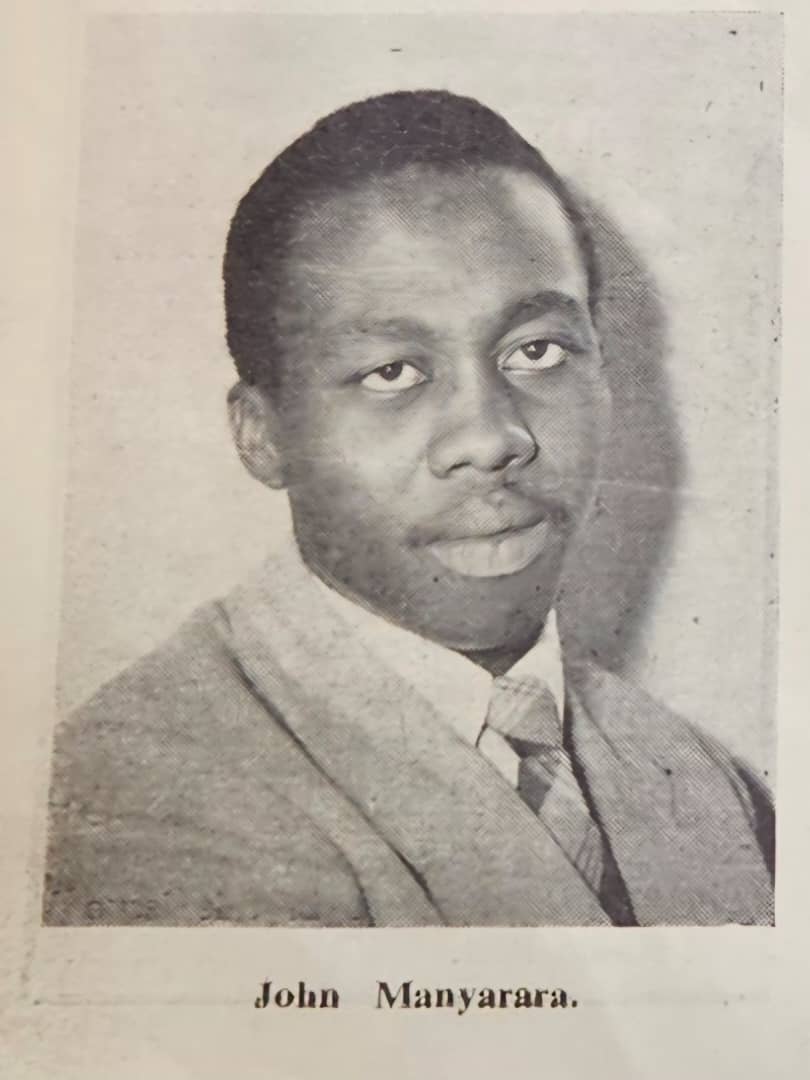
John Manyarara, one of the radio broadcasting pioneers who later became a lawyer and judge in Zimbabwe and Namibia, writing in a late 1950s Radio Post magazine once described what the broadcasting set-up looked like in the early years:
“A green quarter-ton Chev Vanette, a long white caravan with the words ‘African Broadcasting’ written across it in big red letters and a range of noisy cumbersome equipment-these just made up the sum of the outfit that covered Africa Broadcasting in Southern Rhodesia as late as 1952.”
The van, with a complete staff of two was driven around in Salisbury, Bulawayo and other places in order to record interviews, music and stories.
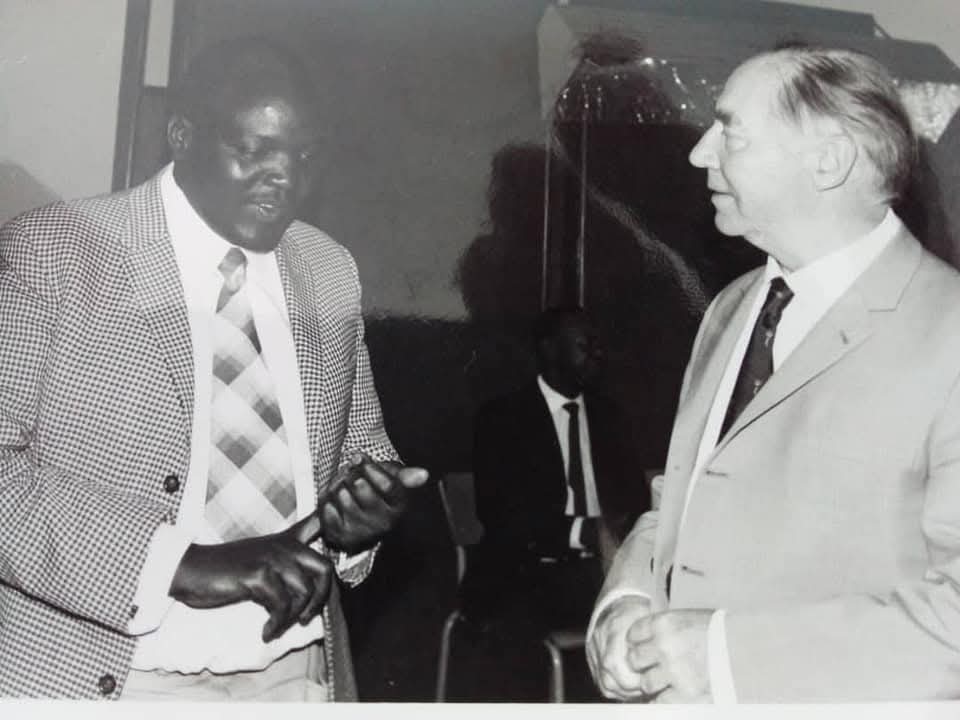
Then, Bernard Gilbert was the broadcasting liaison officer /producer and incidental engineer while Cyprian Thomas Razemba was announcer/commentator/clerk and driver. Gilbert rose to the rank of RBC deputy director-general in charge of programmes and creative staff in the 1970s.
From the Hove family, another future broadcaster in Temba Hove of Radio Three was nurtured while Sekai, for her Masters degree studies later in Australia wrote a thesis about the Radio Homecraft Club and its women empowerment role.
Programming from Luveve studios later expanded to include popular quiz shows,plays, book reading, and traditional music as well as on going children’s show Abancane Qha!, ‘KoMthwakazi’ and ‘ELuveve kule iviki’ featured Bulawayo and Matabeleland news and events.
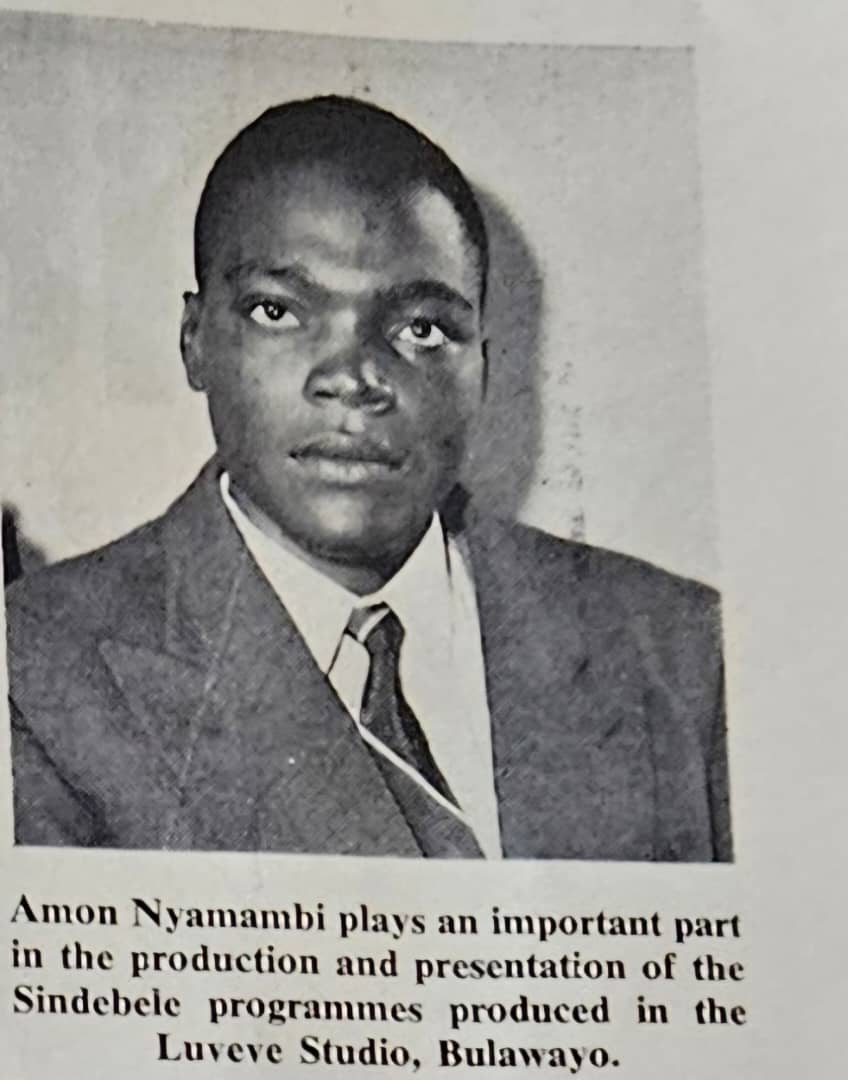
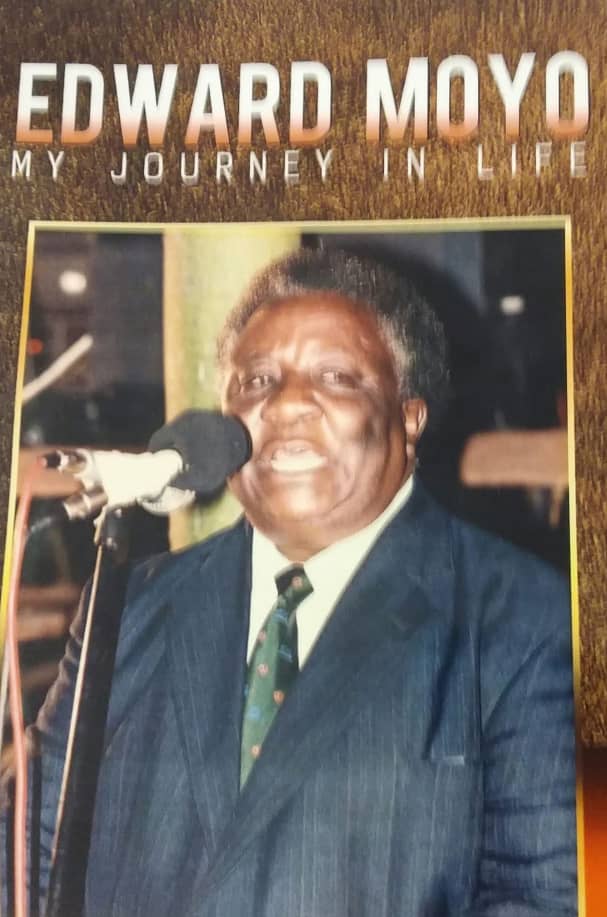
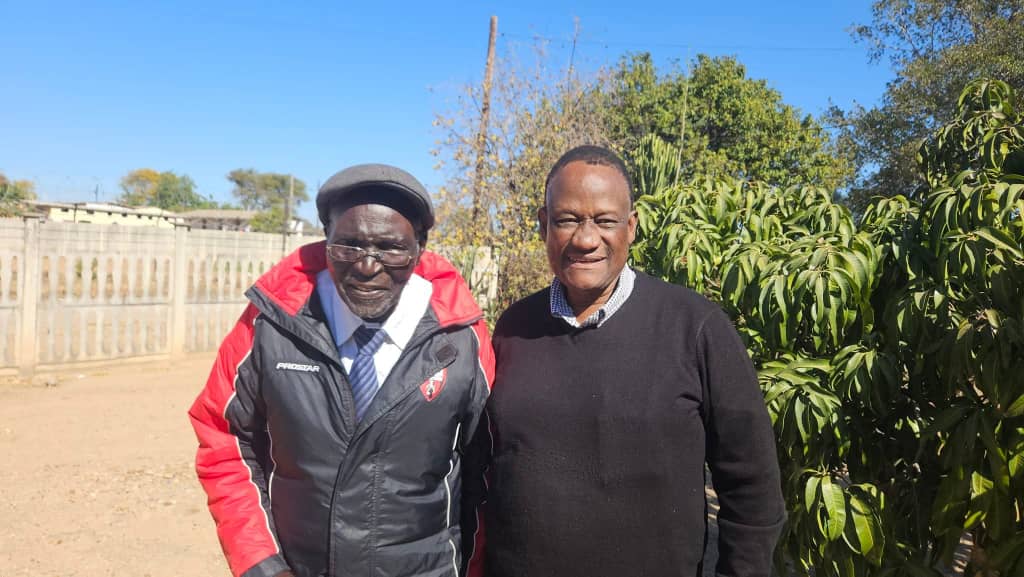
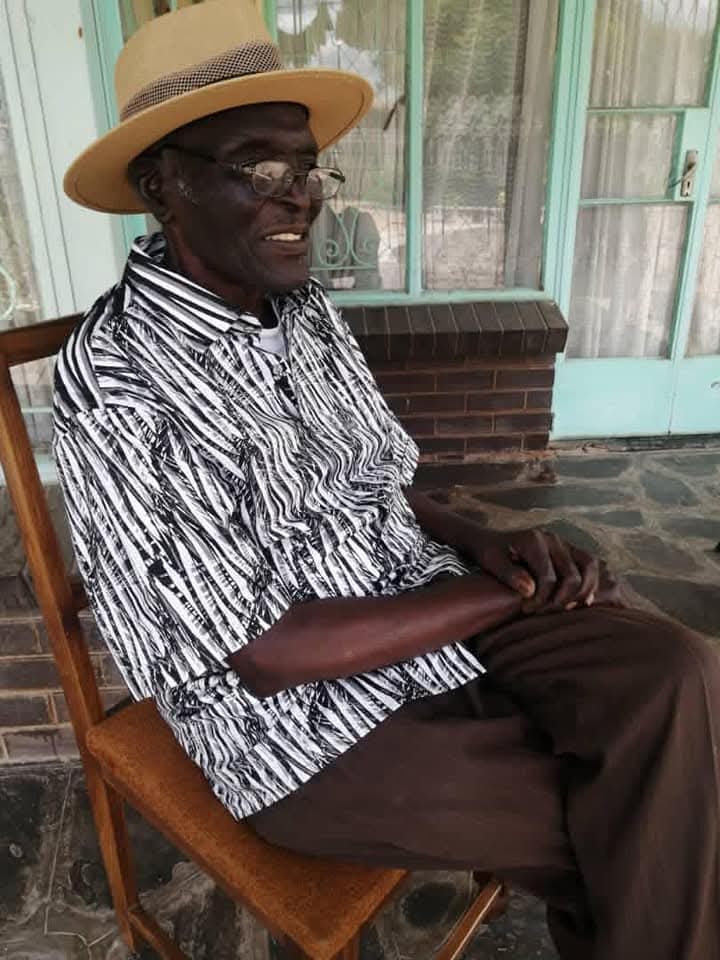
Amon Nyamambi was recruited in Salisbury in 1956 to take charge of Ndebele programme production at Luveve Studios. Other yesteryear announcers who worked at Luveve studios included Benjamin Chipere of the “vaChipere muBhuruwayo” fame, Cyrus Ntini, Edward Moyo, Lazarus Mpofu who wrote most plays and Tarcisius George Silundika whose stay was short-lived because of his political activism.
Moyo later became ZBC’s Director General after retiring from Unesco. Upon leaving broadcasting, Silundika became a top executive of the National Democratic Party (NDP) and Zimbabwe African People’s union (Zapu) under former Vice President Dr Joshua Nkomo. He was the first Minister of Posts and Telecommunications in Prime Minister Robert Mugabe’s first cabinet.
Meanwhile, Abbie Dube, her husband and others like Mavis Moyo and Gogo Silamba were involved in different programmes on a part time basis when they were still school teachers or community workers.
Continues on www.chronicle.co.zw
Recording studios later moved from Luveve to 10th Avenue, now Alfred Nikita Mangena Avenue.
There, a new crop of popular broadcasters were recruited including, Japhet Masuku, Christopher Sibanda, Joseph Masuku and Ferdinand Sibanda.
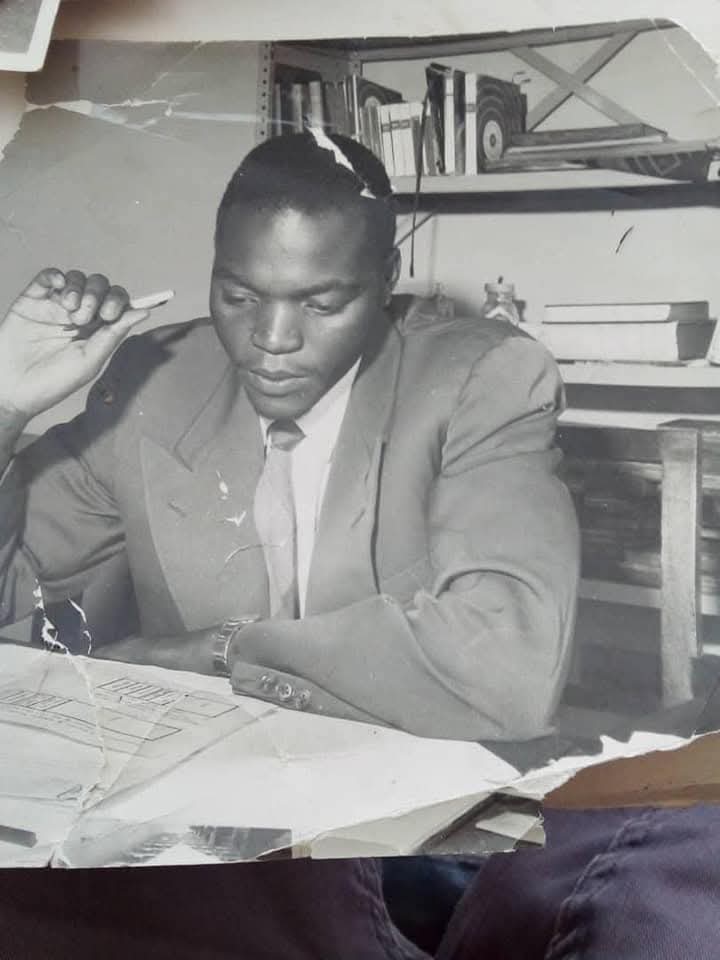
Nyamambi was always concerned about the little time given to Ndebele language programmes only between 3PM and 7PM once a week on Thursdays.
When his turn to go to Lusaka for his continuity and news reading stint came, his worries were buttressed by listeners who similarly complained consistently through Radio Post magazine.
They were disgruntled about limited reach and lack of fluency among some broadcasters who read Ndebele news and live announcements in Lusaka.
All this led to Nyamambi’s exerted, tireless efforts towards more Ndebele programmes or the opening of a new service. ‘Maqhulayibambe’ as he was known on the airwaves lobbied local chiefs like Khayisa Ndiweni of Ntabazinduna Manxeleni, Simon Sigola of Siphezini and Maduna Mafu of Filabusi to push for the establishment of a Ndebele regional or community in Matabeleland through then Information Minister Pieter van der Byl.
The request was finally accepted.
In September 1974, Nyamambi as a Senior Programme Producer was thus transferred from the Harare now Mbare Studios to Bulawayo to spearhead the opening of Radio Mthwakazi on New Year’s Day in 1975. It started on the new frequency modulation (FM) band while the Harare Service which was national remained on Medium and Short Wave frequencies.
He moved with Harry Nleya, Leonard Masiye, Maplot Jubane, Luke Mnkandla and Stanley Bhebhe to prepare for the grand opening. In Bulawayo, new voices were added including Orna Maphosa, Thandiwe Khumalo, Vumindaba Moyo, Principal Sibanda, Bothwell Bethule, Cephas Dlamini, Inglam Nyathi, Musi Khumalo and Nonceba Mnkandla. Part time continuity presenters included Ndumiso Gumede, Barbara Makhalisa Nkala, Mthandazo Ndema Ngwenya, Alport Mhlanga and others.
The daily soap Sakhelene Zinini written by Harry Nleya and produced by Amon Nyamambi was Radio Mthwakazi’s flagship programme along Zinhle Indaba Ezinhle (Poetry Corner) and many other local content programmes which resonated with the southern region’s audience tastes.
Mbube and Ngquzu groups like Crown Figure and Thula Sizwe and several women’s clubs, school, church choirs and story tellers were recorded in and around Bulawayo from the 1950s. Such material was later transferred to the National Archives.
Radio Mthwakazi and regional televisions were shut down soon after the 1980 post-liberation war elections and Nyamambi was transferred back to Mbare Studios as Assistant Head of the former African Service.
Prime Minister Robert Mugabe later invited the British Broadcasting Corporation (BBC) to study and make recommendations about the future of broadcasting in Zimbabwe. Radio Services were expanded from only two.
This led to the establishment of Radio One (Spot FM, Classic 263)-the former General Service, Radio Two (Radio Zimbabwe) – the former African Service, Radio Three (Power FM) — a new youth oriented station and Radio Four (National FM)- an educational development channel and ZBC-TV all being national channels headquartered in Harare.
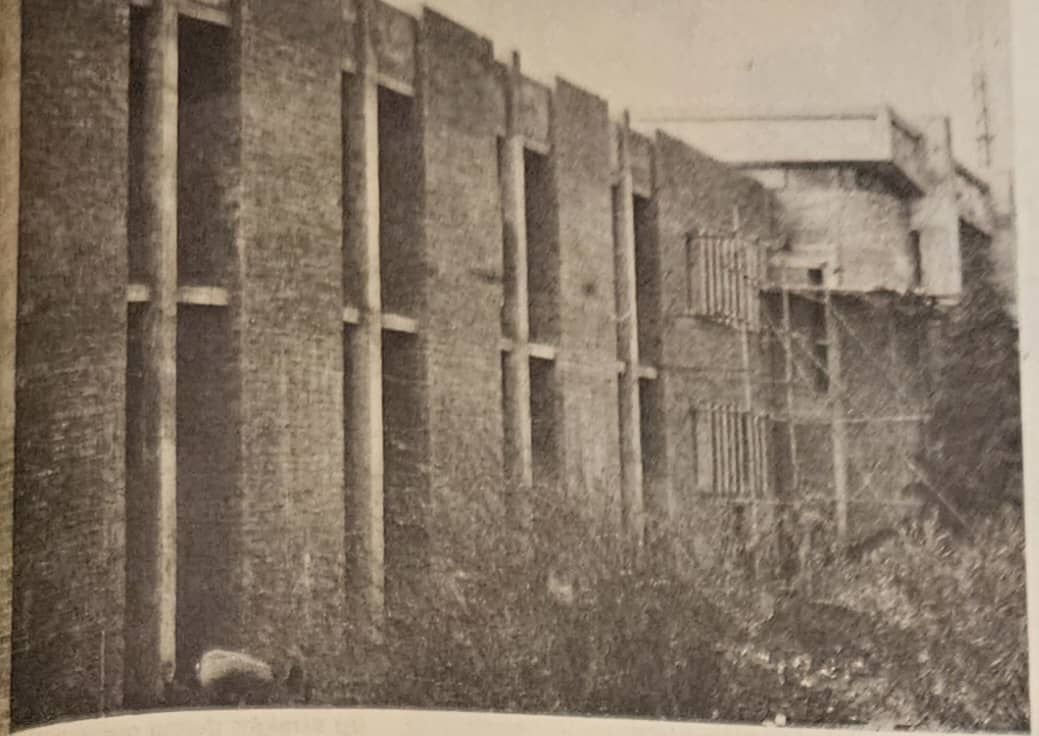
Montrose Studios became a production news gathering hub and administrative centre but also relayed some live programmes like Ukubingelelana, Inhlupho zanamuhla and others.
Its major annual task is the coordination of coverage of the Zimbabwe International Trade Fair (ZITF) by all ZBC radio and TV stations.
With history seemingly repeating itself, Montrose Studios now houses the mainly Ndebele language regional radio Khulumani FM structured along the lines of former Radio Mthwakazi.
*John Masuku, a Media Consultant/Radio Trainer is former ZBC Controller Montrose Studio (1998-2002).