Reyhana Masters
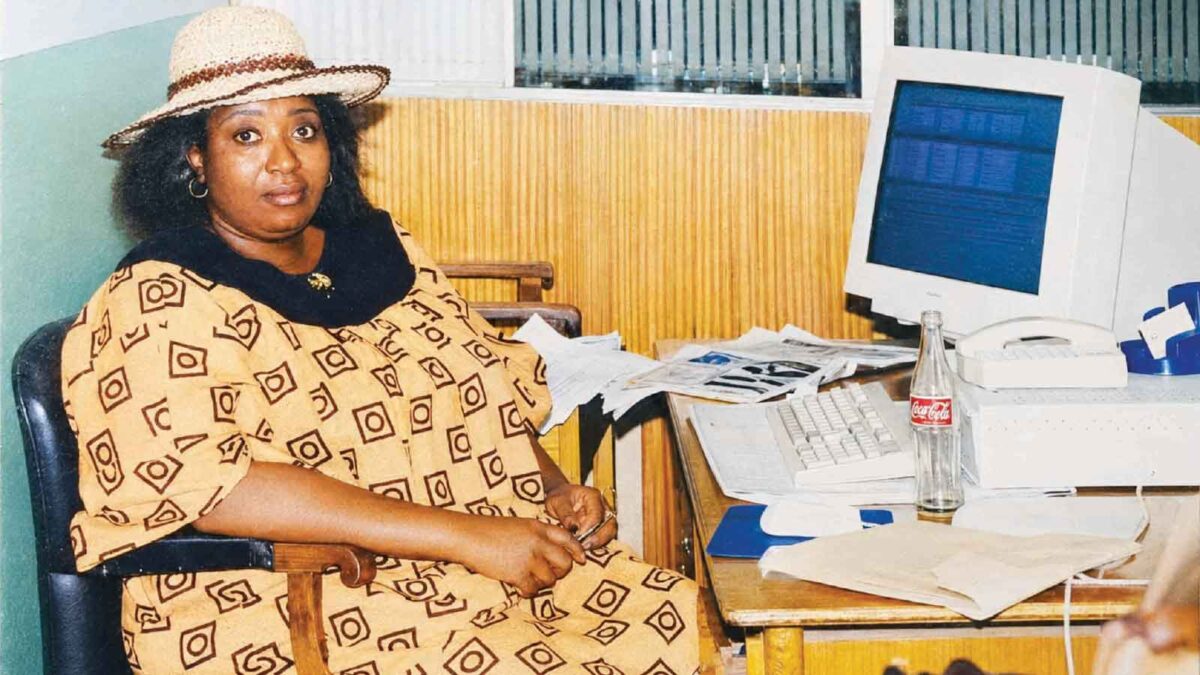
IF there is one person whose career embodies the changing face of Zimbabwe’s media sector, it is Ropafadzo Mapimhidze.
Big Ropa, as she was affectionately known, was sister, mentor, colleague, friend and, in many circles, family.
She died on November 6 this year and was buried at Sahwira Glenforest Memorial Park.
She was 65.
Ropa celebrated with you, stood beside you through grief and difficult times, while still making room for others to find their feet.
But beneath that warmth was a formidable journalist and a pioneer whose contribution to Zimbabwean journalism deserves recognition beyond the affection with which she was remembered.
Her career intersected with a defining period in the country’s history.
As Zimbabwe moved towards independence and beyond, a predominantly white media industry had to make room for journalists of colour.
Yet for women entering these newsrooms, breaking racial barriers was only part of the struggle.
Male privilege was deeply entrenched, so the newsroom was not always a safe space for young women, particularly interns and cadet reporters navigating sexual harassment and unequal power relations.
Ropafadzo understood these dynamics.
She had to find her own footing in this environment while looking out for others.
She supported younger women, helped them navigate difficult newsroom situations and created a measure of safety and solidarity without compromising her professional standing or her ability to work alongside male reporters and editors.
She did not need to announce herself as a champion of women.
Much of her influence was exercised quietly, through the everyday decisions she made and the people she helped along the way.
Her pioneering journey began at Moto, a publication with a history of challenging colonial authority and giving expression to African experiences. She subsequently joined the Department of Information before becoming one of the four journalists who helped establish Kwayedza in 1985.
The Shona publication was an important part of a changing media landscape, taking journalism into communities and making information accessible in a language people could call their own.
Ropa helped build it into a publication that would reach an impressive readership.
At The Herald, she rose to become features editor and the newspaper’s first woman assistant editor.
She later joined News Day at its inception, serving as features editor and chief sub-editor. She was also a founding member of the Zimbabwe Union of Journalists; and the Federation of African Media Women Zimbabwe, now Gender and Media Connect.
These were not simply career milestones.
They were contributions to building institutions and expanding the possibilities for women in journalism.
What made Ropa particularly distinctive, however, was her understanding of the stories journalism chose to value.
What were often dismissed as soft beats became her strength.
She understood that behind health, family and social issues were questions of power, inequality, access and human dignity.
Her people-centred reporting brought these realities into public view, long before storytelling became fashionable in communications and advocacy circles.
That commitment became even more personal through her health journalism.
Having lived with and navigated early stage breast cancer, diabetes and hypertension, she turned her own experiences into a means of holding the healthcare system and medical insurance industry to account.
Her reporting exposed the precarious position of older Zimbabweans who, after decades of contributing to medical insurance, can find themselves without meaningful cover when they retire or miss a monthly payment.
Her Masvingo Mirror article “Silent Twins” brought into sharp focus the financial burden of managing hypertension and diabetes in retirement, and the inadequacy of healthcare safety nets for pensioners.
She was not simply telling her own story. She was giving voice to thousands confronting similar circumstances.
Even as her health deteriorated, she remained committed to journalism.
Ray Choto, supervisory managing editor at Voice of America’s Studio 7, recalls how colleagues adapted newsroom processes so that Ropa’s health reports continued reaching audiences, even when she could no longer voice them herself.
Her scripts were edited and voiced by other women, while she retained the credit and payment for her work.
It was a practical expression of solidarity and a testament to her determination.
Perhaps Viola Zimunya’s recollection captures something of the ground Ropa helped break.
When they shared The Herald’s night desk, they were the only two women in the sub-editing section, at a time when women were still largely concentrated in secretarial and reception roles, with far fewer making their way into journalism, sub-editing and editorial positions.
It was a demanding space to occupy, but, as Viola recalls, “Ropa’s big heart and humour” created a sense of camaraderie that carried them through and “it’s what I will miss most about Ropa”.
Ropa was feisty, strong and yet soft.
She never seemed to need the recognition that her pioneering work warranted.
She simply kept showing up, doing the work and making it easier for others to follow. Big Ropa was much loved.
But Ropafadzo Mapimhidze was also instrumental in shaping Zimbabwe’s media history. Her legacy lives not only in the positions she held and stories she told, but in the women she supported, the institutions she helped build and the lives her journalism touched.